Sonatrach and Bosch Explore Electrolyser Manufacturing in Algeria
Sonatrach and Bosch signed an MoU in Berlin to explore green hydrogen production and electrolyser manufacturing in Algeria, marking a key step in EU–North Africa energy transition cooperation.
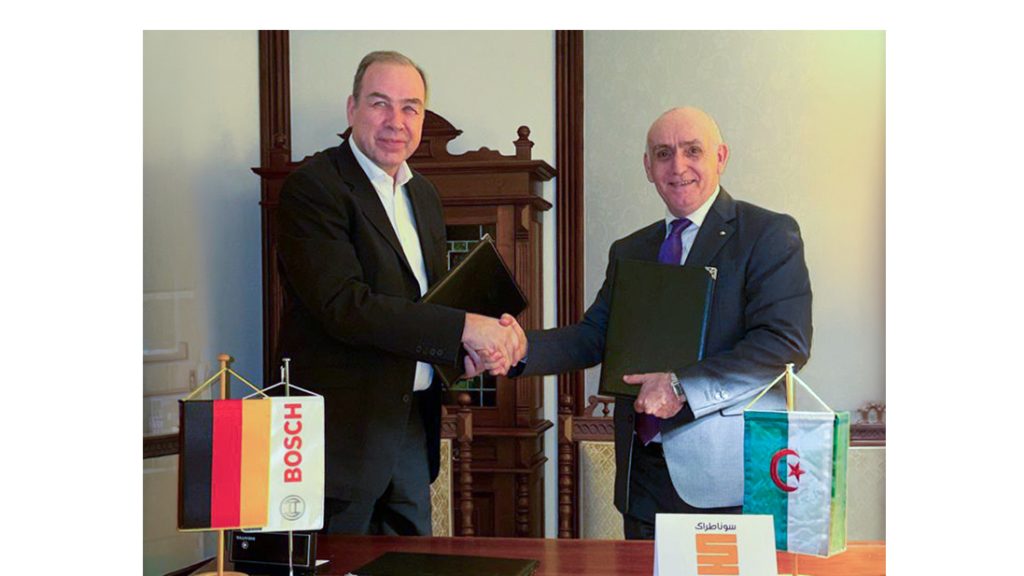
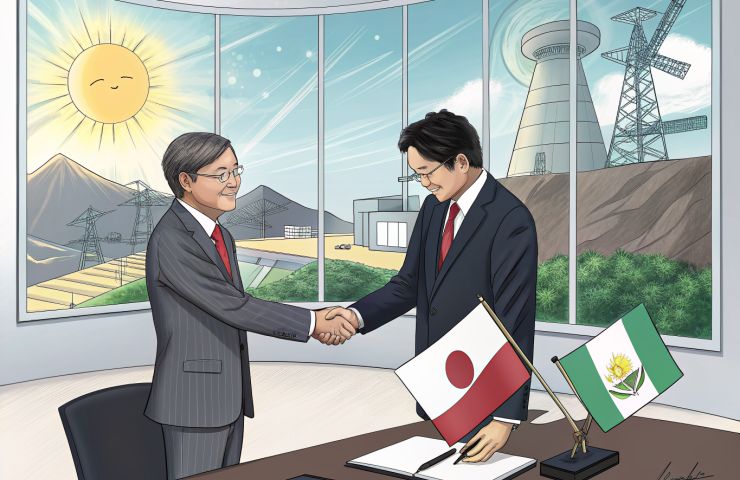
This month in Berlin, Sonatrach and Bosch shook hands on a deal to dive into some exciting green hydrogen production projects, along with local electrolyser manufacturing right in Algeria. This agreement sets the stage for a really organized exchange of engineering know-how, feasibility studies, and some great capacity-building initiatives. We're talking about everything from solar energy transforming into hydrogen all the way to designing and operating hydrogen infrastructure. It’s a significant move for Algeria as it transitions from relying solely on gas exports to embracing a low-carbon future, hitting right in line with the EU’s energy transition goals and Germany’s efforts to secure sustainable energy imports.
This partnership isn’t happening in a vacuum, either. It builds on some recent hydrogen collaborations Sonatrach has had with European companies like Eni, VNG, and Cepsa. Plus, it fits into the bigger picture of the SoutH2 Corridor initiative. Analysts are buzzing about this memorandum of understanding (MoU) being part of a broader trend in hydrogen diplomacy across North Africa. With the region's sunny deserts and well-established pipeline networks, Algeria is well on its way to becoming a strategic hub for green hydrogen destined for Europe.
Planting the Seeds of Local Manufacturing
At the core of this deal is a fresh look at how Algeria can start putting together PEM electrolysis technology right at home. Bosch is bringing in its Hybrion PEM stacks and clever module designs, while Sonatrach is ready to provide access to potential plant locations and the expertise in integration. Here’s a peek at some key areas they’ll be focusing on:
When it comes to practical aspects, they’re going to need to consider things like how to manage heat in those hot climates, logistics for remote sites, and securing water via desalination or treating brackish sources. These factors will play a big role in both module design and site selection.
PEM Electrolysis: From Sunlight to Hydrogen
So, how does all this electrolysis magic work? At its simplest level, electrolysis takes purified water and splits it into hydrogen and oxygen using electricity. Bosch’s Hybrion stacks operate pretty smoothly:
This modularity allows for flexible hydrogen production and makes it easier to integrate with different renewable power sources. Once the hydrogen is produced, it can be compressed for storage, pushed into pipelines, or even transformed on-site into derivatives like green ammonia for export.
Aligning Strategies: Algeria, Germany, and the EU
For Sonatrach, this agreement is a big move toward putting its national hydrogen roadmap into action, which aims for pilot plants leading to gigawatt-scale exports by midpoint of the century. Algeria’s looking to take advantage of its existing gas export routes, its closeness to southern Europe, and the abundant solar energy resources to tap into the growing demand for clean hydrogen and its byproducts.
Roadblocks and Risk Mitigation
But it’s not all smooth sailing. There are challenges that could slow things down:
Building on Existing Infrastructure
Algeria's energy story goes way back, founded on decades of natural gas exports and being a pioneer in LNG shipments. Since the 1960s, Sonatrach has been at the helm, operating the Arzew liquefaction plant and developing several trans-Mediterranean pipelines to Spain and Italy. This fresh MoU leverages those same corridors and the national grid to expedite hydrogen export feasibility. Earlier agreements with Eni at Bir Rebaa Nord, along with partnerships with VNG and various European consortia regarding the SoutH2 pipeline, show Sonatrach's methodical approach: starting with pilot projects, moving to feasibility studies, and now zooming in on local electrolyser manufacturing. Coupled with Algeria’s abundant solar potential, this existing infrastructure sets a promising stage for scaling clean energy exports.
Financing and Offtake Models
Getting funding and securing offtake agreements is critical for unlocking these large-scale projects. In many North African hydrogen initiatives, the initial plants often rely on a mix of grants, concessional loans, and private equity to mitigate capital risks. The Sonatrach–Bosch partnership might tap into EU funding through the European Hydrogen Bank, alongside support from German agencies. Long-term offtake deals with European utilities or industry players can offer revenue stability, while adhering to the EU’s Renewable Hydrogen certification can help build investor trust. Adding revenue streams from green ammonia or synthetic fuels could change the game, enhancing project viability and paving the way toward carbon neutrality.
Broader Impact on Decarbonization
Green hydrogen could replace fossil-based hydrogen in making ammonia, refining processes, and steel production, plus it serves as a zero-emission fuel for heavy transport. For Algeria, ramping up electrolysis also opens the door to hydrogen storage options, which can capture excess solar energy and keep the grid stable. Economically, local manufacturing of electrolysers and supporting gear could lead to skilled job creation in fields like engineering, production, and maintenance. From an environmental standpoint, pairing renewable energy with hydrogen export routes can significantly reduce lifecycle CO₂ emissions, delivering cleaner energy to Europe and propelling global industrial decarbonization efforts.
Looking Ahead
While this MoU doesn’t lock either party into definite investments, it creates a platform for joint workshops, technical assessments, and detailed feasibility studies. In the next steps, they’ll likely focus on picking pilot sites, securing offtake agreements with European buyers, and establishing local content goals. If all goes to plan, this collaboration could be the catalyst needed to launch Algeria’s first large-scale green hydrogen production plant and set the stage for more electrolysis hubs throughout North Africa.
About the Companies
Sonatrach is Algeria’s powerhouse in oil and gas, looking after everything from exploration to production and exporting. They're also branching out into low-carbon solutions like blue and green hydrogen. Bosch, on the other hand, is a leading German engineering firm expanding its hydrogen division rapidly, focusing on developing PEM electrolysis stacks, fuel cells, and smart modules, all backed by a solid investment strategy to scale up production.