Green Hydrogen Production: Sonatrach and VNG AG Launch Algeria–Europe Partnership
Sonatrach and VNG AG have signed a green hydrogen production and methane monitoring MoU, outlining feasibility studies for electrolysis, pilot projects and leak detection across Algerian energy infrastructure.
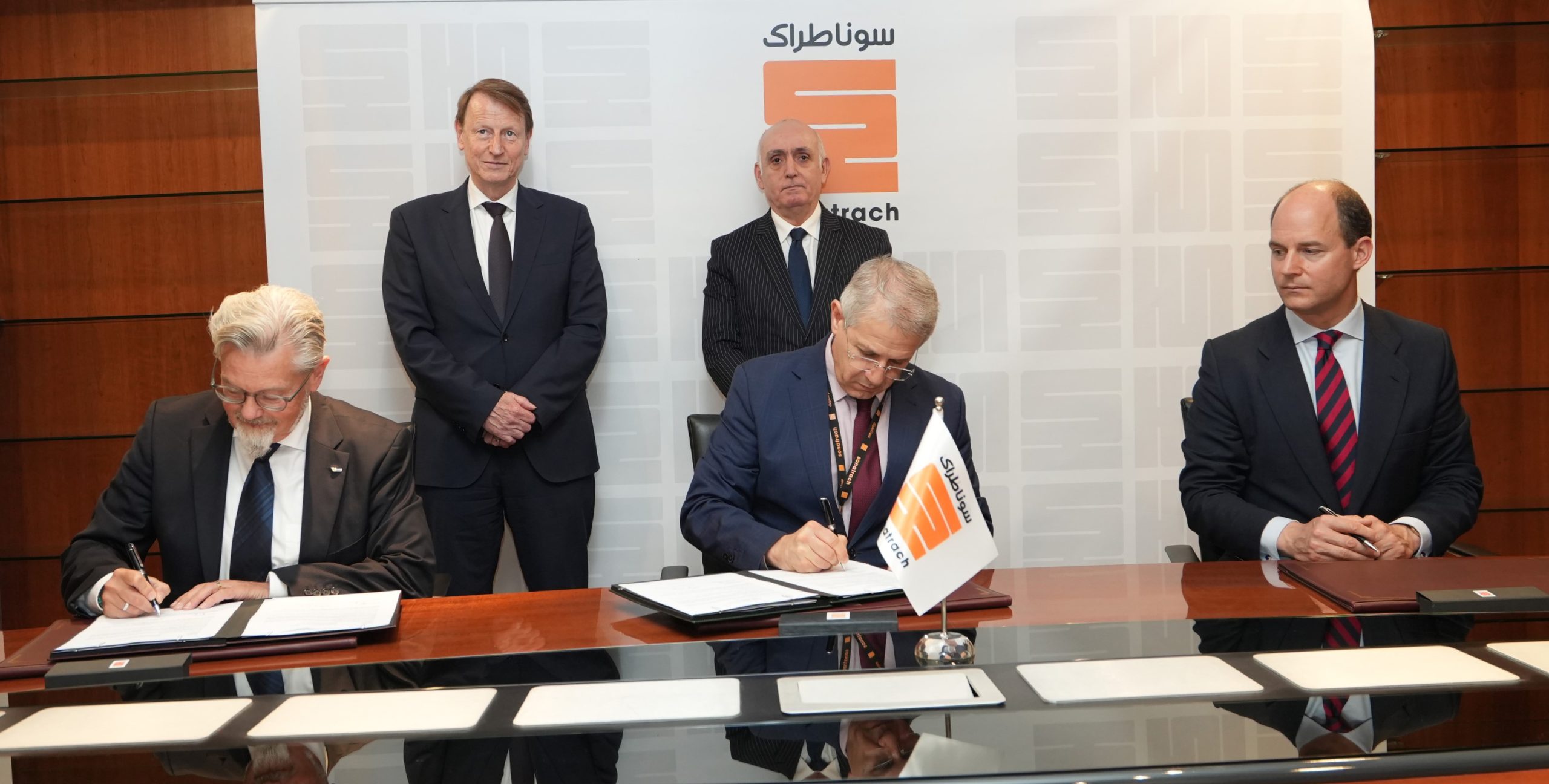
Forget the traditional gas deals between North Africa and Europe; things are getting a fresh twist. Recently, Sonatrach and VNG AG teamed up to dive into the realm of green hydrogen production, aiming to shake things up and tackle methane emissions along the way.
What’s Happening?
In the latest buzz surrounding clean hydrogen news, Algeria’s state oil and gas giant Sonatrach has signed a Memorandum of Understanding with Leipzig-based VNG AG. This agreement sets the stage for a collaborative effort in green hydrogen production and monitoring methane emissions. They're taking a phased approach, starting with feasibility studies to size up electrolysis plants that will harness Algeria’s abundant solar and wind energy. They'll also look into the necessary grid upgrades and desalination needs while launching pilot projects using Sonatrach’s existing coastal facilities. On the methane front, they plan to deploy all sorts of tools—from drones and optical imaging cameras to fixed sensors and satellites—to track down and mend any emissions issues lurking in the upstream and midstream areas. As for specifics on production volumes or investments? Well, neither party has shared those details yet. Consider this MoU more of a roadmap than a financial commitment.
Sonatrach, established back in 1963, employs over 200,000 people across more than 150 subsidiaries, and plays a significant role in exploring, producing, transporting, refining, and marketing hydrocarbons. In 2025, the company rolled out a climate strategy that aims to reduce its carbon footprint, boost local content, and enhance energy security. VNG AG, on the other hand, has built its reputation in Europe around gas supply, energy trading, and infrastructure and is on the lookout for green hydrogen supply chains to help meet Germany’s and the EU’s decarbonization goals.
Why It Matters
The worlds of energy security and decarbonization are now tightly intertwined for policymakers and energy buyers alike. For Algeria, this partnership signals a major pivot away from its heavy reliance on fluctuating LNG and pipeline exports, which have long been vital to its economy. Instead, it’s steering toward more sustainable, energy-linked revenue streams. This move connects nicely with the EU’s hydrogen strategies like REPowerEU, aimed at ramping up green hydrogen imports, and fits perfectly with the Global Methane Pledge, which takes a hard line against high methane emissions. For VNG AG and other European utilities, deepening these supply ties in North Africa means diversifying their energy sources beyond homegrown renewable projects that often face issues like space limitations and grid capacity challenges. Importing green hydrogen or its derivatives—like ammonia—could be crucial for Germany’s industrial decarbonization efforts and fuel cell applications across transport and energy sectors.
Digging into the Tech
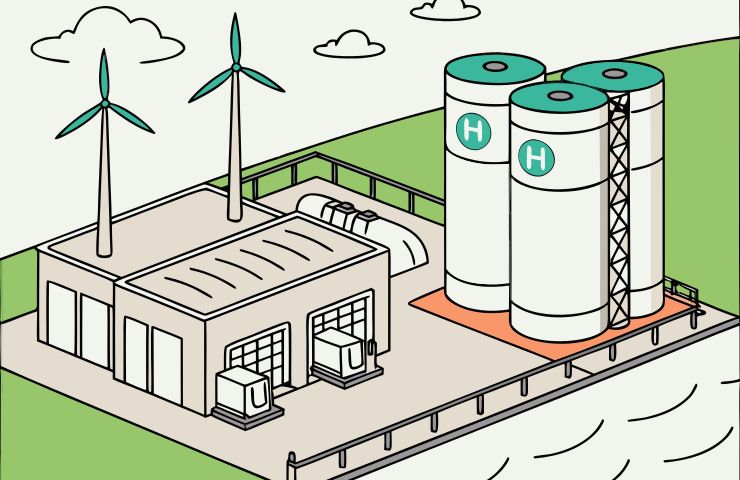
When it comes to hydrogen production methods, electrolysis is really coming into its own due to its potential for low lifecycle emissions and scalability. The process behind green hydrogen production typically utilizes either proton exchange membrane (PEM) or alkaline electrolyzers, which split water into hydrogen and oxygen powered by renewable energy. With solar irradiation levels soaring over 2,500 kWh/m² annually in Algeria’s Sahara, it's a prime spot for setting up big photovoltaic parks. Wind energy could also boost solar production in coastal areas. The electricity generated goes straight into electrolysers, creating hydrogen that can be stored, transported through repurposed gas pipelines, liquefied for shipping, or even transformed into ammonia on site. Ammonia, with its higher density, makes for easier transportation via existing tankers.
Now, regarding methane, leaks from valves, flanges, and compressor seals can release significant amounts of this potent greenhouse gas into the atmosphere. The MoU proposes a comprehensive detection approach: handheld detectors for field workers, fixed-point sensors along pipelines, aerial surveys using infrared drones, and satellite data analysis to pinpoint leakage hotspots. Repair strategies may involve retrofitting older equipment, replacing high-bleed pneumatic systems, and bringing in compressed air or electric actuators to eliminate unnecessary emissions. Successfully showing reduced methane levels can be key for meeting EU import standards and achieving green certification under new hydrogen origin guarantee systems.
Strategic Stakes
Let’s be real: MoUs are relatively low-cost chatter. The real work will revolve around crafting solid offtake agreements, securing project funding, and weaving through the maze of national and EU regulations. Fortunately, Algeria’s existing hydrogen infrastructure—think decades of pipelines linking Europe with Italy and Spain and LNG terminals in Arzew and Skikda—provides a head start if it can be retrofitted. Upgrading compressor stations to handle pure hydrogen or blends of hydrogen can save years compared to starting from scratch with new builds. But ports will need new jetties and storage tanks for handling liquid hydrogen or ammonia.
For VNG AG, locking down a piece of future supply helps cushion against rising expenses back home, where grid congestion and land-use issues can slow down renewable buildups. There’s a growing push in Europe for traceable low-carbon molecules, certified through established schemes. Partnering directly with a heavyweight like Sonatrach—who holds political sway and local expertise—lowers counterparty risks and gives VNG leverage in shaping projects to meet EU standards.
The Maverick Take
All things considered, this feels more like a strategic gesture than a fully-fledged project ready to roll. So far, there are no numbers thrown around—no megawatts of electrolyser power, no tonnes of hydrogen promised, no budget set. If you’re banking on a shiny new cross-Mediterranean pipeline, you might want to rethink that. Funding will likely rely on blended models involving development banks, export credit agencies, private equity, or even a hydrogen fund willing to wait for returns. Algeria is going to have to tighten up its regulations for water use in electrolysis—after all, desalination is a major energy consumer—and attract foreign investors by ensuring stable returns amid currency controls and local content rules. And while methane monitoring sounds great, actually enforcing it can sometimes fall flat without legal backing. Unless Europe starts applying penalties or premiums based on methane emission levels, any fixes might just be for show.
Looking Ahead
Over the next 6 to 12 months, we should get some clarity on the outcomes from the feasibility studies and maybe even see some site selections for those pilot electrolysis plants near key gas hubs. Keep an eye out for collaborations with equipment suppliers—like Siemens Energy or thyssenkrupp—or even local firms—and those early-stage letters of intent from German buyers or utilities. Progress will hinge on aligning Sonatrach’s climate initiatives with Algeria’s power market reforms and getting the nod for EU import certifications. If this MoU evolves into solid contracts and real assets in the desert, it could light up the first North Africa–Europe green hydrogen corridor. If not, it might just end up as another blip in the long history of ambitious energy deals in the region that never materialized.