Green Hydrogen Production Takes a Leap at 12.5 MW Solar Electrolysis Hub in Austria
RAG Austria and ANDRITZ break ground on a 12.5 MW solar-to-hydrogen plant in Gampern, linking electrolysis, underground storage, and multi-utility offtake.
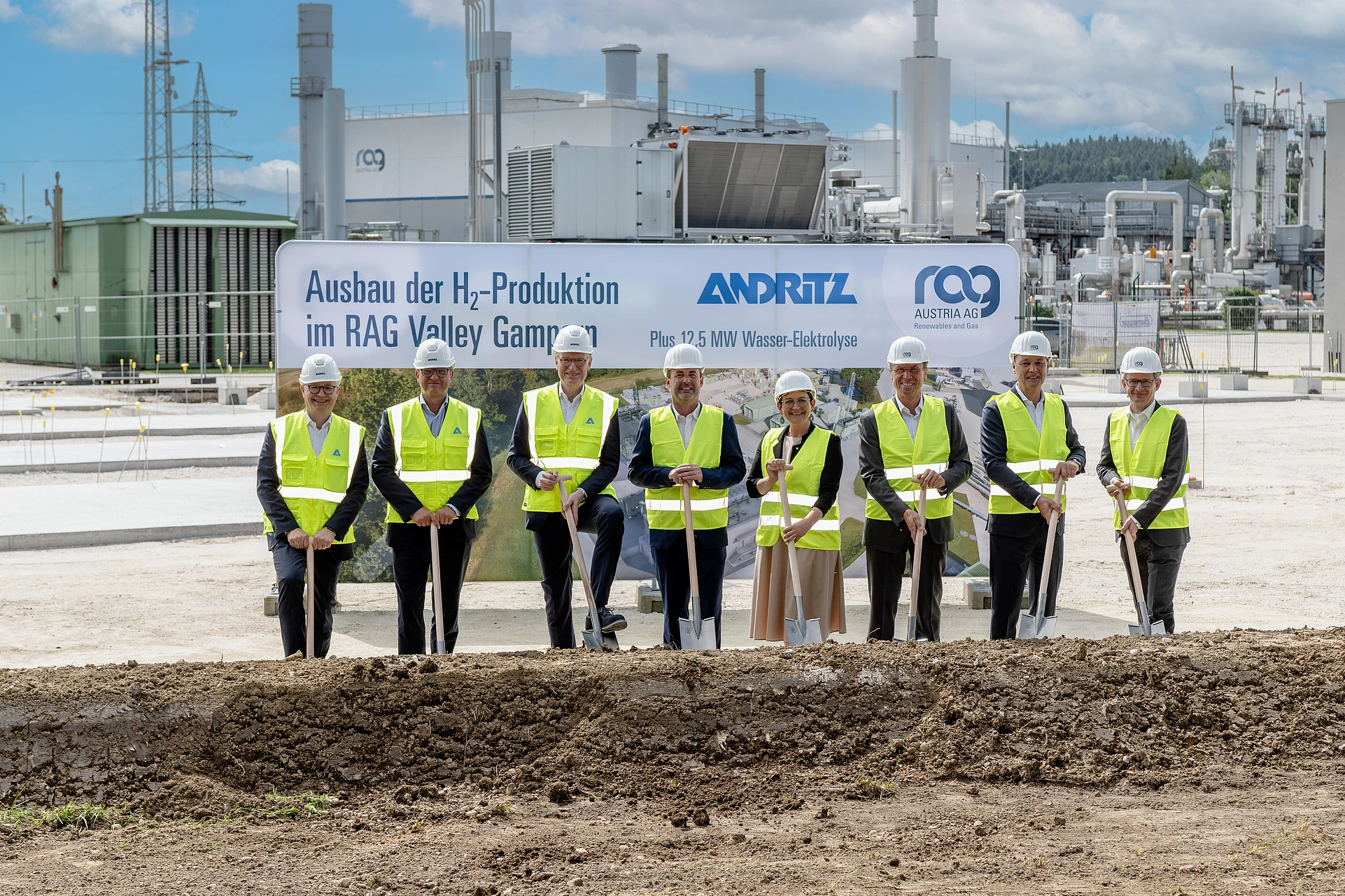
Have you ever thought about how we could take the sunny days of summer and keep their energy going all the way through winter? Well, there's an exciting project happening in Gampern, Upper Austria, that's doing just that! They’re combining solar power, cutting-edge electrolyser tech, and underground storage to make sure we don't lose that precious energy when it's needed the most, especially for our hydrogen infrastructure.
Creating a Seasonal Energy Bank in Gampern
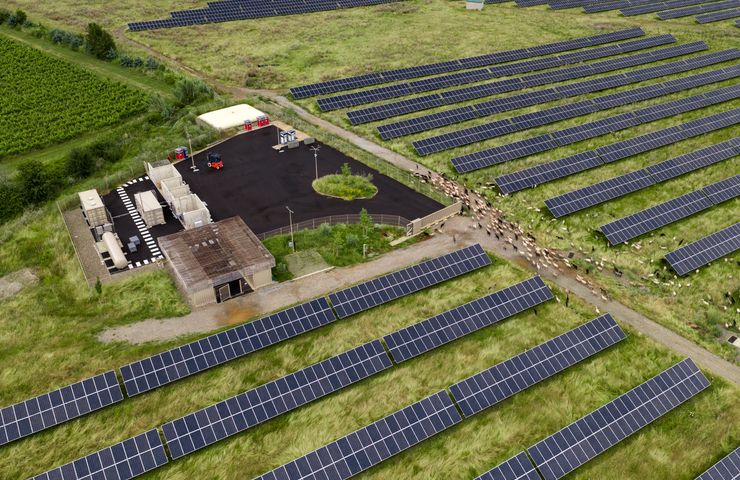
Nestled in the picturesque hills near Vöcklabruck lies a reservoir that used to house natural gas; now, it’s on the verge of a transformation. Under the name RAG Valley, RAG Austria AG is ramping up its demonstration facility to become Austria’s largest green hydrogen plant. Instead of just shuffling electricity around the grid, this innovative project is effectively making a “savings account” for energy—storing excess renewable power as hydrogen that we can draw from when the sun isn’t shining.
The heart of this operation is a robust 12.5 MW solar-powered water electrolysis system put together by ANDRITZ AG. As the engineering, procurement, and construction (EPC) partner, ANDRITZ is responsible for everything from design to commissioning, ensuring that the purification and compression units are top-notch. Once up and running, the plant aims to produce around 17 million cubic meters of hydrogen each year—over 1,500 tonnes—effectively converting intermittent sunlight into a consistent and reliable energy resource.
Electrolysis and Underground Storage
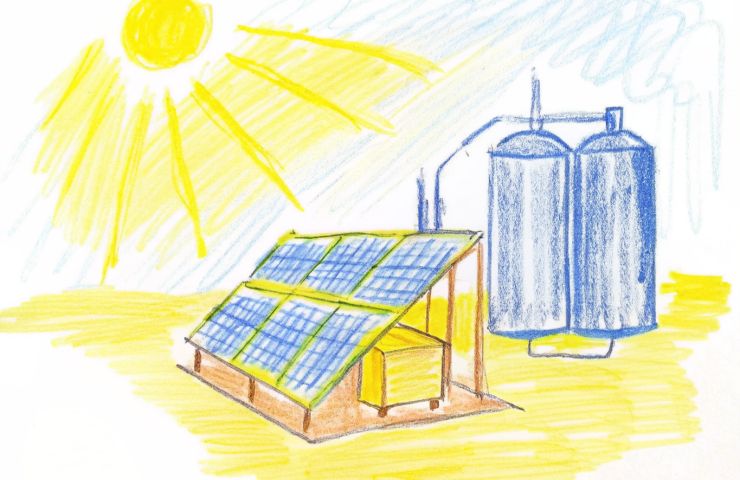
If we think of above-ground tanks as cups for hydrogen, then the Gampern reservoir acts like a giant thermos. During those sunny months, solar panels power electrolysers that break down water into oxygen and green hydrogen. The hydrogen gets compressed and stored in the natural gas field rock, safely sealed with a caprock to keep it from leaking. When winter hits and demand spikes, the process flips: we pull that hydrogen back up, warm it up, and send it out to generate both heat and electricity.
This method of hydrogen storage uses tried-and-true geological structures, making it a smarter choice than traditional pressure vessels, which can have their limitations. And by leveraging existing pipelines and wellheads, they’re not only cutting costs but also speeding up the process of integrating into the regional gas network. They're also putting in place monitoring systems to keep tabs on the reservoir’s integrity, helping to tackle safety concerns surrounding underground storage of this lightest of elements.
A Multi-Utility Model
Instead of tying the plant to just one buyer, RAG Austria has quietly put together a consortium of local energy companies. EVN AG, Energie AG Oberösterreich, KELAG, LINZ AG, and Salzburg AG have already booked electrolysis capacity ahead of time to secure their green hydrogen needs. This collaborative approach helps mitigate commercial risks, includes various utilities in the clean hydrogen news spotlight, and shows a solid market demand for this eco-friendly fuel.
Each utility will tap into their share of hydrogen for different uses, be it power generation, district heating, or even industrial applications. By distributing capacity among multiple players, the project is fostering a decentralized network that connects local needs to a central production and storage hub. In a way, what’s happening in Gampern could set the standard for future hydrogen infrastructure projects across Europe.
From Pilot to Scale
This isn’t the first time the industry has experimented with geological hydrogen storage, but we’re talking about a significant increase in scale. The original UNDERGROUND.SUN.STORAGE pilot project laid the groundwork, proving the concept of cyclically injecting and withdrawing hydrogen to buffer seasonal fluctuations. This underground facility showcased how effectively storage cycles work and made strides in geological modeling. Plus, a 1 MW combined heat and power (CHP) unit, powered by INNIO Group’s Jenbacher hydrogen engines, is set to come online around spring, converting stored hydrogen back into electricity and heat to complete the value chain.
Now, as they’re busy laying the groundwork for the much larger electrolyser, the project team is turning lessons learned from research into real-world applications. Data on efficiency, round-trip losses, and how the reservoir behaves will inform the design of the new plant and help with regulatory approvals. The end game? A smooth transition from pilot to commercial-grade operations, showing just how far hydrogen storage techniques can evolve.
Financing and Policy Signals
Unlike many projects that rely on government grants or subsidies, this expansion is completely financed through RAG Austria’s own resources. That self-funding approach shows just how confident these entrepreneurs are in the emerging green hydrogen production market. With utilities securing capacity in advance, they’re giving themselves some revenue certainty, which also helps smooth out financing risks. This says a lot about how the market for hydrogen project financing is maturing, with long-term contracts helping bridge the gap until trading hubs and market mechanisms come into play.
At the same time, Austria’s national hydrogen strategy and the European Union’s hydrogen roadmap provide a supportive environment. Policymakers have identified green hydrogen as a key player in decarbonizing tricky sectors like steel production and heavy transport. Ambitious goals—like the EU’s aim to install at least 40 GW of electrolyser capacity by 2030—provide a forward-looking horizon for investors. Still, the Gampern model raises important questions: Will grid operators be able to keep up with the flexible demands of electrolysers? Can regulators adjust underground storage licensing to cater to hydrogen’s unique characteristics? How these questions are answered could have lasting impacts that extend beyond Austria.
Expanding the Model Beyond Austria
Gampern may soon have siblings popping up along energy corridors across Europe. Germany has big plans for underground hydrogen storage in salt caverns, while Spain is eyeing its own Iberian basins. Each region has its own geology and renewable energy potential, but the underlying concept remains consistent: inexpensive renewables power electrolysers, producing hydrogen that can be stored for later use. The insight gained from Gampern—reservoir integrity, compression economics, and consortium contracting—will resonate far beyond local boardrooms.
Why It Matters
In the world of hydrogen news, capacity estimates often steal the show. Yet, the Gampern project gets to the root of a critical challenge: balancing the ups and downs of renewable energy with seasonal demands. Solar and wind energy have come a long way, but they can’t reach their full potential in terms of reducing carbon emissions without large-scale storage solutions. RAG Austria’s expansion takes a big step toward solving that issue by converting energy surpluses into chemical fuel, something that batteries alone just can’t handle economically.
Looking Ahead
As the commissioning date looms closer, everyone’s watching to see how quickly the plant can start ramping up and how the reservoir performs compared to the pilot data. If successful, it could spark a wave of similar initiatives in other gas fields—think the North Sea reservoirs in Northern Europe or Spain’s depleted oil fields. Each new project would help weave together renewable energy networks and create a multi-utility network, establishing a hydrogen backbone across the continent.
Of course, challenges still lie ahead. They’ll need to keep electrolyser usage high enough to make the investment worthwhile. Regulations surrounding underground hydrogen storage must evolve too, clarifying safety standards and trading regulations. Plus, industries will have to develop new burners, engines, and turbines that can handle hydrogen’s unique properties.
Still, the Gampern expansion is captivating in its simplicity: transforming the sunshine of summer into the warmth of winter, all while working with the wells and pipes already buried beneath the serene landscape of Upper Austria. It just goes to show that sometimes, the road to net-zero doesn’t start with flashy new technology but by rethinking what we already have.