Green Hydrogen Production in Brazil: Ports Pecém, Açu and Suape Power Export Ambitions
Brazil is mobilizing its renewable energy base and deep-water ports to scale up green hydrogen and green ammonia exports, aiming to transform its energy trade via electrolyser clusters and port hubs.
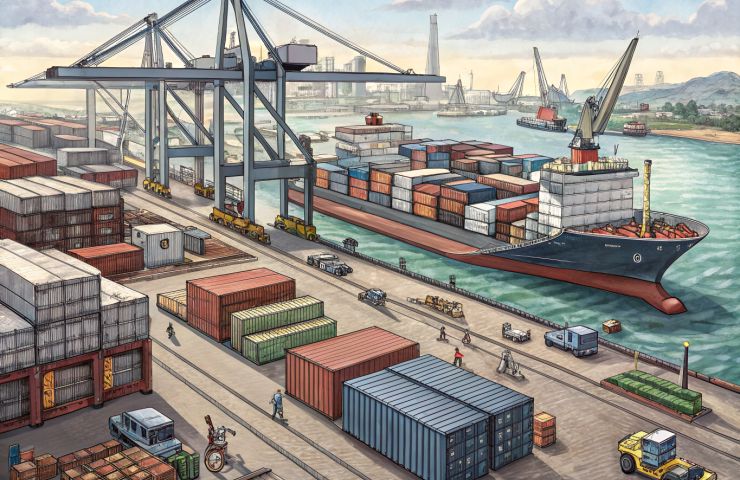
Brazil is really making a name for itself in the booming world of green hydrogen. Thanks to its nearly all-renewable energy mix and abundant deep-water ports, the country is positioning itself as a key player. With the government focusing on low-emission hydrogen as a top priority, Brazil is launching various projects—from wind and solar farms up north to electrolyser clusters at Pecém, Açu, and Suape—aiming to become a major exporter of hydrogen and green ammonia to Europe and Asia.
A History of Renewable Growth
Brazil’s energy story has come a long way. Initially dominated by hydroelectric power, the country has diversified its renewable energy sources over the years. The early 2000s saw a big push towards onshore wind, while the last decade has welcomed expansive solar developments in semi-arid areas. This shift is paving the way for Brazil to transition from simply exporting raw materials to providing clean, carbon-free energy. The latest projects are built on decades of experience in upgrading the grid and managing policies—turning past lessons in biofuels, hydro, wind, and solar into a blueprint for green hydrogen production.
Government Initiatives and Policies
The Brazilian government is all in on hydrogen de bajas emisiones, making it a crucial part of their industrial and decarbonization plans. By teaming up with state authorities and port operators, federal agencies are crafting regulations around certification, taxes, and grid access. Although some policy details are still under discussion, it’s clear that there’s a push to support electrolyser plants with favorable financing and contracts. This means that project teams can start locking in long-term energy deals with wind and solar farms, which helps take a layer of financial risk off their plates.
Ports Ready to Become Export Hubs
Three ports are vying for the title of Brazil’s hydrogen export powerhouse:
These locations not only offer plenty of land but are also bolstered by established export routes and the promise of new jobs in regions looking for fresh industrial opportunities.
Impact on Local Economies and Workforce Development
The green hydrogen and ammonia initiatives aren't just about exports; they’re set to transform job markets locally, too. During construction, thousands of jobs could be created in civil engineering, plant assembly, and expanding the grid. Once these projects are up and running, technicians skilled in process control, maintenance, and safety will be in high demand. Local universities and technical schools are already figuring out how to train workers in electrolyser tech, power systems, and sustainable engineering—essential skills that will help convert Brazil’s renewable promise into real industrial strength.
Electrolysis, Green Ammonia, and Logistics
At the heart of Brazil’s plan is electrolysis, the method of breaking water into hydrogen and oxygen using renewable power. While today’s electrolyser technology can be pricey, increased production and competition among suppliers are gradually bringing prices down. To tackle shipping logistics, many developers are looking to convert hydrogen into green ammonia, a compound that’s simpler to liquefy and transport. Once it reaches its markets, ammonia can be used directly as fuel or converted back into hydrogen, adding a layer of flexibility that industrial consumers will appreciate.
Economic Context and Market Drivers
Brazil’s ambitions in hydrogen and ammonia exports are responding to strong demand signals from Europe and Asia, where companies and governments are eager to lock in carbon-free energy carriers. These long-term agreements are key to financing the projects and minimizing exposure to unpredictable commodity prices. But, challenges remain:
On a positive note, the construction and operational phases could create numerous jobs, revitalizing regions that have often depended on agriculture or fossil fuel operations.
Environmental and Community Considerations
With large-scale electrolyser facilities and surrounding infrastructure comes an environmental impact. Water sourcing in dry areas raises questions about competing demands from agriculture and local communities. Developers must navigate robust environmental regulations, engage openly with the community, and implement strategies to minimize land-use impacts. Plus, aligning projects with social development goals—like local hiring initiatives and benefit-sharing—can ease the approval process and secure community support, especially in regions where agribusiness and fossil fuels have been the norm.
Attractive Financing and Offtake Agreements
To attract the kind of gigawatt-scale investment needed, innovative financing solutions will be critical. Project teams are exploring options like green bonds, infrastructure funds, and syndicated loans to fund the hefty costs of electrolyser installations, ammonia production, and port improvements. Equally important are securing long-term offtake arrangements with utilities, industries, and shipping companies, which provide a more predictable revenue stream. Europe’s clean energy ambitions and Asia’s plans for decarbonization are driving this demand, but nailing down formal commitments will be the real test for these ambitious projects.
Future Outlook and Global Competition
Brazil's strategy reflects a larger trend: countries rich in renewable resources are racing to ramp up their electrolyser capacity and stake their claim in the global export market. Australia, parts of Africa, and the Middle East are making similar moves, which could lead to oversupply and price pressures if demand doesn’t keep pace. For Brazil, success depends on:
By targeting export-ready volumes and locking in buyers, Brazil has the potential to redefine its energy export landscape—and join the ranks of soy, iron ore, and oil.
Looking Forward
If Brazil can turn its renewable energy advantages into operational hydrogen corridors, it won’t just diversify its exports, but also bolster energy security for countries that import it. We’ll be keeping an eye on whether pipeline projects evolve into shipping-ready facilities, and if global customers follow through with their premium price commitments. In the next few years, upgrades to port infrastructure, enhancements to the grid, and clear policy directions will reveal whether Brazil can cement its role as a leader in the global hydrogen arena.