Green Hydrogen Production Takes Off in Vilnius: €10M Plant Paves Way for Local Hydrogen Infrastructure
Miesto gijos has finished building a €10 million, 3 MW green hydrogen plant at Vilnius CHP-2, backed by EU and municipal funds, to power 16 buses and boost local hydrogen infrastructure.
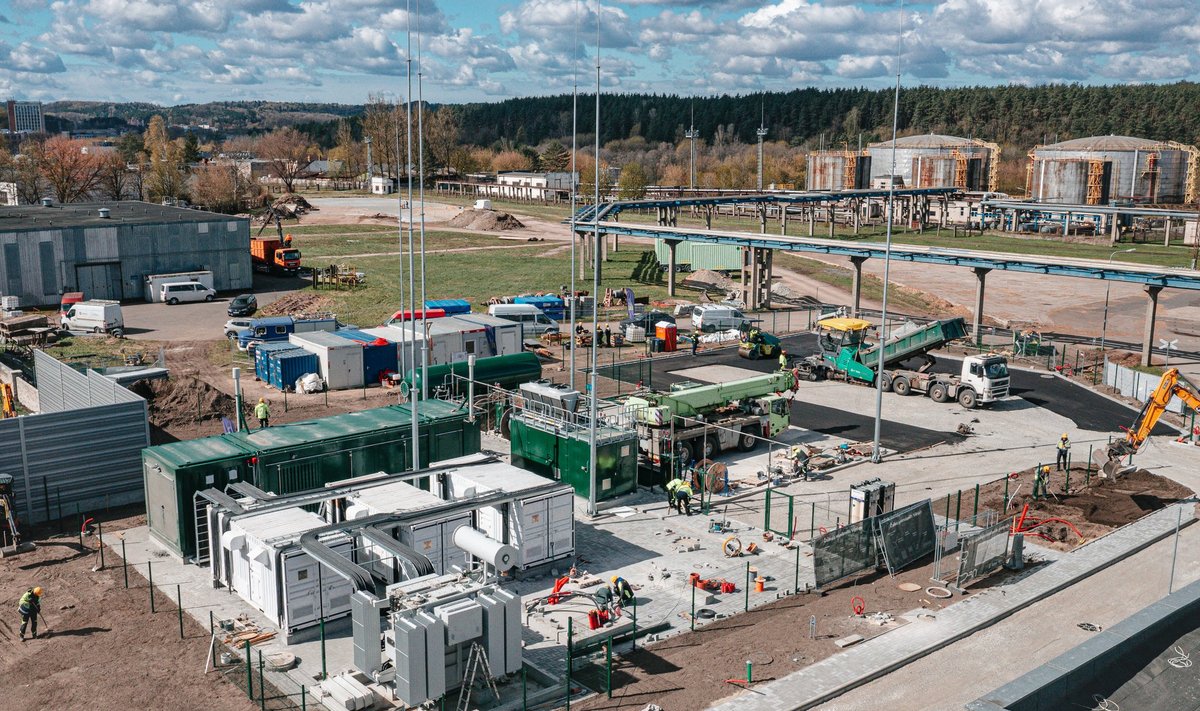
Miesto gijos has just wrapped up the construction of a €10 million green hydrogen production plant right at the Vilnius Second Combined Heat and Power Plant in Lithuania's capital. This development is a real turning point for urban hydrogen infrastructure, and it's about to change the game. The facility, boasting a capacity of 3 MW, is now in the testing phase, with the first batch of production expected to roll out by the end of the year. Thanks to around 70 percent funding from the European Union and additional support from the Vilnius City Municipality, this project is positioning the city as a frontrunner in clean hydrogen news and showcasing what sustainable transport could look like.
Building a Local Hydrogen Ecosystem
At the core of this initiative is a 3 MW PEM electrolysis system. This technology splits water into oxygen and green hydrogen using renewable electricity—a smart choice since it easily adapts to varying power inputs and has the potential to mesh well with the existing district heating operations. Initial estimates suggest that the plant will churn out about 1.14 million cubic meters of hydrogen each year in its first phase. If everything goes according to plan, it can potentially ramp up to a full capacity of 3.45 million cubic meters. And here’s the cool part: being close to the CHP-2 site means they can reuse waste heat to boost the electrolyser's efficiency. This connection perfectly illustrates the idea of sector coupling between district heating and hydrogen production, with the opportunity to lower electricity consumption by as much as 10 percent—now that’s sustainable!
Scaling Fleet Decarbonization
The facility's primary aim is to support municipal transport. It's set to deliver green hydrogen to 16 fuel cell buses, which will help cut down around 1,400 tonnes of CO2 emissions each year compared to standard diesel buses. As the network takes off, that 3 MW capacity is designed to potentially power up to 40 hydrogen buses, leading to significant reductions in urban air pollution and noise. Plus, the project isn't just geared towards buses; it’ll feature a publicly accessible hydrogen refueling station at the Viršuliškės Public Transport Park station. This will be the first of its kind in Vilnius, paving the way for both commercial vehicles and private drivers to fuel up, thereby promoting broader adoption of hydrogen vehicles.
The plant also takes advantage of the heat waste from the CHP site, boosting its overall efficiency. As operations ramp up, it’s expected that powering 40 buses at full capacity won’t be an issue, solidifying Vilnius’s position in advancing hydrogen infrastructure.
Strategic Public-Private Collaboration
This milestone was brought to life by Miesto gijos, who are not only the project developers but also operators. The full-scope EPC contractor MT Group oversaw the construction and technical integration. Established back in 2008, MT Group has been involved in energy infrastructure projects all over Europe and employed over 50 local engineers during the peak construction phase. Once up and running, Miesto gijos will manage the ongoing operations while launching specialized training programs for utility staff. The Vilnius City Municipality covered the remaining 30 percent of the project costs not funded by EU grants, creating a model for effective hydrogen project financing that brings together public policy and private-sector expertise.
Driving Local Innovation and Skills
This collaboration has spurred local R&D and engineering talent. MT Group is using advanced electrolyser stacks that reflect the latest in hydrogen production methods. It’s also resulted in dozens of jobs in construction, operations, and maintenance, helping to establish a budding supply chain in Vilnius. Research teams and utility engineers are exploring how to integrate the plant with district heating loops to maximize waste heat recovery and overall system performance. This synergy not only enhances efficiency but also sets a new standard for future municipal hydrogen projects across the region.
Leveraging EU Policy Momentum
The project is strategically tapping into the European Union’s structural funds, aligning perfectly with the bloc’s Green Deal priorities and the goals of the Clean Hydrogen Partnership. Around €5.64 million of the investment comes from EU grants, covering about 70 percent of total costs. Thanks to streamlined permitting and favorable financing under EU frameworks, lead times were reduced by several months. As Brussels works on its 2030 hydrogen roadmap, Vilnius’s plant stands out as a model of how regional policy can support pioneering clean hydrogen deployments in urban areas.
Expanding Beyond City Limits
While the initial focus is on municipal buses, there's growing interest from nearby districts and private fleets in this new fuel source. The operator plans to set up another refueling hub near the city’s ring road, effectively doubling the network’s coverage. They've also started discussions with logistics companies about supplying hydrogen for light trucks, which could boost annual offtakes to over 2 million cubic meters. Increased utilization like this would not only enhance the plant's economics but could also trim production costs by up to 15 percent, strengthening the case for even more investment in hydrogen infrastructure.
Momentum in a Broader Network
Vilnius is joining a wave of European capitals stepping up their municipal hydrogen ecosystems. With testing already underway and the first flows of green hydrogen expected soon, this project marks a significant leap from pilot stages to real-world application. As other cities across Europe keep a close eye, the insights gained from Vilnius will help shape the next phase of urban hydrogen fuel cell news, covering everything from industrial partnerships to regional transport networks. For Lithuania and beyond, this initiative highlights how smart public investment and well-thought-out offtake strategies can turn policy into transformative infrastructure.
Vilnius’s green hydrogen plant isn’t just one project among many; it’s a launchpad for a local hydrogen economy. By harnessing renewable electricity, combining district heating with advanced electrolyser technology, and implementing clear municipal strategies, the city has set a solid foundation for low-carbon mobility. That’s a glimpse into the future of how European urban centers can leverage green hydrogen production to hit climate targets, enhance energy security, and create fresh growth opportunities for developers, transport operators, and research institutions alike.