Hanwha Picks KBR’s Ammonia Cracking Tech to Power South Korea’s Hydrogen Future
Hanwha taps KBR’s ammonia cracking tech to transform imported ammonia into clean hydrogen in South Korea, marking a strategic leap in Asia’s hydrogen infrastructure race.
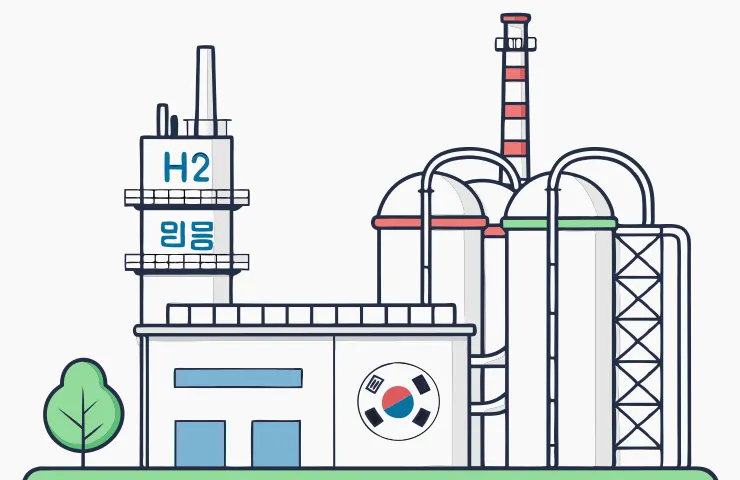
South Korea is making another major move toward a low-carbon future — and it’s turning to U.S.-based engineering powerhouse KBR to help make it happen. As part of their push to build a strong hydrogen production and supply chain, Hanwha has selected KBR’s high-efficiency ammonia cracking technology to transform imported clean ammonia into usable hydrogen fuel.
Hanwha and KBR: A Powerful Partnership
This collaboration isn’t just convenient — it’s strategic. Hanwha, a major South Korean player in chemicals, energy, and aerospace, has made hydrogen a cornerstone of its clean energy plans, perfectly aligned with South Korea’s national climate goals. On the other side of the table, KBR, a Houston-based firm with over 100 years in the game, adds another global win to its growing list of hydrogen tech projects.
“This isn’t a small-scale experiment,” says one energy analyst. “South Korea is serious about building a real, working hydrogen infrastructure, and choosing KBR shows how viable and export-ready their ammonia cracking tech really is.”
Why Use Ammonia to Ship Hydrogen?
Ammonia is quickly becoming the go-to method for transporting hydrogen — and here’s why. It’s far easier to move and store than liquified hydrogen, making it a smart choice for import-reliant nations like South Korea, where land space for renewables is tight.
That said, cracking ammonia back into hydrogen with the high purity needed for fuel cells and energy use is no walk in the park. That’s where KBR’s ammonia cracking tech stands out. It operates at the 700–900°C sweet spot needed to break NH3 into hydrogen and nitrogen, then pushes hydrogen purity to fuel-grade levels. What was once considered just fertilizer is now at the center of the clean fuel conversation.
South Korea’s Bold Hydrogen Vision
For South Korea, this isn’t just another shiny tech project. It’s a mission-critical piece of the country’s long-term hydrogen infrastructure strategy. With limited access to solar and wind due to its geography and dense cities, South Korea plans to import clean ammonia from places with cheaper renewable energy, then crack it onshore to fuel their economy.
The idea is to unlock hydrogen for everything from fuel cell vehicles and heavy industry to electricity generation. Hanwha is front and center in making this happen, already investing heavily in ammonia production, hydrogen logistics, and now in-country conversion tech. It's a full-circle play.
KBR: Building a Hydrogen Tech Empire
This project adds another layer to KBR’s growing clean energy pipeline. The company has been quietly assembling an impressive portfolio in carbon capture, syngas, and various shades of hydrogen — from gray to blue and green. Deals with big-league players like BASF, Shell, and Wood have helped KBR scale fast across the world.
In hydrogen cracking specifically, KBR’s solution offers a blend of flexibility and performance. It can be scaled up or down depending on the need, while delivering hydrogen that meets the super high purity standards required for sensitive fuel cell uses — we’re talking 99.97% pure. That’s the kind of precision clean tech customers are looking for.
A Bigger Picture: Decarbonizing Heavy Industry
Sure, we don’t have all the rollout details yet, but the bigger implications are impossible to miss. This is a real step toward industrial decarbonization in South Korea. By swapping out fossil fuels for hydrogen derived from clean ammonia, sectors like refining, shipping, and manufacturing — where South Korea has global influence — can start to dramatically cut their emissions.
As technologies like ammonia cracking get more sophisticated, the model South Korea is building could become a template. Countries in Europe, Japan, and Southeast Asia — all eyeing hydrogen as part of their climate toolkits — are watching closely. If KBR’s system delivers, it might become the go-to option for regions that need to import hydrogen rather than generate it on their own.
Looking Ahead
Keep your ears open — South Korea has more hydrogen moves coming. Companies like Hanwha, Doosan, and Korea Gas Corporation are actively drawing up plans and laying down infrastructure. And if KBR’s cracking solution proves itself in the real world, we might be seeing the beginning of a global trend — especially in places banking on ammonia over local renewables.
As the race to carbon neutrality heats up, ammonia cracking may just become the centerpiece of hydrogen strategies from Ulsan to Rotterdam. Watch this space.