News
HD Hyundai and Maersk Bet Big on Solid Oxide Fuel Cells for Maritime Decarbonization
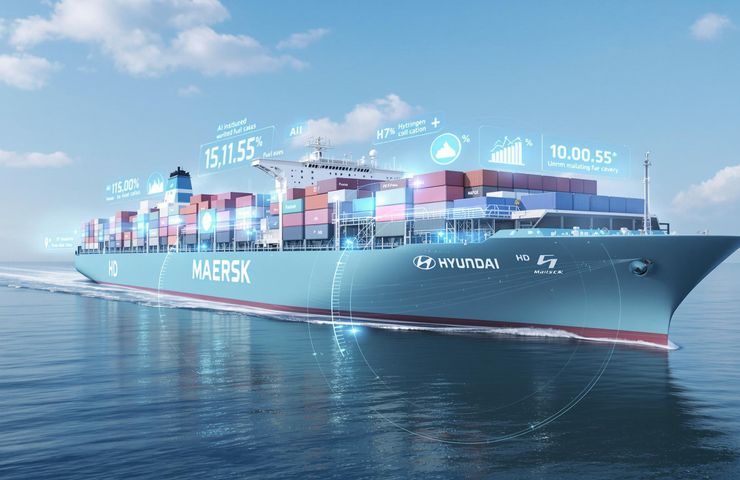
HD Hyundai and Maersk are doubling down on hydrogen and SOFC technologies to decarbonize shipping, starting 2025. Big bets. Real impact.
Sinks or Swims: The Methanol Hype Isn’t Enough
Just when it looked like methanol was stealing the spotlight in clean shipping, HD Hyundai and Maersk went and flipped the script. Their latest move signals a shift toward something even bigger: solid oxide fuel cells (SOFCs). Not just a nice-to-have, we’re talking full-on plans to retrofit fleets. That’s a bold move for an industry that’s not exactly known for fast change.The Headlines: What You Need to Know
So here’s the scoop — HD Hyundai and A.P. Moller – Maersk have inked an R&D deal in South Korea. They’re teaming up to develop SOFC power systems, retrofit kits for ships already in service, and next-level logistics optimization tech. Field trials kick off in 2025. The goals? Cut emissions by 30% and shave up to 5% off fuel costs. This isn’t just a lab experiment — it’s a race to cut maritime emissions and scale actual solutions.What It Means: Decarbonization Isn’t Optional Anymore
This partnership isn’t about dreaming up some far-off future. It’s about acting now. With the EU ETS set to expand in 2026, regulatory pressure is building. These companies aren’t waiting for mandates—they’re making power moves. Think less speculation, more deployment.Technical Zoom-In: SOFC Gets Its Shot
Let’s talk tech: solid oxide fuel cells run hot — we’re talking 700–1,000°C — and turn hydrogen or methanol into electricity with over 60% efficiency. That’s seriously next-level. Pair that with onboard AI like HiNAS for real-time navigation, plus digital twins like OCEANWISE for smart monitoring, and you’ve got a vessel that’s cleaner, leaner, and thinking two steps ahead.Why This Partnership Matters Strategically
This isn’t just a one-off collab. Maersk’s placing bets on green fuel corridors, and HD Hyundai is eyeing retrofits that could impact a third of the global container fleet. Together? They’ve got enough muscle to help shape IMO policy and push new standards into reality. The fact that they signed the MoU at Hyundai’s innovation hub in Seongnam — not in some corporate boardroom — says a lot.History Meets the Market
This move didn’t come out of nowhere. Back in 2021, Maersk ordered 19 methanol-ready ships. Fast forward to this year, and the first mega methanol-powered container ship has already hit the water. Now they’re thinking bigger — hotter tech, sharper software. It’s part of a bigger story: more efficient ships with more control and a lot less carbon.Real Work Ahead
The next six months will be all about trials on existing ships in the Maersk fleet. If these tests go well, it could pave the way for templates that scale fast. HiNAS alone could squeeze 3–5% more fuel savings from smarter routes. That’s not just saving trees — that’s saving money, big time.The Maverick Take
Here’s the thing — a flashy press release doesn’t equal real progress. But this move? It’s tactical. These companies know the old playbook won’t cut it anymore. Shipping giants can’t just regulate their way to net-zero — they need hard tech and fast iteration. If SOFCs survive sea trials and the IMO gives them the nod, methanol alone won’t be the only clean fuel making waves. That said, fuel cell scale-up is no walk in the park. Reliability, longevity, system integration — all still big question marks. The path’s promising, but they’re far from the finish line.Closing Thought:
If HD Hyundai and Maersk pull this off, it won’t just clean up shipping lanes—it’ll lay the foundation for an entire zero-emission supply chain. In a world chasing industrial decarbonization and reduced maritime emissions, this could be where the dominoes start to fall.How was this article?
Thanks for the feedback!