Hydrogen blending powers unmodified Wärtsilä 50SG engine at UMERC’s A.J. Mihm plant
An unmodified 18–19 MW Wärtsilä 50SG engine at the A.J. Mihm station ran on a 25% hydrogen-natural gas blend, achieving 95% load, stable efficiency and a 10% CO₂ reduction.
Up in Michigan's Upper Peninsula, there's some exciting stuff happening with clean energy, thanks to a team spearheaded by WEC Energy Group and their partner, UMERC. They've been running a pretty impressive field test at the A.J. Mihm Generating Station where an unmodified Wärtsilä 50SG gas engine has been seamlessly firing up on a blend that mixes in up to 25% hydrogen. This experiment has been pivotal, continuously supplying power to the grid for about two weeks last year, and it's been backed by major names like Wärtsilä Corporation, EPRI, Burns & McDonnell, and Certarus Ltd.. It’s a big step forward in hydrogen infrastructure, showing that we can actually integrate low-carbon fuels into our existing systems right now.
Key Outcomes
Regional Drivers
In Baraga Township, a quaint community of about 2,000 locals, the electricity scene is all about local generation. With winter demands shooting up and transmission lines not quite cutting it, they face some high electricity costs compared to the rest of Michigan. Historically, this area relied on its forestry and mining industries alongside some old coal plants, but nowadays they’re shifting gears toward natural gas engines for a bit more flexibility. The 55-56 MW A.J. Mihm station, with its three Wärtsilä 50SG engines, has stepped in to help stabilize the grid. As climate commitments ramp up, everyone is on the lookout for ways to decarbonize that don’t require a total overhaul of the system.
Technical Deep Dive
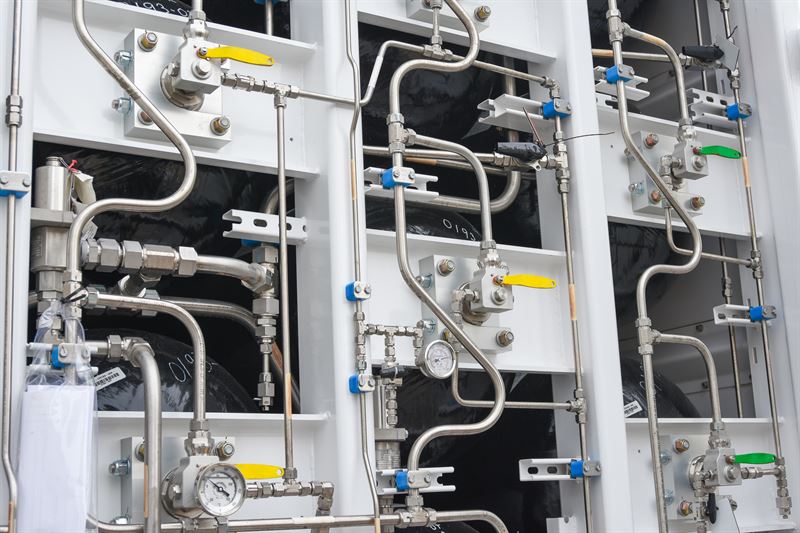
During the demonstration, hydrogen from Certarus Ltd. was injected into the gas network at the plant through these nifty mobile blending skids created by Burns & McDonnell. They steadily increased the amount of hydrogen, going from 0% to 25%—the maximum the engine could handle based on its specs. They managed to deliver over 1,000 kg of hydrogen during those tests, setting a record for hydrogen flow into a grid-connected engine. The 18V50SG engine, which usually runs on pure methane, adapted just fine to the blended fuel, thanks to its existing hardware and factory control maps.
Meanwhile, EPRI technicians gathered some serious data regarding thermal efficiency, NOx emissions, and unburned methane slip at various load levels and fuel blends. The results showed that the performance with blended fuels was nearly identical to that of natural gas alone. The NOx emissions were well within safe limits, and they kept an eye on cylinder pressure and exhaust to confirm everything was running smoothly without any emergency shutdowns or issues. This all points to a system that’s ready for commercial action.
Strategic Considerations
For utilities feeling the heat to cut carbon emissions, blending hydrogen seems like a solid middle ground, offering some clear benefits:
Wärtsilä makes a strong case for its hydrogen-ready 31 platform, which is designed to transition smoothly to 100% hydrogen use. Certarus is proving its mobile hydrogen supply model works as a practical stepping stone to more permanent setups. And the engineering teams are showing off their ability to roll out safe blending systems, setting a precedent for other sites to follow suit.
Policy and Market Impacts
The insights gleaned from this test are likely to guide regulators and standards organizations in establishing hydrogen injection limits and refining safety codes. On the federal level, clean fuel standards being considered can benefit from performance metrics—like capacity reduction and emission drops—to develop incentive programs or low-carbon fuel credits. State agencies might even approve blended hydrogen to count toward renewable energy mandates, opening doors for new revenue streams for utilities and hydrogen producers.
On the market front, emerging blended fuel offtake agreements are creating a reliable financing model that ties together hydrogen suppliers, utilities, and equipment vendors. Demonstrating that this tech works makes it easier for lenders and investors to back hydrogen projects and blending infrastructure, speeding up the move toward green hydrogen production.
Looking Forward
While a 9-10% reduction in CO₂ emissions with a 25% hydrogen blend is a modest achievement, it's a tangible, low-risk first step in the right direction. As green hydrogen production ramps up and distribution networks grow, plants that have successfully used these blends can gradually increase the amount of hydrogen they use or even transition to 100% hydrogen with the right kits. Wärtsilä is aiming to deliver hydrogen-capable engines based on its 31 platform by the mid-2020s, targeting nearly zero CO₂ emissions. Globally, similar initiatives are popping up, but few have the same scale and uninterrupted grid service as the A.J. Mihm trial. This project is now a template for utility companies trying to balance climate goals with keeping operations reliable. Locally, operators believe these blending experiments could spark new economic opportunities as hydrogen logistics and equipment upgrades create fresh jobs in service and maintenance.