Hydrogen-Electric Cargo Flights Take Off in the UK with ZeroAvia's ZA600 Powertrain
ZeroAvia, RVL Aviation, and MONTE partner to roll out the UK’s first hydrogen-electric cargo flights using ZA600-powered Cessna Caravans, targeting commercial flights by 2025.
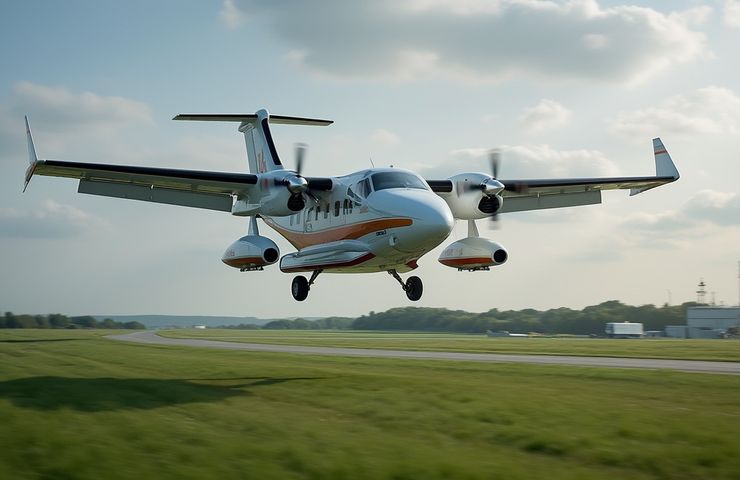
ZeroAvia, RVL Aviation, and zero-emission aircraft lessor MONTE have joined forces to launch what will be the UK’s first hydrogen-electric cargo flights. These operations are expected to take off—literally—across the British Isles as soon as they get the green light from the UK Civil Aviation Authority, which could happen in 2025. The exciting part? They’re taking ZeroAvia’s ZA600 fuel cell powertrain off the test bench and into the skies, retrofitting Cessna Caravan 208B aircraft to handle everything from regional cargo runs to emergency response missions.
Market Impact: Hydrogen Takes the Lead in Cargo Aviation
This isn’t some pie-in-the-sky tech demo—it’s a serious move toward cleaner skies with real momentum behind it. The partnership gives ZeroAvia a strong edge in getting its fuel cell-powered aircraft certified, and it targets a part of aviation that’s often overlooked when talking about sustainability: short-haul cargo and utility flights.
RVL Aviation brings decades of operational know-how to the table, and they’re fully on board with the lower emissions and whisper-quiet performance—up to 90% quieter than traditional turboprops. Meanwhile, MONTE’s leasing model makes it easier for regional operators to get on board without taking on all the upfront costs. Infrastructure and pilot training? Already in the works.
Technical Snapshot: Inside the ZA600 Hydrogen-Electric System
The ZA600 delivers 600 kW of clean power through proton exchange membrane (PEM) fuel cells running on compressed hydrogen. That electricity drives electric motors, which spin the propellers—and the only thing coming out of the exhaust is water vapor. Some highlights:
- Range: Over 500 nautical miles
- Refueling Time: Just 30 minutes – way faster than sitting around charging a traditional EV
- Infrastructure: The UK’s planning for 12 liquid hydrogen-ready airports by 2030
And this is just the beginning. A bigger version, the ZA2000, is already in development. With 2 MW of power and running on liquid hydrogen, this system aims to scale up to 80-seat aircraft by the late 2020s.
What This Means
- It’s the UK’s first real-world hydrogen-powered aircraft rollout—not just a concept, but commercial plans.
- Hydrogen-electric propulsion delivers as much as a 90% cut in emissions compared to fossil-fuel-powered aviation.
- Quieter flights unlock new options, like night-time cargo routes without noise restrictions.
- This effort builds on the UK’s strong push for industrial decarbonization, including a £4 billion investment into cleaner aviation since 2023.
- The model shows that these zero-emission aircraft aren’t just a one-off—they’re repeatable, scalable, and ready for broader adoption.
The UK Is Quietly Becoming a Hub for Hydrogen Flight
Believe it or not, the UK is leading the way when it comes to hydrogen in the air. Since 2022, more than 90% of all recorded hydrogen-powered flight tests took place here. Backed by the government’s Jet Zero Strategy, which targets net-zero domestic aviation by 2050, efforts like this retrofit project are lining up perfectly with broader climate goals. ZeroAvia’s earlier work during the 2022 HyFlyer II program already proved hydrogen-electric flight was possible using a Dornier 228. Now, we’re looking at turning that early promise into dependable service.
Looking Ahead
While a lot of the aviation world has been buzzing about sustainable aviation fuel (SAF), hydrogen-electric propulsion is quickly carving out its own flight path—especially for short to mid-range flights. What makes the ZeroAvia, RVL, and MONTE partnership so exciting is that it’s moving past the “what if” stage. We’re talking actual planes, flying real routes, cutting real emissions. That’s not just innovation—it’s progress.