Hydrogen Fuel Cell Mobility Shifts to Heavy-Duty Trucks and Buses, Led by Asia
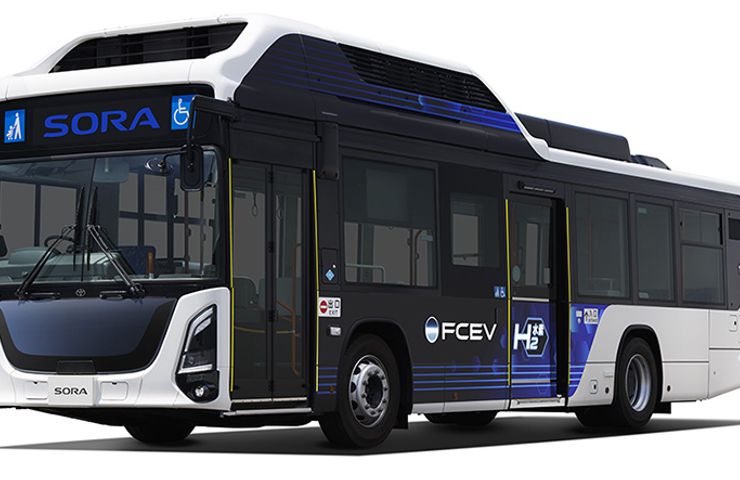
Heavy-duty trucks and buses are now driving hydrogen mobility, with over 90% of hydrogen-fuelled trucks in China and nearly 20% of hydrogen buses in Korea. Europe’s hydrogen bus pilots face cancellations, highlighting the need for stable policies, infrastructure and low-emissions hydrogen supply to achieve zero-emission heavy transport.
When we talk about hydrogen mobility, it’s clear there’s been a big shift lately. What used to be just a bunch of concept fuel-cell passenger cars is now turning into a booming fleet of hydrogen-powered trucks and buses. According to industry data, over 90% of the world’s hydrogen fuel trucks are in China, all thanks to a mix of national and local subsidies. Meanwhile, South Korea is stepping up too, supporting nearly one in five hydrogen buses around the globe. With climate goals tightening and emissions regulations getting stricter, this transformation highlights just how practical and cost-effective hydrogen can be in high-use, depot-based transportation.
In the latest analysis from H2-Mobile, which reviewed the International Energy Agency’s sixth Global Hydrogen Review, there’s a lot packed into those pages about low-emission hydrogen, costs, infrastructure, and various applications. The big takeaway? Hydrogen mobility is shifting its focus toward heavy-duty road use, especially in Asia, while passenger fuel-cell cars are struggling to keep up outside a few select markets.
Asia is Leading the Charge in Heavy Duty
In China, they’ve rolled out thousands of fuel-cell trucks and buses, creating demonstration zones in places like Guangdong, Shanghai, and Hebei. Subsidies from both central and local governments are making the fuel prices competitive with diesel, fueling rapid growth in fleets through multi-year support programs. Even though battery-electric trucks still represent the bulk of zero-emission vehicle sales, fuel-cell models are finding their sweet spot where long-range, quick refueling, and dependable operations are essential.
Over in Korea, the Ministry of Climate, Energy, and Environment has set clear guidelines to roll out around 7,800 hydrogen vehicles this year—roughly 1,800 buses and 6,000 passenger cars—backed by about KRW 576.2 billion in funding. With additional support aimed at creating a solid network of refueling stations, South Korea is now home to nearly 20% of the global hydrogen bus fleet, testing how these vehicles perform in cities from Seoul to Busan.
Passenger Cars: Losing Their Edge
Fuel-cell cars once sparkled as a zero-emission alternative to regular vehicles, but now they're kind of getting boxed into a corner. Automakers are rapidly shifting toward battery-electric vehicles, which come with the benefits of readily available charging stations, decreasing battery prices, and rising consumer interest. Out there in most regions, private hydrogen refueling stations are still pretty hard to find, and the steep initial costs of fuel-cell systems are putting off potential buyers. The result? We’re seeing a slowdown in fuel-cell passenger car registrations, particularly outside of Asia’s subsidized pilot projects.
Europe: Taking a Measured Approach with Project Dropouts
Europe jumped into hydrogen mobility with grand plans, launching EU-funded pilot fleets and various initiatives as part of the Fit for 55 package and the Alternative Fuels Infrastructure Regulation (AFIR). They set ambitious targets that include hydrogen refueling points along major transport routes from Rotterdam to Trieste, but the rollout of these stations is happening at a snail's pace. Recently, we’ve seen several mid-sized cities pull the plug on hydrogen bus trials, opting instead for battery-electric fleets, which signals a hesitance among operators. There's also the worry that delays in financing low-emission hydrogen plants and uncertainty regarding long-term costs after subsidies could really jeopardize the bloc’s strategic goals.
Global Supply and Trade Dynamics
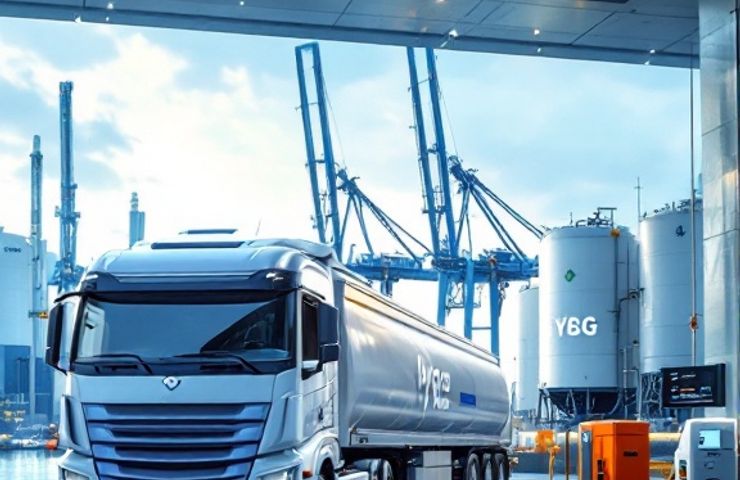
The Global Hydrogen Review sheds light on another interesting point: over 40% of the announced low-emission hydrogen volumes projected for 2030 are connected to export initiatives. This burgeoning international trade could change the game when it comes to fuel availability and pricing. Countries rich in renewable energy sources, like Australia or certain parts of North Africa, are looking at the potential to export green hydrogen or ammonia. They'll likely be shipping liquefied hydrogen or ammonia to major refueling hubs. Meanwhile, European ports are planning out terminals and pipeline links, and the designs for transport corridors include tube-trailer logistics for inland distribution. To make all this work, we'll need standardized safety protocols, certification methods, and cross-border collaboration to keep fuel quality and pricing stable.
Fuel Cells, Production, and Refueling: What's the Deal?
For those curious about the nitty-gritty, hydrogen fuel-cell electric vehicles (FCEVs) operate using a proton exchange membrane (PEM) stack that converts stored hydrogen into electricity. The only exhaust? Just water vapor! These vehicles store gas in high-pressure tanks—typically around 350 bar for buses and trucks, with cars going up to 700 bar. The hydrogen flows into the stack, where catalysts split it into protons and electrons. Those electrons power the motors, while protons join forces with oxygen at the other end to create, you guessed it, water. To make sure everything runs smoothly, an integrated battery or supercapacitor balances out demand and captures energy during braking.
On the production front, low-emission hydrogen creation—using methods like water electrolysis powered by renewable energy or fossil sources with carbon capture—grew about 20% last year, reaching almost one million tonnes, which is roughly 1% of global output. Getting hydrogen to refueling stations relies on pipelines and tube trailers, or even onsite electrolysis, followed by compression and storage. But let’s be real—the high costs of establishing these stations can complicate things if there isn’t a solid customer base to rely on.
Strategic and Financial Perspectives
This shift towards heavy-duty hydrogen really changes the game for value chains, focusing on regions with strong truck manufacturing, robust logistics, and industrial networks—think parts of China, Korea, and certain European routes. For investors, most of the project financing is concentrated among a few developers, which leaves the sector vulnerable to policy changes and market fluctuations. Sure, public subsidies can help mitigate initial risks, but they do expose governments to financial pitfalls if demand doesn’t meet expectations. And on a global scale, the drive for low-emission hydrogen exports is shaping new trade patterns that could help cushion demand swings, but they also come with added complexity regarding standards and tariffs.
Research, Development, and Policy Partnerships
In the tech arena, manufacturers and suppliers are honing their R&D efforts on building high-power, durable PEM fuel-cell stacks that can provide the megawatt outputs necessary for long-haul trucking while figuring out how to reduce the use of costly platinum metals. On parallel fronts, advancements in alkaline and solid oxide electrolysis aim for greater efficiency and lower costs. Meanwhile, developers are exploring advanced composite storage tanks that aim to drop weight while boosting storage capacity. To keep everything running efficiently, digital technology and predictive maintenance strategies are increasingly being implemented to maximize station uptime and fleet effectiveness. Alongside this, policymakers are working to sync CO2 regulations for heavy-duty vehicles with the development of infrastructure, clean fuel rules, and public procurement under the Clean Vehicles Directive. The successful mix of technology, regulation, and funding is crucial for hydrogen mobility to evolve from niche projects into a thriving market.
Peeking Ahead: Correlation and Collaboration
Looking forward, it seems like hydrogen is carving out roles in transport that are a bit more selective rather than one-size-fits-all. Heavy-duty corridors and depot-based services are shining examples where fuel cells clearly have an advantage over batteries, especially when combined with renewable energy sources. Progress in sectors like maritime and aviation is still lagging, but road transport is shaping up to be the primary launchpad for hydrogen mobility. Establishing certification programs and green hydrogen origin guarantees will be vital for tracking emissions across the supply chain and securing corporate and public buying commitments. As policies evolve and projects shift from trial phases to commercial operations, it’s important for all players involved to be ready for changes in supply-demand dynamics, capital flows, and regulatory environments to truly unlock the potential of hydrogen mobility.