Feadship’s Breakthrough Superyacht Pioneers Hydrogen Storage and Infrastructure
Feadship’s Breakthrough superyacht pairs cryogenic hydrogen storage with fuel cells to power silent, zero-emission operation in ports, advancing maritime hydrogen infrastructure.

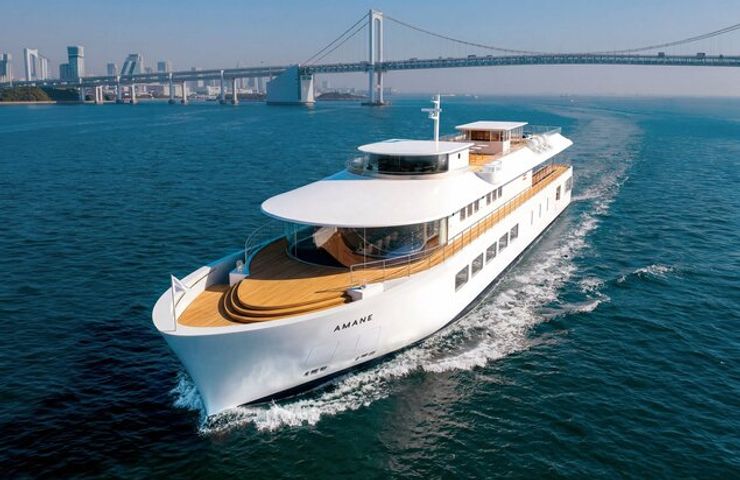
There's an exciting buzz in the world of yachting, and it’s all thanks to a remarkable new superyacht, the Breakthrough. This isn’t just any luxury vessel—it's making waves in hydrogen fuel cell news and hydrogen infrastructure by merging opulence with cutting-edge, zero-emission technology. Crafted by Feadship in the Netherlands, this stunning 118.8-meter yacht serves as a floating laboratory, pushing the envelope on hydrogen storage and fuel-cell advancements. At first glance, it’s got the sleek looks you’d expect—think elegant lines, luxurious pools, and inviting balconies—but beneath the surface, it's a game changer for marine decarbonization and clean hydrogen news.
What makes a superyacht a floating hydrogen lab?
Instead of sticking with traditional diesel power, Breakthrough is equipped with cryogenic liquid hydrogen tanks that keep hydrogen at a frosty -253 °C. This innovative hydrogen storage technique uses double-wall, vacuum-insulated containers tucked away in a specialized compartment that includes sophisticated ventilation and safety measures. When tiny bits of heat creep in, controlled boil-off happens, allowing any evaporated hydrogen to be safely released or redirected to maintain pressure in the tanks. When it’s time to generate power, the liquid hydrogen is warmed up, conditioned, and then sent into polymer electrolyte membrane fuel cells, where the magic happens.
You might be asking yourself, how do hydrogen fuel cells work? Well, here's the scoop: hydrogen flows in on one side of the cell, where it gets divided into protons and electrons. Protons move through a membrane while electrons take the scenic route through an external circuit, creating electricity. Then at the cathode, oxygen swoops in, teaming up with protons and electrons to produce nothing but water vapor. With sixteen fuel-cell systems supplied by PowerCell Group, Breakthrough efficiently transforms hydrogen and oxygen into clean energy, leaving water vapor as the only direct by-product.
Powering quiet and clean operation
All the electricity generated by those fuel cells feeds into a direct current network designed by ABB. The beauty of this hybrid architecture is that it allows fuel cells and traditional generators to share the same network. When moving at low speeds—about ten knots during tests—the electric Azipod propulsion systems give off almost no sound, allowing for super quiet anchoring and harbor maneuvers. Plus, all the creature comforts onboard—from lighting to HVAC to entertainment—run emission-free off that same DC electrical system.
And for those longer hauls, Breakthrough has four MTU diesel generators that are friendly with hydrotreated vegetable oil (HVO), a biofuel that boasts lower life-cycle emissions than standard marine diesel. This balanced approach means the yacht can cruise reliably across oceans while enjoying that zero-emission mode as it nears the shore.
Key partners driving the project
Navigating safety and regulations
With Lloyd’s Register by their side, Feadship put together custom safety protocols that cover everything from tank insulation to boil-off management, gas detection, emergency venting, and even crew training. Because there aren’t established regulations yet for larger hydrogen ships, this project has become a trailblazer for classification guidelines that could shape future maritime policies. They meticulously documented risk assessments and mitigation strategies, which could serve as a blueprint for ports and shipbuilding yards gearing up for the new wave of alternative-fuel vessels.
Pioneering hydrogen bunkering operations
In an impressive moment at a Dutch yacht marina, Air Products handled the liquid hydrogen transfer to Breakthrough in one of the first superyacht bunkering operations of this kind. Specially designed cryogenic tankers docked next to the yacht, pumping hydrogen through insulated hoses right into the onboard tanks. Port authorities monitored safety zones, and trained technicians executed leak checks before and after the transfer. This successful operation underscored the need for coordinated protocols across hydrogen suppliers, port operators, and ship crews, which is a crucial step towards establishing more robust hydrogen infrastructure in harbors around the world.
Scaling up hydrogen infrastructure in ports
While Breakthrough's inaugural bunkering went off without a hitch, replicating it on a larger scale will mean more ports need to set up cryogenic handling terminals with designated safety zones and clear-cut regulations. As the demand for hydrogen production and marine refueling ramps up, ports might invest in specialized hydrogen jetties, on-site storage spheres, and comprehensive training for staff. These enhancements will benefit not just superyachts but also ferries, offshore support vessels, and coastal shipping routes all pushing for decarbonization.
Benefits beyond the deck
But Breakthrough is more than just a showcase of luxury and technology—it delivers valuable insights:
Financing the hydrogen frontier
We can’t ignore that advanced hydrogen systems come with a hefty price tag compared to traditional setups. Projects like Breakthrough often rely on specialized budgets and forward-thinking sponsors. Proving that integration can be successful is key to unlocking investments from shipowners, lenders, and government initiatives aimed at decarbonization. In certain areas, green shipping corridors and clean hydrogen offtake agreements could pave the way for the long-term deals needed to support infrastructure development and bring down fuel costs for future vessels.
Looking ahead for hydrogen storage methods at sea
As we think about the future of maritime transport, it's clear we’ll need a mix of batteries, synthetic fuels, biofuels, and hydrogen to hit those emission targets. Breakthrough demonstrates that blending cryogenic hydrogen storage with fuel cells can cover hotel loads, allow for quiet navigation, and simplify anchoring, while traditional generators can handle the longer ocean voyages. As ports, regulators, and industry players come together to align on standards and infrastructure, the lessons learned from this floating lab will lead us toward greener, quieter waters in the future.