Hydrogen fuel cell news: Bloom Energy’s Power Connect accelerates onsite power deployment by 40%
Bloom Energy’s Power Connect slashes onsite installation time by over 40% with factory-assembled, pre-wired fuel cell modules, boosting hydrogen infrastructure agility.
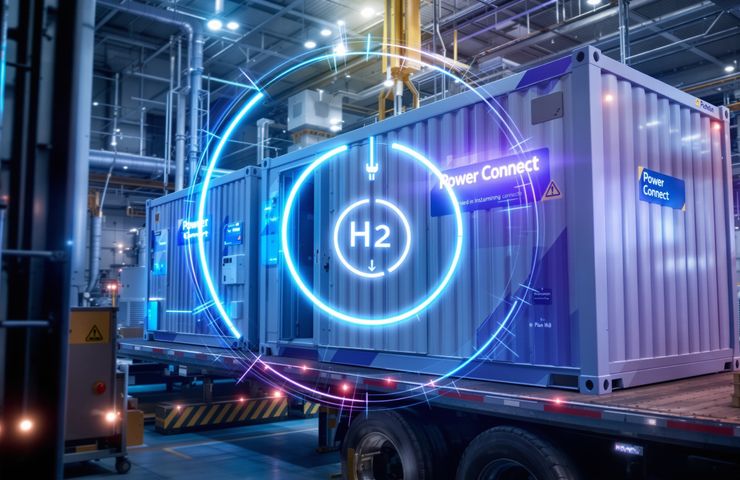
Imagine a world where data centers and industrial parks can secure reliable power in just weeks instead of being stuck in endless grid backlogs. That dream might just be a reality, thanks to Bloom Energy and its innovative new system called Power Connect. This game-changing approach cuts installation time by over 40%, bringing some exciting possibilities for hydrogen infrastructure and the push towards zero-emission technology.
Factory-first integration
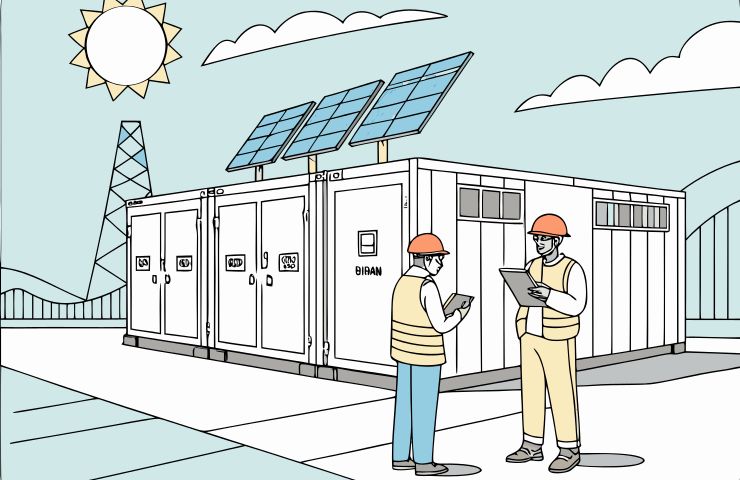
So, what's the deal with Power Connect? Rather than sending electricians out to busy construction sites to mess around with wiring, this system moves the critical electrical work to a controlled factory environment. The modules come pre-connected, pre-wired, and pre-tested, which means getting them up and running on-site is as simple as plug-and-play. It’s a clever twist reminiscent of the rise of prefabricated microgrids, bundling everything from skids to switchgear into a nicely packaged factory assembly.
Why speed matters now
These days, grid interconnection queues can stretch on for years in key markets, and labor shortages don’t make things any easier—unexpected delays can really throw a wrench in the works. For hyperscale data centers, manufacturing facilities, or even campus healthcare centers, every week offline translates to lost revenue. By standardizing integration, Power Connect turns unpredictable on-site labor into predictable factory hours, which can help smooth out financing and cut project risks.
A recent report from Bloom reveals that power availability is now a major factor in where AI clusters and high-performance computing sites are set up. A late energization could force a data center to rely on costly temporary diesel generators or expensive grid backup contracts. With faster onsite generation from systems like Power Connect, facilities can lessen their dependence on overloaded utility lines and dodge the permitting headaches often tied to intricate field wiring.
Fuel flexibility for greener operations
Built around Bloom’s solid oxide fuel cell technology, Power Connect units offer some serious fuel flexibility, operating on natural gas, biogas, or hydrogen. As green hydrogen production ramps up, these units allow facilities to switch to low-carbon options without having to change any hardware. This adaptability is a real booster for hydrogen infrastructure, linking today’s natural gas networks with tomorrow’s renewable hydrogen supply chains.
This flexibility also opens the door for smarter hydrogen storage strategies. Facilities can stockpile hydrogen made through electrolysis when prices are low and blend it into their fuel-cell operations when needed. Over time, this could lead to greater carbon reductions and help gain wider support for hydrogen technology among environmentally conscious businesses.
Data centers leading the charge
Bloom's data highlights the growing partnership with cloud and AI companies, reflecting a clear trend: onsite generation is becoming the norm for digital infrastructure. With Power Connect's pre-wired skids, the company offers a way to reduce schedule risks as much as it does to streamline hardware options. Clients fed up with interconnection delays are likely to appreciate having a standardized installation playbook at their disposal.
While battery backup is still crucial, fuel cells bring continuous power without the need for huge chemical storage systems. They can complement lithium-ion systems, helping to manage peak demand or take the place of diesel generators at critical sites. When paired together, this hybrid approach can deliver reliable, low-emission energy for data centers that rely on uptime.
A broader industry ripple
Prefabricated integration is hardly a new concept in construction, but applying it to high-voltage electrical systems in regulated environments is definitely a fresh take. With increasing buzz around hydrogen fuel, companies are now exploring modular designs to speed up the development of refueling stations and microgrids. Power Connect might just inspire similar factory-assembled solutions for electrolyzers, ammonia production units, or hydrogen storage tanks.
Project developers aiming for industrial decarbonization face challenges like workforce shortages, permitting issues, and rising material prices. But with standardized skids, they can achieve tighter schedules, clearer timelines, and potentially lower labor costs. These efficiency gains can be game-changers for financing hydrogen projects or clean ammonia hubs in emerging markets.
Balancing the sustainability ledger
Now, some critics have pointed out that Bloom’s fuel cells still produce CO₂ when powered by natural gas. But here’s the silver lining: by making it easier to transition to biogas or hydrogen, Power Connect paves the way for deeper cuts in emissions. Plus, it uses less water and produces fewer local pollutants compared to diesel generators or peak power plants. In states tightening emissions regulations, that kind of flexibility could help projects overcome environmental hurdles.
Looking further down the road, combining Power Connect with onsite electrolyzers could create a self-sufficient green hydrogen loop. Renewable energy could drive electrolysis, hydrogen would fuel the cells, and any waste heat could be recycled back into the system. That’s the kind of integrated hydrogen infrastructure that many regions need to meet their climate targets.
Looking ahead
While Power Connect may not fix all the grid headaches out there, it does tackle one stubborn problem: delays caused by field labor and interconnections. By shifting complexity to the manufacturing stage, Bloom Energy aims to secure a time advantage that could be a real competitive edge.
In the larger scheme of things, as manufacturers and energy companies wait for electrolyzer costs to drop, modular, repeatable systems like Power Connect can help bridge today’s grid challenges with tomorrow’s landscape of zero-emission technology. Whether it's for data centers striving for uptime or industrial parks on a mission to decarbonize, the allure of a four-week installation instead of four months is definitely hard to overlook. It shows that the buzz around hydrogen fuel cell news isn’t just about tweaking catalysts or designing new membranes; it’s about rethinking how we build and roll out entire energy systems.
As companies weigh options between onsite power solutions—be it electric or hydrogen—the timeline is just as crucial as the carbon footprint. With Power Connect, Bloom Energy is making a bold bet that speed might just become a defining characteristic in the era of fuel cell technology.