Doosan Fuel Cell Wins KRW 501.4 Billion U.S. AI Data Center Deal
Doosan Fuel Cell has secured a KRW 501.4 billion contract with its U.S. arm HyAxiom to supply PAFC systems for AI data centers in the United States, marking its first major entry into the U.S. data center power market.
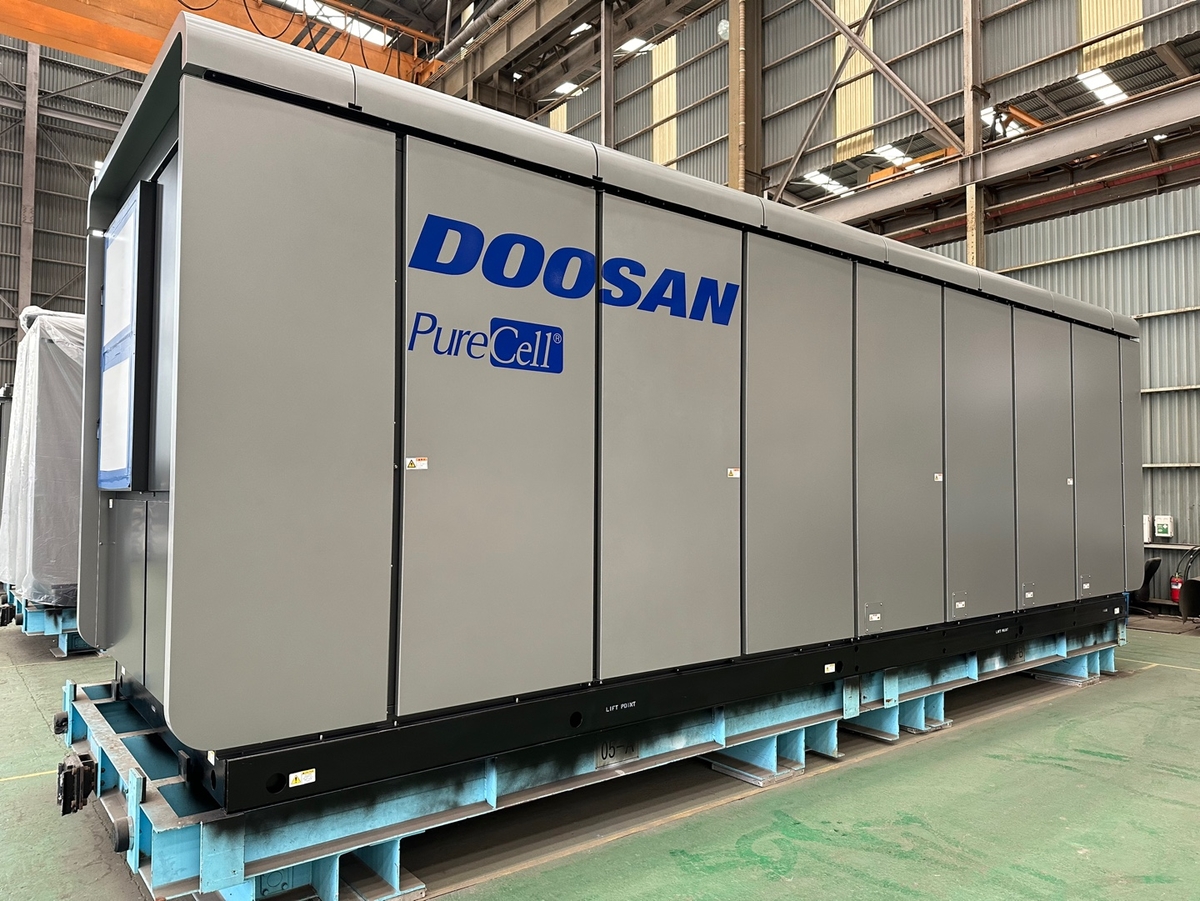
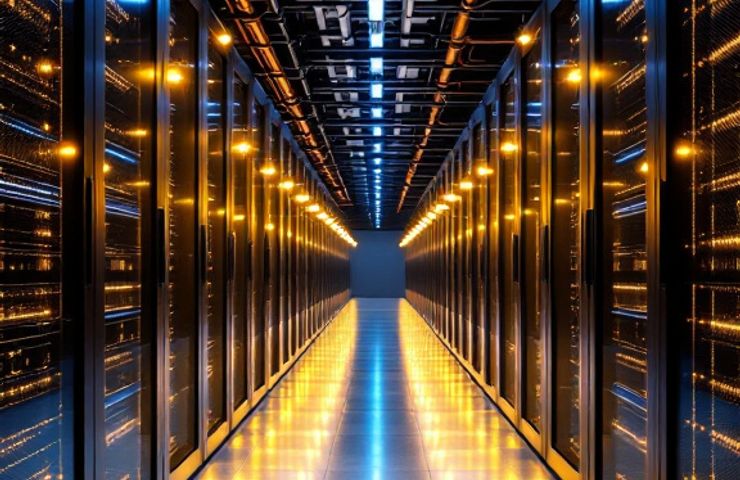
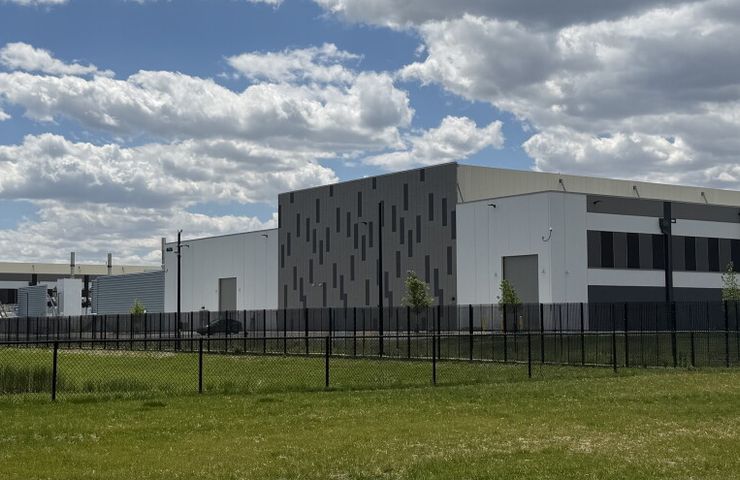
In recent hydrogen news, Doosan Fuel Cell Co., Ltd. has taken a major step into the U.S. hydrogen data centers market by securing a KRW 501.4 billion (around USD 360 million) contract with its U.S. subsidiary, HyAxiom, Inc.. Under the agreement, the subsidiary will deploy phosphoric acid fuel cell (PAFC) systems as behind-the-meter power solutions at artificial intelligence facilities across the United States, with deliveries staged between the second half of 2026 and the first half of 2028.
Background of Doosan Fuel Cell
Doosan Fuel Cell became a public company in late 2019 after Doosan Corporation carved out its fuel cell division and listed it on Korea’s KOSPI exchange. Specializing in stationary fuel cell manufacturing and long-term maintenance services, the company designs and produces both PAFC and solid oxide fuel cell (SOFC) systems. It has built what it describes as Korea’s largest fuel cell factory in Iksan, expanding capacity to roughly 300 MW per year of PAFC output. Over the years, the firm has led landmark domestic projects, including a 50 MW by-product hydrogen power plant in Daesan and multiple 100 MW-scale utility ventures, while also exporting systems to China and, more recently, SOFC stacks to Europe.
HyAxiom's Role in North America
HyAxiom, Inc. serves as Doosan’s U.S. fuel cell arm, handling research, engineering, sales, project execution and long-term service agreements across North America and Europe. Originally formed when Doosan acquired ClearEdge Power’s assets in 2014, this subsidiary has delivered installations such as a 20 MW fuel cell microgrid for a data center in Connecticut. In the new contract, HyAxiom will act as the direct customer for PAFC systems from its parent and then supply, install and service them at undisclosed AI data center operator sites, reflecting its integrator and OEM supplier role rather than serving as a branded data center owner.
U.S. Data Center Market Context
The United States has become a global hub for hyperscale cloud and AI workloads, driving multi-gigawatt power demand and creating local grid constraints in regions like Northern Virginia, Texas and California. Many data center developers face delays in grid upgrades and transmission expansions, prompting interest in modular, on-site power solutions. Fuel cells are emerging as contenders for baseload or firm power, offering continuous operation independent of grid bottlenecks. By configuring systems as microgrids or integrating waste heat into cooling, operators aim to improve energy efficiency while reducing reliance on conventional grid infrastructure.
Phosphoric Acid Fuel Cell Technology
Phosphoric acid fuel cells operate at moderate temperatures around 150–200 °C and use liquid phosphoric acid as the electrolyte. Doosan’s PAFC modules deliver approximately 440 kW each, and can be deployed in parallel arrays to reach tens of megawatts of capacity. If you’re wondering “how do hydrogen fuel cells work,” these systems first reform a hydrocarbon fuel—often natural gas—into a hydrogen-rich stream. At the anode, a catalyst splits hydrogen molecules into protons and electrons. Protons travel through the phosphoric acid electrolyte to the cathode while electrons flow through an external circuit, generating direct current power. Oxygen from air combines with the protons and electrons at the cathode to form water and heat. Power electronics then convert DC to grid-compatible AC, and internal heat recovery can feed absorption chillers or heat pumps for data center cooling.
Significance of the KRW 501.4 Billion Contract
This contract represents around 110% of Doosan Fuel Cell’s previous year revenue, providing crucial scale for its Iksan and Gunsan factories. The order backlog will support manufacturing plant utilization and justify past investments in production lines. Strategically, it marks Doosan’s first large-scale foray into the U.S. AI data center power market, helping to hedge against South Korea’s shifting hydrogen policy that has curbed domestic general hydrogen power generation. By securing a flagship U.S. project, the company signals to investors and analysts that its stationary fuel cell technology can compete in one of the fastest-growing segments of digital infrastructure.
Industry Implications
Doosan’s deal adds to a wave of multi-hundred-megawatt fuel cell commitments in data centers, alongside large agreements from other vendors. As data center power requirements continue to climb, fuel cells—particularly hydrogen-based stationary systems—are moving from niche demonstrations to mainstream consideration. However, adoption still faces hurdles. The net climate impact depends on the fuel source; PAFCs using natural gas reflect limited lifecycle CO₂ reductions unless paired with low-carbon hydrogen or carbon capture. Hydrogen infrastructure and supply chain development remain nascent, and safety, permitting and reliability standards for mission-critical facilities must be navigated carefully.
Broader Policy and Environmental Context
In South Korea, government policy on hydrogen power generation has evolved rapidly, with new regulations tightening general hydrogen quotas and emphasizing certified low-carbon hydrogen. This shift has created uncertainty for domestic stationary fuel cell makers that invested heavily in production capacity. For Doosan, overseas contracts like this U.S. data center deal are increasingly vital to maintain economies of scale and recover past capital spending of around KRW 1 trillion in factory infrastructure. Meanwhile, in the U.S., federal and state incentives for green hydrogen production and hydrogen infrastructure—including funding for hydrogen hubs under the Bipartisan Infrastructure Law—have spurred pilot projects, though broad adoption for data centers remains at an early stage.
Comparison with Other Fuel Cell Deployments
This Doosan–HyAxiom collaboration comes alongside other multi-hundred-megawatt agreements in the data center sector. For instance, FuelCell Energy signed a 380 MW capital equipment deal for AI and cloud facilities, while Bloom Energy has supplied server-cooling integrated fuel cell arrays to commercial data centers. Each vendor offers different technologies—such as PEMFC, SOFC or carbonate fuel cells—with varying efficiency and start-up profiles. PAFC systems offer proven baseload performance and integrated heat utilization, making them well suited to continuous AI workloads where both electricity and waste heat can be valuable.
Longevity and Service Arrangements
Long-term service agreements are critical for data center operators that demand high availability, typically 99.9% uptime or higher. HyAxiom’s scope includes commissioning and multiyear maintenance contracts, covering periodic inspections and stack replacements. Industry reports suggest current stationary fuel cells achieve around 95–97% availability, with continuous improvements expected as component durability and remote monitoring technologies advance.
Looking Ahead
As Doosan and HyAxiom prepare to roll out PAFC installations at U.S. AI data centers, their performance will shape customer confidence and competitive dynamics in the hydrogen infrastructure space. Success could pave the way for further export growth, influencing policy debates on hydrogen supply incentives and data center sustainability. For now, the KRW 501.4 billion contract underscores the potential of green data centers powered by stationary fuel cells and highlights the evolving relationship between Korean technology providers and the global digital economy.