Hydrogen Fuel Cell News: AEP Ohio’s 72.9 MW Solid Oxide Fuel Cell for AWS Clears Local Appeal
AEP Ohio’s 72.9 MW solid oxide fuel-cell project for an AWS campus in Hilliard moves forward after the city withdraws its permit appeal, highlighting shifts in data-center power strategy.
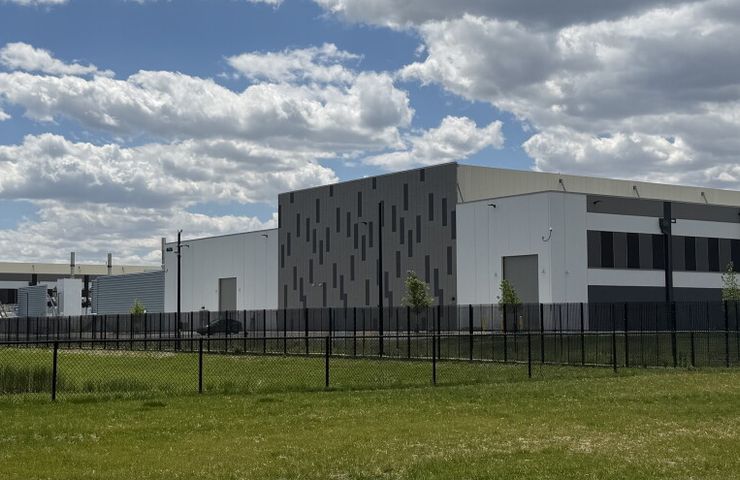
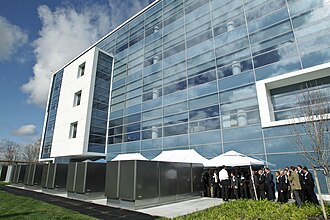
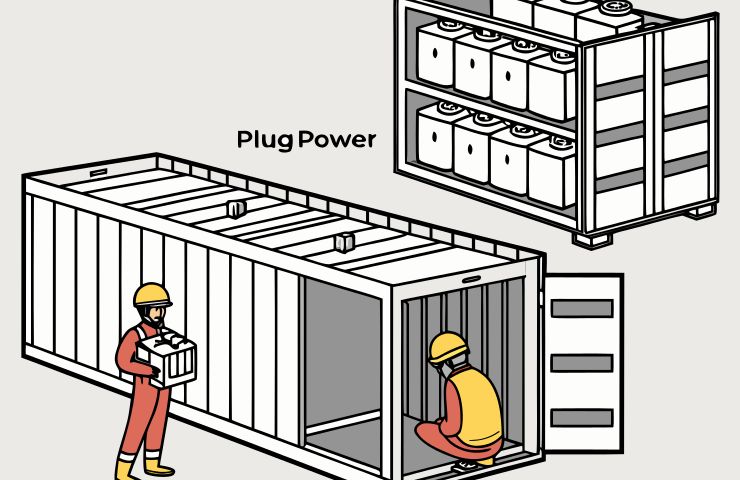
The City of Hilliard, Ohio has decided to drop its appeal against the Ohio EPA’s Permit to Install and Operate for a solid oxide fuel-cell plant that will power the Amazon Web Services data center campus on Scioto Darby Creek Road. This move allows AEP Ohio to kick off the installation of Bloom Energy servers across several acres, providing electric power right on-site. This will help keep pace with the soaring demand from hyperscale operations.
Addressing Local Concerns
Before getting the ball rolling on this project, the utility and equipment supplier ran some air-dispersion modeling, and an independent review confirmed that this process appropriately assessed the expected impacts rather than actual emissions. The preparer of the modeling was identified as Ramboll. This work played a crucial role in easing Hilliard's concerns about air quality, fire hazards, and the city's emergency preparedness, especially since this neck of the woods is quickly becoming a hotspot for data centers.
Reliable Power Supply and Local Benefits
What's particularly noteworthy is that the fuel-cell plant will operate behind the meter. Essentially, this means it will supply electricity directly to AWS without sending any power back to the larger grid. It's a setup that ensures a reliable energy source until those expanded transmission lines are up and running. AEP has mentioned that AWS will cover the project’s costs, including capital equipment and pipeline upgrades, which is a big win for the community.
Regulatory Landscape and Future Outlook
With regulatory authority resting with the Ohio Power Siting Board, the streamlined review process has garnered broad support. Now that both state approval and the EPA permit are in hand, the city recognized that their rationale for challenging this project was no longer valid, so they stepped back from the appeal. As a result, council members are now pushing for better local notices, third-party technical reviews, and more rigorous emergency plans for future onsite energy generation projects.
Looking at the Bigger Picture
This initiative fits into a broader trend where data centers are increasingly turning to modular solid oxide fuel cells to meet their pressing demand for reliable energy. Right now, the design relies on natural gas and does emit some carbon dioxide. However, AEP has pointed out that there currently isn’t a commercially viable source for hydrogen or biogas. This highlights the ongoing discussions surrounding emissions reductions and the pressing need for energy technologies that are built to last.