Fuel-Cell Trucks Poised to Drive a Six-Million-Ounce Platinum Demand Surge
Valterra Platinum projects that if hydrogen fuel-cell trucks capture 20% of the global heavy-duty fleet at current catalyst loadings, platinum demand could rise by six million ounces annually in a scenario estimate.
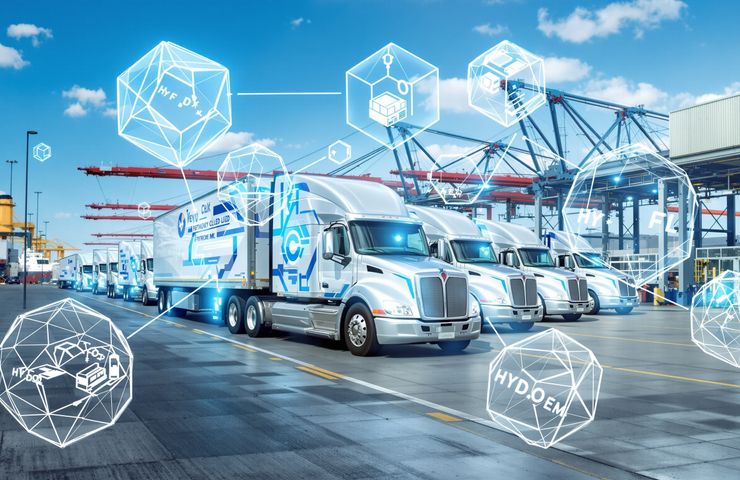
Valterra just shared a pretty eye-opening estimate: if hydrogen trucks were to snag just one-fifth of the global heavy-duty fleet, we could see an extra six million ounces of platinum each year, based on today’s loading levels. Sure, this isn’t set in stone, but it definitely shows how hydrogen energy news is evolving, moving from passenger vehicles into the realm of freight logistics.
A Big Opportunity on the Road
Valterra pointed out that this scenario relies on capturing 20% of the global truck fleet. With the current platinum catalyst loadings per fuel-cell stack, we're talking millions of ounces of platinum needed annually. And here’s the kicker: heavy-duty trucks actually use way more catalyst than regular cars. This whole shift in demand could reshape the market, taking platinum beyond just autocatalysts and jewelry and steering it firmly into the clean hydrogen space, which is something that’s got miners, investors, and transport operators all paying attention.
Why Heavy Trucks?
So, why is the focus on heavy trucks? Well, hydrogen fuel cells are stepping into areas where batteries tend to struggle—think long distances, quick refueling, and heavy loads. A fuel-cell electric drivetrain can refuel in minutes, making it perfect for routes that require lots of reliability. Freight operators are eager for solutions to ditch diesel emissions without sacrificing range or load capacity. Plus, combining a fuel-cell stack with a small battery helps with regenerative braking and gives a nice boost during acceleration. It’s a smart way to tackle the needs of long-haul and high-utilization fleets.
China Leads the Charge
In China, we’re already seeing some serious hydrogen infrastructure popping up around places like Tianjin and key ports in the Beijing-Tianjin-Hebei and Yangtze River Delta. Reports show there are multiple fleets of hydrogen fuel-cell heavy trucks cruising around, thanks to companies in steel production, logistics, and energy distribution. While the exact number of trucks varies, analysts say we’re looking at dozens to hundreds already in pilot programs and commercial rollouts. This early momentum is paving the way for wider adoption, especially with supportive policies and local refueling capabilities cropping up. All of this sets the stage for that ambitious 20% global share we keep hearing about.
Platinum’s Secret Sauce
The magic behind this whole transition? The proton-exchange membrane (PEM) fuel cell. It works like this: hydrogen goes into the anode side, where platinum catalysts break it down into protons and electrons. The protons move through the membrane, while the electrons generate electricity. At the cathode, platinum kicks in again, speeding up the conversion of oxygen back into water. By stacking dozens or even hundreds of these membranes together, we can generate the megawatts needed to move heavy freight. It’s that platinum loading per stack that’s crucial for fuel-cell performance and makes it likely for large truck fleets to become significant platinum consumers.
Challenges on the Highway
Of course, it’s not all smooth sailing. For this scenario to become reality, we really need to ramp up hydrogen production, distribution, and refueling infrastructure pretty quickly. The emissions across the lifecycle vary a lot depending on how the hydrogen is produced: fossil-derived hydrogen only provides modest CO₂ reductions, while green hydrogen from renewables can bring about more substantial cuts. Costs are still a barrier, whether we’re talking about hydrogen or platinum catalysts. And with rival battery-electric trucks and hybrid options on the market, operators will need to think carefully about the total cost of ownership, energy prices, and what policies are in place before diving in.
Built for the Future
To make the most impact, both platinum producers and fuel-cell tech developers are laser-focused on reducing the amount of catalyst needed, boosting stack durability, and enhancing overall efficiency. Innovations in catalyst design, membrane materials, and cell layout are all on the table to help lower platinum content per kilowatt while still delivering high performance over tens of thousands of hours. This ongoing R&D effort could help stretch our limited precious metal supplies further, making large-scale truck deployments financially viable as demand continues to grow.
Bottom line, this look ahead from Valterra Platinum really drives home that hydrogen fuel news isn’t just about cars anymore. Heavy-duty freight offers a golden opportunity for both platinum and green hydrogen production. If we can keep up with policy frameworks, refueling networks, and hydrogen supply chains, we’re looking at a future where fuel-cell trucks could swap traditional demand drivers aside and reshape the platinum market for a long time. Sure, there will be challenges ahead, but the path toward industrial decarbonization has never been clearer—exciting times are coming!