Hydrogen Fuel Cell News: FuelCell Energy Q3 Revenues Decline 29% as Scale-Up Costs Persist
FuelCell Energy posted Q3 revenue of $33M (-29% YoY) and a $45M loss as scale-up weighs on margins. It’s pivoting to hydrogen data centers and hubs, eyeing positive EBITDA by late FY2027.
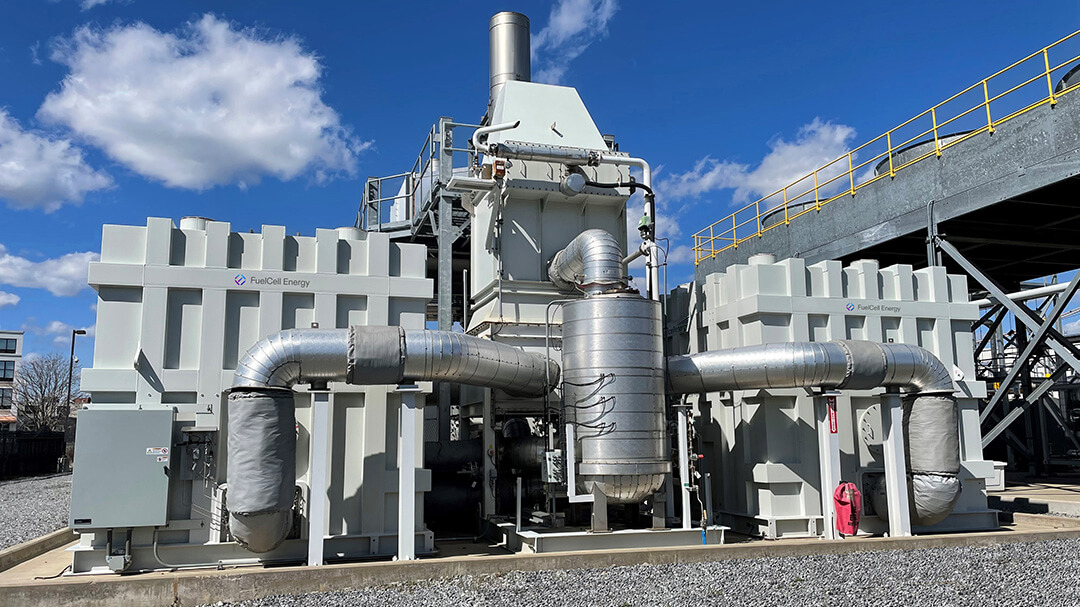
FuelCell Energy, Inc., based in Danbury, Connecticut, just released its third-quarter results, and the numbers tell an interesting story. They reported revenue of around $33 million, but unfortunately, they also faced a net loss of nearly $45 million, which breaks down to about $0.64 per diluted share. That’s a 29% drop in revenue compared to the same quarter last year, and it all boils down to reduced deliveries of their molten carbonate and solid oxide fuel cell systems, slumping power generation sales, and inventory write-downs as they ramp up their hydrogen platforms. With margins feeling the squeeze, the company is now pivoting its technology to target emerging areas like hydrogen data centers and federal hydrogen hubs.
Core Factors Behind the Q3 Results
The drop in revenue can mostly be traced back to the timing of deliveries for their multi-megawatt modules. For instance, FuelCell Energy just wrapped up a significant repowering project at the Gyeonggi Green Energy Park in South Korea, which meant fewer shipments this quarter. Domestic generation sales also took a hit since various utility-scale plants, including some in Connecticut, were under maintenance or getting performance upgrades. Plus, those inventory write-downs and purchase commitment charges further weighed down their gross profit, leaving them with negative margins at current production levels.
On the bright side, they did manage to improve per-share losses substantially—from around $3.78 last year to $0.64 this quarter. However, they’re still grappling with a fundamental issue: high capital and overhead costs that outpace the contracted pricing for both their molten carbonate (MCFC) and solid oxide (SOFC/SOE) platforms. Analysts suggest they need to ramp up production volume and tighten cost controls if they want to shift those margins toward break-even.
Molten Carbonate and Solid Oxide Technology Update
At the core of FuelCell Energy's technology are their SureSource MCFC systems, which operate using a molten alkali carbonate electrolyte at temperatures between 600–700 °C. Essentially, oxygen and CO₂ react at the cathode with electrons, creating carbonate ions that travel to the anode, where they oxidize hydrogen-rich fuel into water, CO₂, and electricity. These modular stacks come packed with reformers and water management systems, allowing them to run on natural gas, biogas, or hydrogen blends, while delivering impressive electrical efficiency and reducing emissions of NOₓ, SOₓ, and particulates. Plus, their waste heat capture technology lets them offer combined heat and power solutions, which is great for industrial sites and universities.
On the other hand, their reversible SOFC/SOE platform utilizes a dense ceramic electrolyte, like yttria-stabilized zirconia, at temperatures above 700 °C. In fuel cell mode, it generates electricity from hydrogen or syngas, and in electrolysis mode, it splits water (and optional CO₂) into hydrogen and syngas, using external heat sources—possibly from nuclear or waste avenues—to boost hydrogen production efficiency. A significant milestone worth mentioning is that the U.S. Department of Energy has recognized their SOE technology in two federally funded hydrogen hubs, spotlighting its importance in the clean hydrogen production landscape.
Shifting Toward Hydrogen Data Centers and Hubs
With traditional power projects struggling to provide attractive margins, FuelCell Energy is now eyeing sectors where customers prioritize reliable, low-carbon power along with hydrogen by-products. They’re pushing their systems for hydrogen data centers, offering dependable baseload power and on-site hydrogen co-production to assist in cooling systems or fueling their fleets of fuel cells.
Simultaneously, the company is establishing partnerships within proposed hydrogen hubs—these regional centers aim to integrate renewable hydrogen production, storage, and offtake under the federal Regional Clean Hydrogen Hub program. Collaborations with the likes of ExxonMobil on carbon capture, Toyota for tri-generation solutions, and Korea Hydro & Nuclear Power focused on nuclear-assisted electrolysis aim to showcase diverse applications—everything from power and heat to hydrogen for transport and industrial uses.
Financing, Backlog and Profitability Outlook
Even though revenue climbed to $158.2 million in the last fiscal year (a nice 41% leap), FuelCell Energy is still treading water when it comes to profitability. They’ve tapped into capital through equity offerings and lean heavily on project financing for major installs. Their management has set an ambitious target of reaching positive adjusted EBITDA by late fiscal 2027, hinging on converting a hefty multi-gigawatt proposal pipeline into solid power purchase or offtake agreements. They currently have a multi-billion-dollar backlog, but not all of those projects are locked in, and there’s always a bit of uncertainty about timing. Analysts do remind us, though, that execution risks remain high, especially when it comes to supply chain issues, quality control at scale, and locking down long-term hydrogen project financing under favorable terms.
Competitive Positioning
FuelCell Energy is facing more competition now than ever from battery storage providers and other alternative clean solutions. With lithium-ion and flow batteries making strong headway alongside renewables, offering quick setups and lower upfront costs, the landscape is evolving rapidly. At the same time, other fuel cell manufacturers are diving into proton exchange membrane (PEM) technology, which is tailored for quick start-stop applications. FuelCell Energy's high-temperature platforms focus on continuous, high-capacity output while providing multiple value streams—electricity, heat, hydrogen, and CO₂ capture. Scoring economies of scale and securing long-term contracts will be vital for safeguarding their competitive edge.
Environmental, Policy, and Market Dynamics
The emissions profile of FuelCell Energy’s platforms pairs nicely with intermittent renewables. For instance, where biogas resources are available, MCFC plants can turn methane into electricity instead of flaring it, contributing to local decarbonization efforts. But let’s not sugarcoat it: most installations still rely on pipeline natural gas, which raises some life-cycle emissions concerns until low-carbon hydrogen feedstocks become the norm.
Project bankability often rides on supportive policies—think Connecticut’s renewable portfolio standard and long-term PPA framework, South Korea’s Clean Hydrogen Portfolio Standard, and U.S. federal hydrogen hub subsidies. Any shifts in policy or permitting delays could throw a wrench in their plans. Meanwhile, alternative clean firm solutions, like battery storage combined with renewables or emerging long-duration storage tech, are gunning for those same data center and industrial applications.
Where the Path Leads
This quarter’s results shed light on the fact that scaling stationary fuel cell technology is still a heavy lift in terms of capital and operational challenges. While FuelCell Energy’s dual MCFC and SOFC/SOE platforms show promise in firm power and hydrogen production categories, the company now needs to show it can deliver consistently, manage costs tightly, and gradually improve margins. It’s critical for them to lock down long-term hydrogen and power offtake agreements and ramp up manufacturing efficiency to validate the investment thesis while supporting future growth.
About the Company
FuelCell Energy, Inc. is a clean energy tech company that designs, manufactures, installs, and services stationary molten carbonate and solid oxide fuel cell power platforms. Founded back in 1969 as Energy Research Corporation and rebranded in 1999, they’ve set up multi-megawatt fuel cell parks across the globe, including a 14.9 MW site in Bridgeport, Connecticut, and a 59 MW park in Gyeonggi Province, South Korea. They cater to utilities, municipalities, universities, hospitals, and industrial clients, focusing heavily on hydrogen hubs, data centers, and carbon capture applications.