hydrogen fuel cell news: Plug Power expands GenKey, leading the charge in small warehouse fleets
Plug Power has brought its GenKey turnkey hydrogen fuel cell solution to small warehouse fleets, integrating GenDrive power units, GenFuel infrastructure and GenCare service under one contract. This expansion opens green hydrogen to operations representing over 25% of U.S. forklifts, promising fast refuels, significant cost savings and a new step in industrial decarbonization.
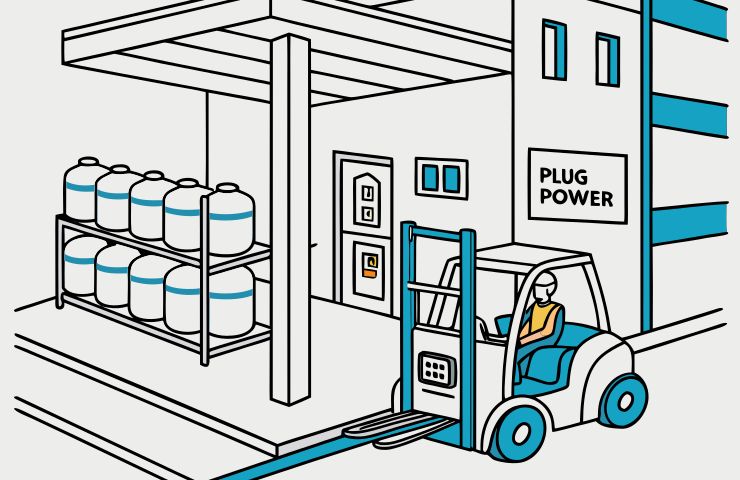
Across bustling logistics hubs, from the heart of the country to busy coastal ports, there's a quiet revolution transforming how warehouses power their fleets. Picture this: electric forklifts that used to take hours to recharge can now pull up, fill up, and be back in action in under five minutes—thanks to the magic of hydrogen technology. Plug Power, a trailblazer in hydrogen fuel cell solutions based in the U.S., is at the forefront of this shift, expanding its innovative GenKey system to smaller operations. This means that even businesses with fewer than 100 electric forklifts can dive into a fully integrated green hydrogen ecosystem, boosting productivity, cutting costs, and making significant environmental strides that previously seemed only possible for larger operations.
Empowering Smaller Fleets with Turnkey Green Hydrogen
Not too long ago, a turnkey hydrogen fuel cell solution was something only massive distribution centers could consider—places with fleets numbering in the hundreds that could justify the hefty investment in on-site production and storage. But with the evolution of GenKey, that’s all changed. Now, by adjusting system size, modular infrastructure, and commercial terms, Plug Power caters to a segment that makes up more than 25% of all forklifts sold in the U.S. Warehouses that once faced sky-high costs, red tape, and complex operations can now easily order everything—right from fuel cells to fuel and service—under one contract. This strategic shift not only opens up the market but also speeds up the move to cleaner power for small and mid-sized logistics operations—talk about shaking things up in hydrogen news!
How GenKey Unpacked Hydrogen Infrastructure
So, what exactly is GenKey all about? It combines three essential modules. First up is GenDrive, which consists of polymer electrolyte membrane fuel cell power units that fit right into existing electric forklifts. This means there’s no need to swap out entire fleets! Unlike batteries, these fuel cells deliver a steady voltage all shift long, which is a game-changer—especially for cold-storage or high-cycle environments. Next in line is GenFuel, a complete hydrogen storage and refueling station that comes with modular tanks, compression systems, and dispensers that are safety-certified. Whether it’s set up outdoors or inside a dedicated area, these installations are made for quick permitting, minimal space use, and smooth integration into warehouse layouts. Hydrogen arrives in tanker trucks from Plug Power’s own green hydrogen production plants or through an efficient hub-and-spoke network that supplies multiple sites. And last but not least, we’ve got GenCare, which throws in service and remote monitoring features. Think predictive analytics, scheduled maintenance, and swift repairs to ensure maximum uptime. Operators can keep an eye on fuel levels, system performance, and maintenance alerts via user-friendly dashboards. Managing hydrogen infrastructure has never been easier!
Real-World Impact: Case Study Highlights
Some early adopters have already put this enhanced GenKey system through its paces. One major cold-storage network in the Mid-Atlantic has outfitted its main warehouse with over 40 GenDrive fuel cell lifts, supported by two indoor hydrogen dispensers and outdoor storage tanks. A neighboring facility tapped into the same fuel supply thanks to a hub-and-spoke setup, adding nine more fuel cell trucks without needing a separate refueling station. Plug Power reports that these implementations have led to noticeable gains in shift productivity and equipment availability. In places where battery power can drop by up to 40% in frigid temperatures, users are noting that fuel cell forklifts keep consistent performance, even during back-to-back shifts. While the exact uptime and productivity numbers are based on company reports, Plug Power claims its fuel cell systems have racked up over a billion hours of operation globally, highlighting their reliability and maturity.
Unlocking Cost and Environmental Benefits
When it comes to the numbers, the economics behind GenKey are impressive. Plug Power estimates customers can save over $260,000—and in some cases, even reach up to $1 million—annually compared to traditional lead-acid battery systems. These savings come from reduced labor costs related to battery swapping, eliminating the need for battery room infrastructure, and lower electricity bills by switching to competitively priced green hydrogen. Plus, the modular design of GenKey allows operators to scale up or down based on demand, sidestepping the pitfalls of oversized systems. From an environmental standpoint, hydrogen fuel cell forklifts emit only water vapor at use and avoid the hazardous waste issues tied to lead-acid batteries. When hydrogen is produced through renewable-powered electrolysis, each refuel can drastically cut greenhouse gas emissions compared to grid-charged batteries in many areas, further aiding warehouses in meeting their sustainability goals.
Scaling a Green Hydrogen Ecosystem
This movement towards smaller fleets is a crucial part of Plug Power’s broader vision for a vertically integrated green hydrogen production and distribution network. With multiple hydrogen production sites already operational, Plug Power not only provides fuel for GenKey customers but is also building a sprawling network of refueling stations across North America and Europe. They’ve teamed up with logistics giants like STEF/Blue EnerFreeze and Toyota Material Handling, aiming to deliver complete hydrogen ecosystems to European distribution centers. This partnership strategy is proving the model across different regulatory and operational landscapes. By bundling fuel cells, hydrogen supply, and service, Plug Power secures recurring revenue streams and lays the groundwork for hydrogen to stand shoulder-to-shoulder with batteries in material handling and other industrial applications.
A Glimpse into the Future of Industrial Decarbonization
As warehouses worldwide tackle rising energy costs, operational hurdles, and decarbonization mandates, hydrogen fuel cell technology is ready to step in as a powerful alternative. The expanded GenKey solution not only lowers the entry barriers for small and mid-sized fleets but also sparks a broader hydrogen storage and refueling infrastructure network. With tens of thousands of potential trucks in this newly reachable segment, every installation hints at a future where quick refuels, zero-emission power, and modular infrastructure are the norm in logistics. Industry analysts are already weighing in on the hydrogen fuel cell vs battery electric conversation, noting that while each powertrain has its strengths, hydrogen thrives in high-cycle, fast-turn environments, while batteries excel in lower-cycle, shorter shift settings. By carving out this niche, GenKey is shining a spotlight on where hydrogen vehicles and hydrogen refueling stations will flourish within the broader logistics and clean energy landscape. As this momentum continues to grow, we’re looking at an exciting future—one where technology providers, industry stakeholders, and innovative operators come together to write the next chapter in sustainable material handling.