Toyota’s Removable Cartridge Scooter Sparks a Game-Changer in Urban Mobility
Toyota’s patent for a hydrogen fuel cell scooter with swappable cartridges promises seconds-long refueling, zero tailpipe emissions and a leap forward for sustainable urban micro-mobility.
Picture this: you're zipping through the crowded streets on a shiny scooter that never needs a long charging session—just swap out the empty cartridge and you're off in no time. That’s the exciting vision Toyota Motor Corporation has in mind with their freshly filed patent for a groundbreaking hydrogen fuel cell scooter. This innovative concept aims to tackle one of the biggest challenges in the world of electric micro-mobility—those frustratingly long charging times—by offering riders a quick and convenient refill experience that feels just like stopping for gas.
A New Era for Urban Mobility
In many bustling cities across Asia and Europe, two-wheelers are absolutely essential for daily commutes and delivery services. But here’s the catch: today’s electric scooters often take a good chunk of time—sometimes 30 minutes or even longer—on a fast charger just to regain a decent range. And let’s be honest, in certain neighborhoods, those rapid charging stations can be hard to come by. Toyota’s fresh take flips that model on its head: with this design, riders can swap an empty hydrogen cartridge for a full one in just a few seconds. This means less downtime and more time on the road, a total win for urban transportation! Plus, it fits perfectly into Toyota's long-term vision of hydrogen being a crucial part of their decarbonization strategy, along with hybrids and battery electric vehicles, building on the success of innovations like the Prius and the Mirai.
Fast, Clean Refueling with Removable Cartridges
The magic happens with standardized, high-pressure hydrogen cartridges nestled low in the scooter’s design. Each cartridge hooks up to a compact fuel cell stack, where hydrogen meets oxygen to kickstart the electricity flow, with the only byproduct being harmless water vapor. When a cartridge runs low, the rider simply triggers a latch and slides it out or lifts it gently using a handy scissor arm. A fresh cartridge pops right in within seconds—no need for those bulky high-pressure dispensers at the curbside.
What’s going on behind the scenes? Well, centralized refilling stations are busy compressing hydrogen—ideally sourced from renewable resources through electrolysis—and refilling cartridges while following strict safety measures. These hubs then redistribute fully-loaded cartridges to local exchange points, operating similarly to the existing LPG cylinder networks we see today. By entrusting the high-pressure stuff to the pros, this model aims to make hydrogen access straightforward while keeping safety at the forefront.
Engineering Innovation Under the Frame
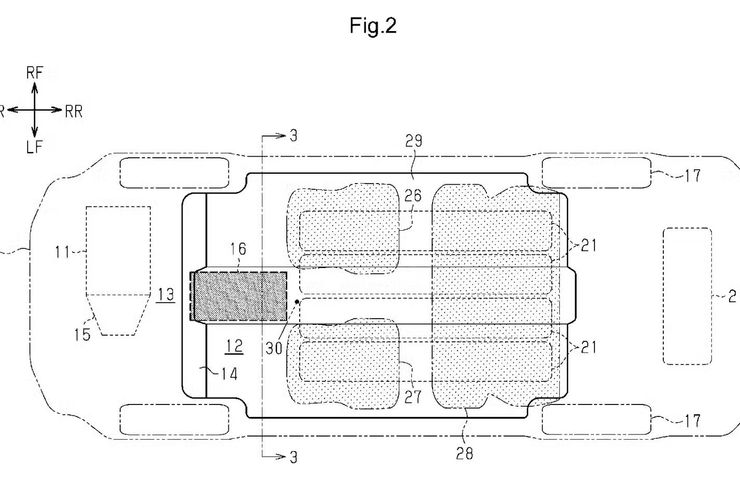
Fitting a complete fuel cell powertrain into a scooter frame required some clever engineering. Toyota's patent details two extraction methods—lateral sliding rails and hinge-driven scissor arms—that tackle the challenges posed by low ground clearance and protective body panels. The diagrams in their patent show how they’ve strategically positioned the fuel cell stack for optimal airflow and heat release and used lightweight materials to ensure durability without sacrificing agility. They've even included a small auxiliary battery or capacitor to help with power delivery during quick accelerations and to capture energy from regenerative braking.
Collaborations and Strategic Partnerships
Toyota’s scooter idea is part of a wider network of collaborations spanning industry, research, and government. They've run portable-cartridge trials with Japanese utilities, testing the logistics of refilling, the tech behind compressors, and safety protocols. There’s a wealth of potential partners out there, from energy distributors and equipment makers to urban mobility platforms keen on building a smooth cartridge exchange network. Plus, European research groups are pushing the limits on hydrogen storage materials and safety guidelines, which could definitely shape the next generation of cartridge designs and protocols.
Building a Broader Hydrogen Ecosystem
The real magic of this approach isn’t just about the scooter itself. It’s about creating a whole ecosystem. Operators at exchange points could earn steady income from renting or offering subscription plans for cartridges, much like current battery-swapping services. Meanwhile, those centralized hubs could benefit from economies of scale in hydrogen compression and safety checks, while localized stations would conveniently bring refueling services closer to riders. If these centers start tapping into green hydrogen produced through renewable electrolysis, the lifecycle CO₂ emissions could drop significantly, potentially beating even gasoline scooters and battery-electric models that are charged off mixed-energy grids.
Economic Viability and Business Models
Getting a hydrogen cartridge network off the ground will require some serious investment in production lines, safety systems at refilling hubs, and a solid distribution strategy for exchange points. But the payoff could be huge, with a revenue model based on recurring cartridge leases or subscriptions, along with fees for each swap. History shows us that operations with high utilization—like urban delivery fleets—can balance out those higher upfront energy costs thanks to improved vehicle uptime. And if green hydrogen production becomes cheaper due to expanding renewable sources and better electrolyzer tech, the total cost of ownership for fuel cell scooters might even compete with, or beat, battery-electric alternatives, especially in areas where grid charging can be unreliable or pricey.
Environmental and Societal Benefits
Switching to hydrogen fuel cell scooters with replaceable cartridges could be a game-changer for urban areas trying to battle air pollution. Two-wheeled vehicles are notorious for pumping out NOₓ and particulate emissions in many cities, so replacing them with zero-emission scooters would greatly support public health and air quality efforts. Plus, the modular cartridge system promotes a circular economy: spent cartridges go back to refilling centers for maintenance and safe recharging, creating new green jobs in manufacturing, distribution, and retail. Communities with cartridge exchange stations could also see economic benefits, like attracting new businesses, reducing noise pollution, and paving the way for cleaner, quieter streets—all of which contribute to an improved urban lifestyle.
Technical and Regulatory Hurdles
Of course, it’s not all smooth sailing. Consumer-grade hydrogen cartridges come with a set of technical and regulatory challenges. The containers have to be made of high-strength materials and include pressure relief valves and sensors to keep things safe. We might also need updates to transport and building codes to manage these portable high-pressure units as they roam through urban neighborhoods. And on the vehicle side, ensuring safety during crashes, handling vibrations, and keeping everything hydrogen tight while staying within weight and cost limits is a tall order. It might take industry groups to come together and agree on common specs for pressure levels, valve interfaces, and safety mechanisms, similar to what’s been done for electric vehicle charging standards. Plus, policymakers will need to set guidelines for certification, labeling, and end-of-life processes for these cartridges.
Looking Ahead: A Glimpse into the Future
Even though this concept is still in the patent phase, Toyota's removable cartridge scooter suggests a future where clean hydrogen mobility is as commonplace as bottled gas, and refueling becomes as easy as grabbing a quick cup of coffee. The miniaturization advancements required could pave the way for similar innovations in robotics, portable power tools, and small industrial machines. On a larger scale, this idea aligns perfectly with national hydrogen strategies in places like Europe and Japan, which are calling for demonstration projects in new mobility sectors. As more cities grapple with grid limitations and seek out routes to net-zero transport, this pioneering model of sustainable micro-mobility might just lead the charge. While Toyota often patents their concepts early, and we don’t yet have a clear timeline for when we might see this hit the market, the design certainly offers an enticing look at what the future of mobility could be.