Hydrogen Fuel Cell News: Toyota to Join cellcentric as Equal Shareholder with Daimler Truck and Volvo Group
Toyota will join the fuel-cell joint venture cellcentric as an equal shareholder alongside Daimler Truck and Volvo Group, aiming to bolster industrial scale, reduce costs, and accelerate hydrogen fuel cell adoption for heavy-duty vehicles.
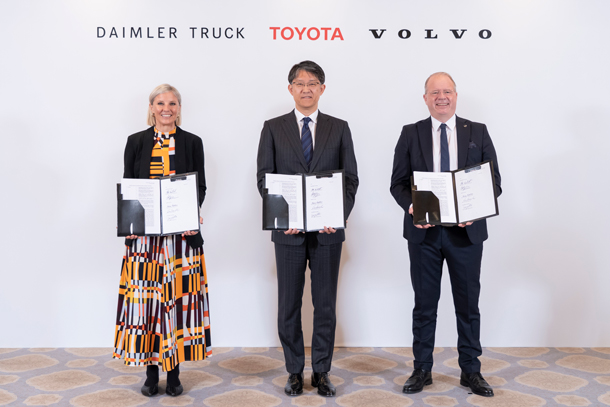
Have you ever thought about whether hydrogen fuel cells are finally going to take off in the heavy-duty transport world? Well, Toyota Motor Corporation just made a big move by signing a binding agreement to join cellcentric, teaming up with Daimler Truck AG and Volvo Group as equal partners. If all the regulatory approvals go smoothly, this deal should wrap up by late 2026 or early 2027, marking a significant milestone for hydrogen infrastructure and decarbonizing industrial transport.
Pooling Expertise to Scale Fuel Cell Technology
cellcentric kicked off in 2021 as a 50:50 joint venture between Daimler Truck and Volvo, created to boost fuel-cell systems tailored for heavy-duty trucks and other demanding uses. By bringing Toyota into the fold, cellcentric is looking to supercharge its research and development in hydrogen fuel cells while ramping up production capacity. Toyota’s got decades of experience in fuel-cell unit cells and stack integration, and that expertise perfectly complements what its new partners bring from their truck-making background.
Why Three Is Better Than Two
Now, when it comes to heavy-duty applications, there are a few hurdles that just won’t quit: high startup costs, limited green hydrogen availability, and hit-or-miss refueling stations. But by sharing development costs and leveraging each other's strengths, they can make those economies of scale work in their favor. Toyota isn’t just here for financial reasons; this aligns nicely with its long-standing hydrogen strategy that already covers fuel-cell systems for heavy-duty trucks, buses, and stationary power setups. And Daimler Truck and Volvo can tap into Toyota's solid manufacturing practices and global reach, which might help lower the overall cost of owning hydrogen-powered fleets.
Technology at the Core
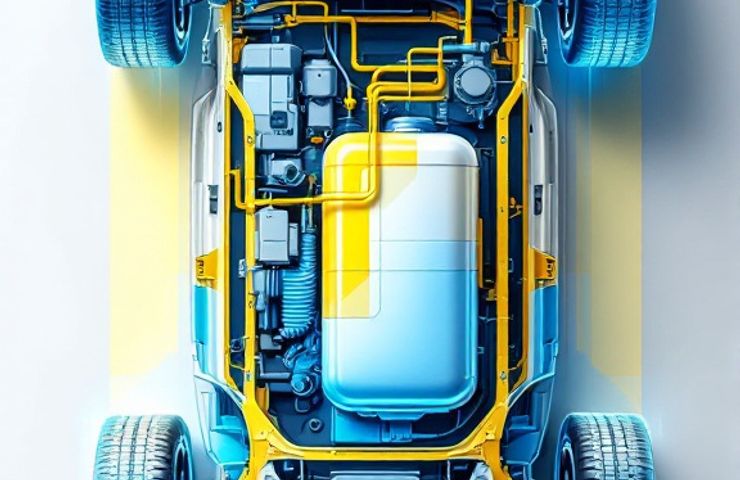
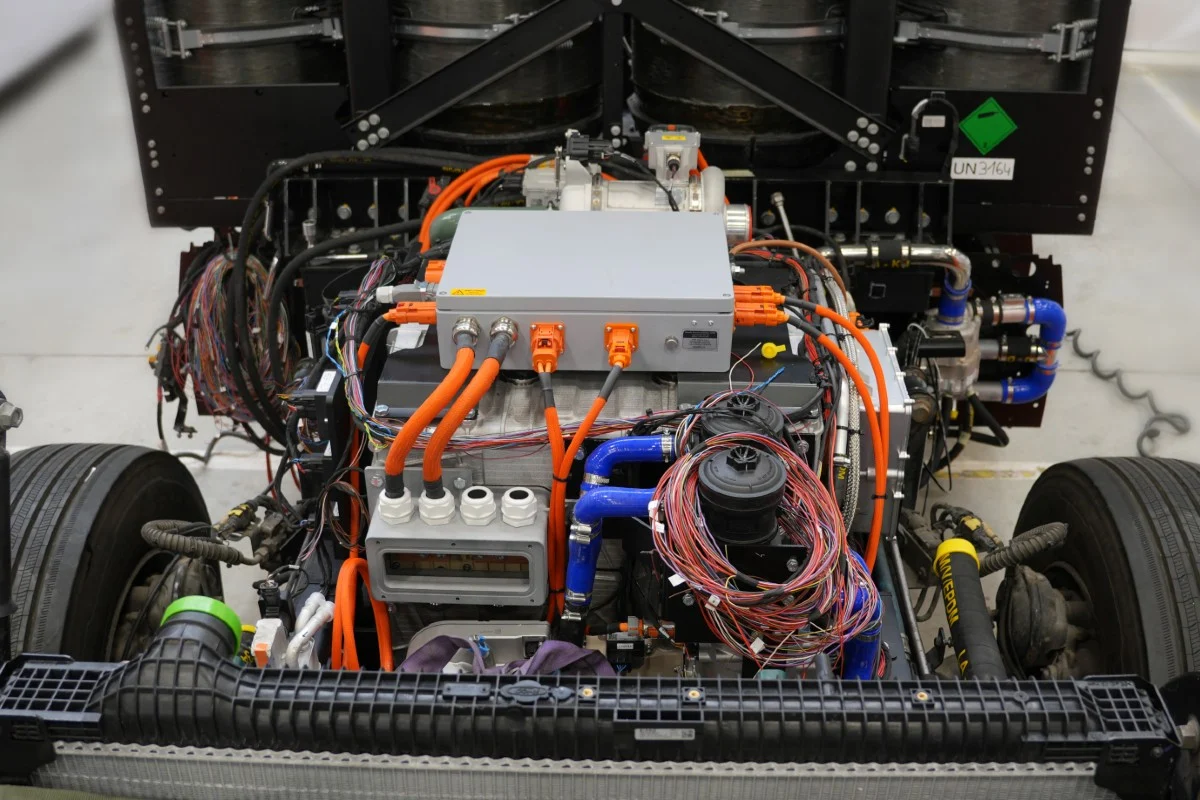
So, how do hydrogen fuel cells work, you ask? Essentially, hydrogen stored on board interacts with oxygen within a stacked arrangement of unit cells. Every unit cell cranks out a small amount of voltage, so they combine hundreds or even thousands of them to power a heavy-duty electric motor effectively. The system involves a bunch of components—compressors, thermal management, power electronics, and control software—keeping everything safe and sound under real-world conditions. Right now, cellcentric’s already got pilots on fuel-cell systems like the BZA150 and the next-gen BZA375, and with Toyota stepping in, they’re set to speed up improvements in areas like catalyst use, durability, and manufacturing efficiency.
Business Implications and Market Dynamics
This revamped partnership sends a strong signal that big original equipment manufacturers are still banking on hydrogen as a key path to decarbonization in long-haul trucking. Battery-electric trucks have made impressive strides on shorter routes, but when it comes to heavy loads and fast refueling, fuel cells still hold their ground. The good news is that hydrogen production costs are on the decline as electrolysis technology scales up, and supportive policies in Europe are pushing for hydrogen refueling stations along major transport routes. Of course, there are still challenges ahead, like securing low-carbon hydrogen, financing infrastructure projects, and convincing fleet operators that hydrogen can stack up against diesel or battery-electric costs.
By expanding the shareholder base, cellcentric will likely have better access to capital and industrial networks. A one-company venture might run into resource limitations, but this three-way alliance could help spread the risk and allow the partnership to weather the slow early stages of commercialization. For anyone keeping an eye on clean hydrogen news, this move underscores how industry consolidation can be a key driver for project financing and supplier stability.
Context in a Decade-Long Race
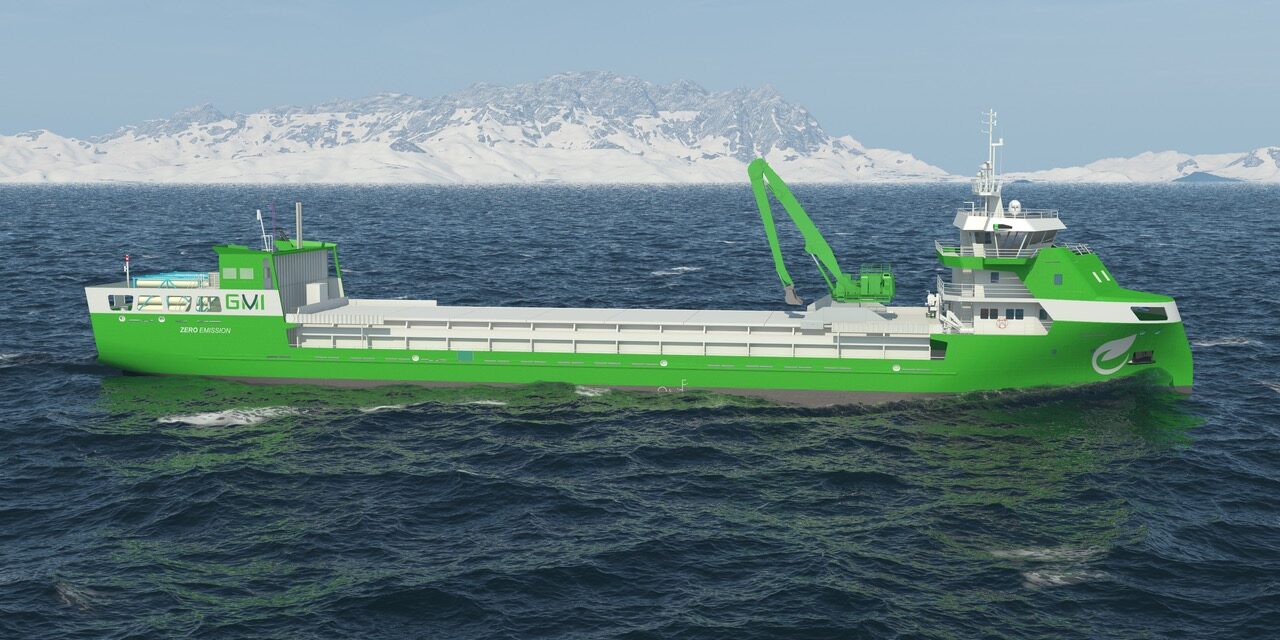
Since the early 2010s, Toyota has been out in front when it comes to passenger fuel cell vehicles, while Daimler Truck and Volvo have been investing in heavy-duty prototypes. The creation of cellcentric in 2021 made perfect sense—it focused fuel-cell R&D into a dedicated industrial platform rather than letting it sit as an afterthought. Now, with Toyota joining the mix, the alliance spreads across multiple continents and various applications: from road trucks to marine vessels, rail, and even stationary generation. This reflects a belief that integrated hydrogen ecosystems—covering everything from production to storage to distribution—need to evolve alongside vehicle technology.
Looking Ahead
The cellcentric model is set to stay independent and autonomous, allowing each partner to compete in other business areas. For those following hydrogen energy news, the important takeaway is this isn’t just a merger of truck makers. Instead, it’s a focused effort to push heavy-duty fuel-cell systems closer to industrial scale. If all goes according to plan, we could see pilot production ramping up in Germany’s Baden-Württemberg region, using sites in Kirchheim/Teck, Esslingen, and Stuttgart.
Ultimately, success hinges on more than just those stacked cells. Affordable green hydrogen, supportive policies, and a well-structured refueling network will be just as critical. But by combining solid hydrogen expertise with robust truck-manufacturing roots, this new three-way cellcentric alliance stands a much better chance of changing the game in heavy-duty transport with zero-emission technology.