EKPO and Akkodis Launch 360 kW Heavy-Duty Fuel Cell Truck
EKPO and Akkodis are integrating a 360 kW NM20 PEM fuel cell into a 40-tonne truck in Germany, testing zero-emission heavy-duty performance under real-world logistics.
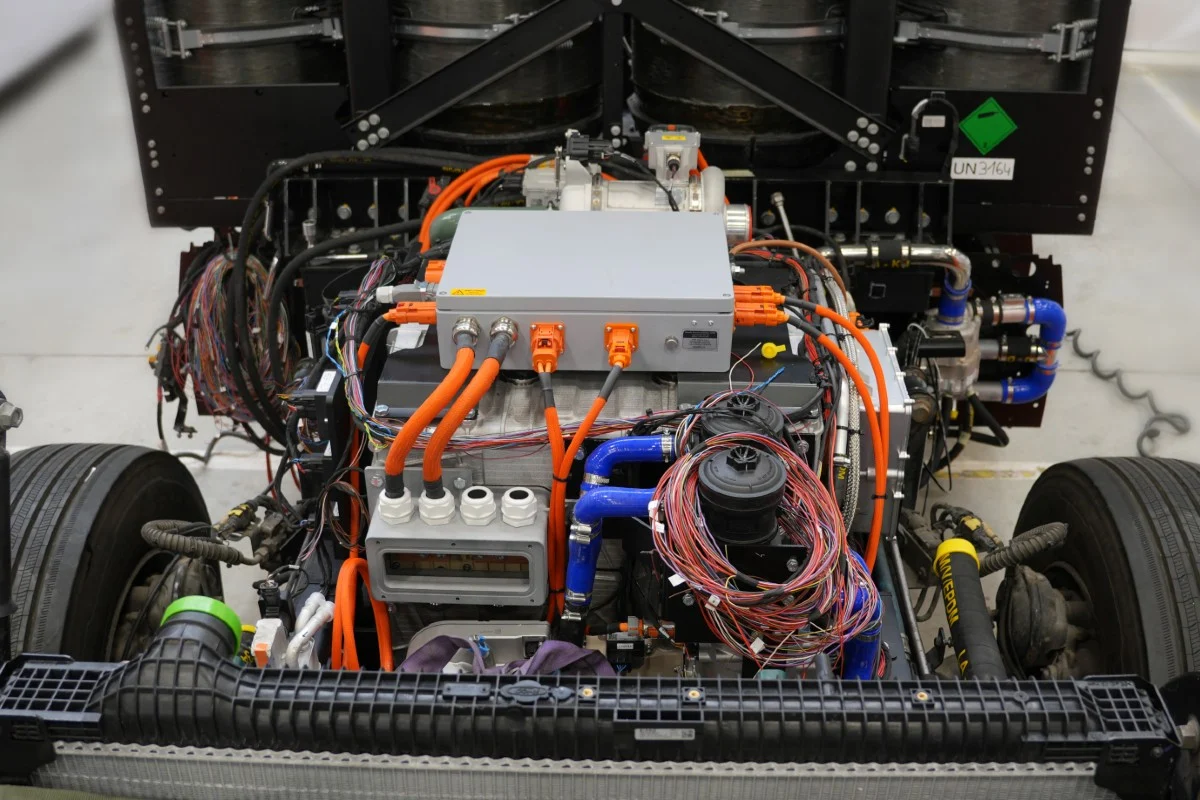
In an exciting development for hydrogen, EKPO Fuel Cell Technologies is joining forces with Akkodis to integrate its cutting-edge NM20 proton-exchange-membrane fuel cell stack into a 40-ton hydrogen truck. This partnership is perfectly timed with Europe’s commitment to decarbonizing heavy freight and tackling real issues in logistics while pushing forward with clean hydrogen news and hydrogen energy news. The concept is straightforward yet impactful: swap out diesel engines for a powerful fuel cell system that delivers zero tailpipe emissions, packing up to 360 kW of system power with an impressive efficiency of around 61%.
Project Overview
EKPO Fuel Cell Technologies, a collaboration between ElringKlinger and OPmobility, brings years of fuel cell expertise to the table with this project aimed at scaling up PEM stack production for mobility. On the other hand, Akkodis, which is part of the Adecco Group, is in charge of the engineering and integration efforts, putting together the NM20 stack with hydrogen storage, power electronics, and control systems into the truck chassis. This vehicle acts as a mobile development platform, testing real-world freight routes and gathering critical data on the dynamics of efficiency and uptime. This initiative is tapping into the burgeoning hydrogen infrastructure in Germany to see if a single-stack system can keep up with the power needs of long-haul transport.
How the NM20 Fuel Cell Works
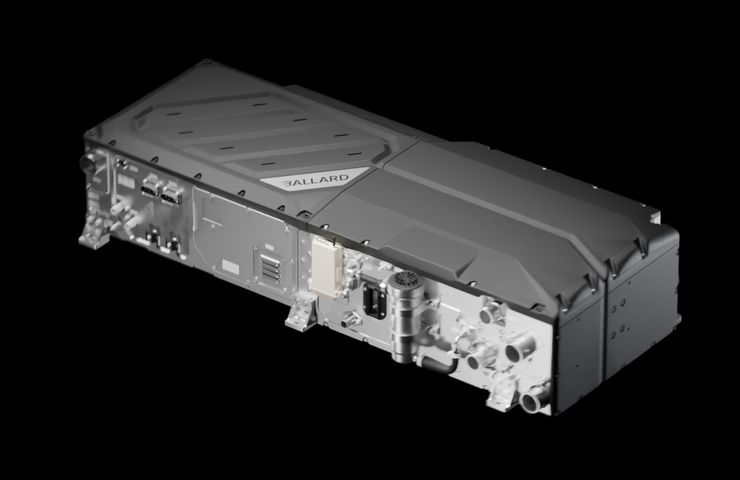
The heart of this project is the NM20 proton-exchange-membrane (PEM) fuel cell stack. The mechanism is pretty simple: compressed hydrogen stored on the truck flows into the stack, where a catalyst splits it into protons and electrons. The protons slip through a polymer membrane, while the electrons travel an external circuit to power the electric traction motors. Then, on the cathode side, oxygen from the air combines with those protons and electrons to churn out water and heat—so, no carbon dioxide emissions at all. Tuning this system for the truck means it can deliver up to 360 kW of continuous output while achieving about 61% conversion efficiency of hydrogen’s energy into driving power. A balance-of-plant package manages air supply, cooling, and humidity, helping make sure the stack operates just right in terms of temperature and pressure. Plus, the NM20 is built for longevity, with over 25,000 operating hours in mind, perfect for the needs of long-haul trucking.
Practical Impact
This heavy-duty hydrogen vehicle is tackling one of the biggest hurdles in making transport cleaner: finding a diesel alternative for 40-ton trucks without compromising range or refueling speed. Unlike battery-electric options that often get bogged down with heavy weight and long charging times, a fuel cell truck can refuel in just minutes at a hydrogen station. Logistics companies can benefit from zero tailpipe emissions and potential fuel cost savings, especially if green hydrogen production takes off. By utilizing established highways and freight corridors in Germany, this demo project aims to gather real-world performance data that will help shape future fleet decisions. It also contributes to ongoing discussions about hydrogen storage solutions and how they stack up against batteries in terms of energy density and flexibility.
Economic and Environmental Gains
The NM20 demonstration offers some impressive economic and environmental benefits. By proving that a single-stack, 360 kW system can handle demanding cycles with reliability, EKPO is eyeing opportunities for OEM contracts. They plan to ramp up production to around 10,000 stacks yearly, hoping to capture about 10–15% of the global heavy-duty fuel cell market by 2030. Investors like the German Federal Ministry for Digital and Transport and the Baden-Württemberg Ministry of the Environment have shown their backing, paving the way for more clean hydrogen project financing. From an environmental standpoint, these trucks emit just water vapor, helping fleets significantly cut back on CO₂ and other pollutants. As hydrogen production increasingly shifts toward greener methods, lifecycle emissions could see a notable drop, aligning well with national and EU goals for transport decarbonization.
Regional Benefits
Manufactured in Dettingen an der Erms, Baden-Württemberg, this project not only represents a commitment to innovation but also embodies the spirit of local expertise. The region has a solid automotive engineering history and actively supports hydrogen innovation with backing from federal and regional governments. By leveraging Baden-Württemberg’s engineering prowess, this collaboration strengthens local supply chains, creates high-skilled jobs, and bumps up industrial capacity. EKPO plans to ramp up production to around 10,000 stacks a year, translating to newfound employment in manufacturing, quality assurance, and system integration. Plus, this focus on the region boosts local green hydrogen production projects, driving demand for electrolyser output and infrastructure investment.
Bridging Technology and Policy
This demonstration isn’t just about engineering feats; it’s a bridge connecting advanced technology with policymaking realities. Across Europe, governments are rolling out hydrogen strategies and highway CO₂ standards for heavy-duty vehicles that lean towards zero-emission alternatives. By generating real-world performance data, the EKPO-Akkodis truck will give regulators the insights they need on practical stuff like reliability, refueling infrastructure, and total costs of ownership. This info is also crucial for infrastructure planners looking to figure out where new hydrogen refueling stations are most necessary along key freight routes. In this way, the project is helping shape both technology roadmaps and regulatory frameworks, ensuring that infrastructure development, vehicle performance, and market realities align for a smooth shift towards clean hydrogen transport.
Forward-Looking Promise
As more governments tighten CO₂ targets for heavy-duty vehicles, showing that a one-stack fuel cell truck can operate effectively is a crucial step towards making this tech a commercial reality. Success from this initiative could influence broader planning on hydrogen project financing and develop new networks. It might even spark interest among other OEMs in exploring fuel cell systems, which could lead to more hydrogen vehicles on the roads and a wider array of hydrogen refueling stations. While the full economic picture depends on hydrogen pricing and infrastructure rollout, this project lays out a transparent, data-driven narrative comparing hydrogen fuel cells with battery electric options for long-haul transport. It emphasizes the potential for fuel cells to complement battery trucks on shorter routes, ultimately crafting a balanced zero-emission fleet ecosystem.
This collaboration between EKPO Fuel Cell Technologies and Akkodis shines a bright light on the hydrogen economy, showcasing how industry and engineering can tackle pressing issues together. With a blend of innovative PEM technology, local manufacturing, and testing in real-world conditions, the project is paving the way for zero-emission freight transport and is setting the stage for future expansions across Europe.
By combining EKPO’s expertise in large-scale stack production with Akkodis’ systems integration skills, this demonstration serves as a model that could be replicated in other markets. Fleets, OEMs, and investors will be keeping a close eye on the operational data as it rolls in, and positive results could speed up rollouts into rail, marine, and other heavy-duty sectors. With a keen focus on hydrogen storage solutions and potential green hydrogen supply chains, the project is committed to reducing lifecycle emissions and building sustainable logistics solutions on a grand scale.