Hydrogen Fuel Cell Technology Drives First Piloted Helicopter Circuit Flight in Quebec
Unither Bioélectronique flew the first piloted hydrogen-electric helicopter circuit, demonstrating PEM fuel cells, battery hybridization and a magniX motor in a Robinson R44, paving the way for zero-emission organ delivery and advanced air mobility.

Picture this: you hop into a five-seat helicopter, but instead of the usual loud sputter of pistons, you’re greeted by a gentle electric hum. Pretty cool, right? Well, back in April, Unither Bioélectronique, a Montreal-based offshoot of United Therapeutics, took a giant leap in the zero-emission tech game by completing the first-ever piloted hydrogen-electric helicopter circuit at Roland-Désourdy Airport in Bromont, Quebec. Test pilot Ric Webb flew a modified Robinson R44 Raven II, going through all the classic flight phases—takeoff, climb, cruising, approach, and landing—all under an experimental permit from Transport Canada. This marks a significant step forward for hydrogen fuel cells as a genuine option for vertical lift, opening the doors to innovative solutions in medical transport and advanced air mobility.
Unither started off as a biotech spin-off focused on improving organ transplant logistics, but they soon ventured into the aerospace field with Project Proticity. This journey transformed from a drone delivery system for lungs between hospitals in Toronto back in 2021 to a fully-fledged helicopter conversion in just over a year and a half. By swapping out the standard Lycoming piston engine for a custom electric motor from magniX and installing a hybrid energy setup that includes Proton Exchange Membrane (PEM) fuel cells and a lithium-ion battery pack, the team has really combined medical urgency with hydrogen tech innovation.
Diving into the Hybrid Powertrain
At the heart of this groundbreaking setup is a dual-source powertrain. The two PEM fuel cells located in the rear cabin deliver nearly 90% of the continuous power needed by converting hydrogen and oxygen into electricity—along with a bit of heat and water, of course. These fuel cells function effectively within a temperature range of 60–80°C, using a solid polymer electrolyte membrane to shuttle protons and push electrons through the motor circuit. With peak power output reaching nearly 178 kW and an efficiency rate around 43.5%, these fuel cells are already miles ahead in terms of power density compared to lithium-ion batteries, boasting around 2,900 W/kg. When it comes to those burst periods of power—like during takeoff or rapid maneuvers—that’s where the high-voltage lithium-ion battery pack jumps in, ready to handle those quick surges.
Everything’s controlled by some pretty sophisticated power electronics that balance voltage and manage current between the power sources, ensuring the magniX HeliStorm motor runs in its sweet spot of 6,000–7,000 RPM. Swapping out the conventional engine for this electric motor means it delivers that instant torque we all love, with more than 90% efficiency. Plus, the battery management system has safety measures in place to prevent overheating and over-discharging. While there’s the theoretical perk of regenerative braking from the rotor blades to recharge the battery, test flights have focused more on real-world performance and how the helicopter handles.
Hydrogen Storage and Expanding the Range
Right now, this incredible setup uses compressed gaseous hydrogen stored at pressures between 350–700 bar in heavy-duty composite tanks. As the fuel cells use up hydrogen, the weight drops, which in turn boosts lift efficiency—something battery-electric models don’t quite manage. But, here’s the catch: storing gaseous hydrogen limits the range to about 100–150 nautical miles, which can be short for some organ delivery routes. Unither has set its sights on liquid hydrogen storage as a potential game-changer. By liquefying hydrogen at super-cold temperatures around –253 °C, you can pack 3.5–4 times more energy into the same volume compared to gas, though it does require some fancy insulated tanks, pressure relief systems for boil-off, and special refueling protocols.
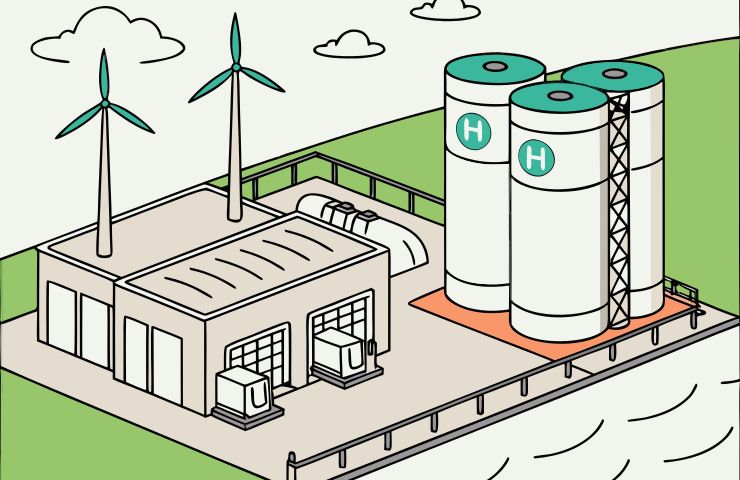
This shift to liquid hydrogen ties into the green hydrogen initiatives in Quebec. With over 99% of its energy coming from hydroelectric sources, the province has a solid foundation to produce low-carbon hydrogen through electrolysis. Scaling that up means new electrolyzer facilities—possibly supported by Investissement Québec—and connecting with existing aerospace supply chains. Meanwhile, Canadian Advanced Air Mobility (CAAM) is working to develop regulatory frameworks for hydrogen refueling stations at airports and hospitals, helping to facilitate these operations.
Strategic and Medical Implications
On the broader healthcare front, this flight addresses a pressing issue. Donor organs like hearts and lungs don’t have long to stay viable—usually between four to eight hours—since any delay can compromise their quality. With urban congestion slowing down ground transport, hydrogen-electric helicopters can cut delivery times by 50–60%, extending the potential for transplants over a wider area. For patients waiting for lifesaving organs, those extra minutes can make all the difference. Plus, these helicopters only emit water vapor, making hydrogen aviation a fantastic option for decarbonizing the medical sector.
From a business perspective, Unither’s achievement opens up new avenues for the hydrogen production and refueling markets. Component suppliers—including fuel cell pack manufacturers, cryogenic tank builders, and power electronics developers—stand to gain substantial market opportunities as fleets grow. Aviation financiers and hospital networks are already looking into agreements for a clean hydrogen supply, while venture capital is circling around the promise of zero-emission technologies.
Experts predict the hydrogen aircraft market could hit a whopping $3–5 billion by 2035, fueled by demand from hospital networks, emergency services, and short-haul logistics companies. The cost per kilowatt for PEM fuel cell systems is expected to dive from over €15,000/kW today to about €3,000/kW by 2030, bringing them closer to competing with turbine engines. Early players like Unither are positioned to tap into first-mover advantages, securing supplies and paving the way for regulatory approvals ahead of their competitors.
Regulatory and Certification Journey
Transport Canada’s granting of an experimental flight permit for a full circuit flight builds on previous hover tests. The FAA’s Hydrogen-Fueled Aircraft Safety and Certification Roadmap is outlining safety benchmarks for integrating fuel cells, high-pressure tanks, and hybrid propulsion into aircraft, while EASA’s hydrogen working group aims to foster international standardization. Unither plans to adapt its hydrogen-electric design for the larger Robinson R66 platform by 2027–2028, with eyes on limited commercial operations for organ transport—a milestone that could set the tone for global certification processes.
Positioning in the Hydrogen Aviation Sphere
Unither isn’t flying solo in this landscape. Fixed-wing innovators like ZeroAvia have already shown fuel cell viability with a modified Piper aircraft, while Joby Aviation has successfully tested a hydrogen-electric air taxi prototype that traveled 840 km on liquid hydrogen. Piasecki Aircraft is also aiming high with their PA-890 eVTOL, featuring high-temperature PEM stacks designed for a 200 nm range. What gives Unither an edge is their successful piloted flight under real-world conditions—not just tethered demos or unmanned tests—which speaks volumes to regulators and investors alike.
As we look to the future, the blend of hydrogen production, storage solutions, and refueling infrastructure at medical and regional aviation hubs will shape how quickly these aircraft evolve from test flights to commercial fleets. Collaborations with industrial gas giants like Air Liquide and Ballard Power Systems will be critical for establishing reliable hydrogen corridors.
The world’s very first piloted hydrogen-electric helicopter circuit flight isn’t just a tech milestone—it’s a roadmap for sustainable, high-power vertical flight. By marrying hydrogen fuel cells, cutting-edge fuel cell technology, and electric propulsion within a proven airframe, Unither Bioélectronique is leveraging the urgency of organ delivery to drive innovation. With the unfolding of certification, funding, and infrastructure, we might soon see these helicopters zipping across urban skies, delivering life-saving cargo and showcasing how green hydrogen production and hydrogen infrastructure can lead to real change.
```