Hydrogen Fuel Cells Take the Wheel: FAW Hongqi Cuts Hydrogen Use by 15% in Breakthrough
FAW Hongqi has cut hydrogen consumption by 15% in its latest fuel cell vehicle breakthrough, signaling a major leap toward commercializing hydrogen mobility in China.
A hydrogen moment, made in China
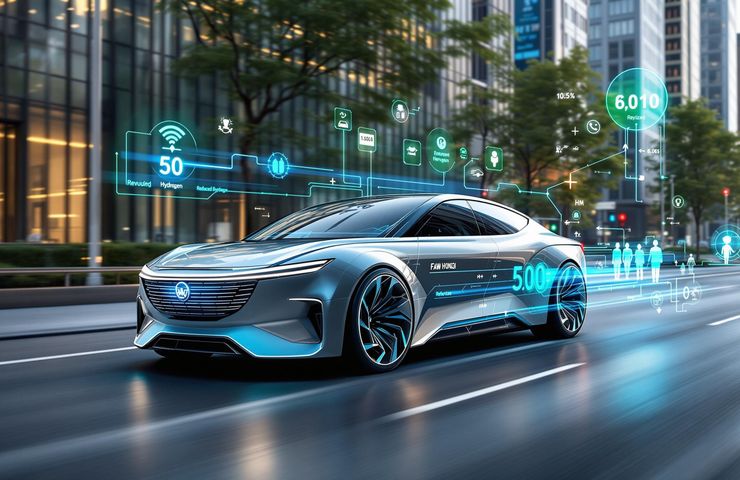
On June 18, 2025, something pretty exciting—and potentially game-changing—happened in Changchun, China. FAW Hongqi, the luxury brand under automotive powerhouse FAW Group, rolled out a major breakthrough in hydrogen fuel cell tech that could shake up the world of zero-emission transportation. We’re talking about a 15% drop in hydrogen consumption compared to some of the lightest hydrogen vehicles out there. That’s not just a minor tweak—it’s a solid step toward making fuel cell technology more practical and scalable in China.
This isn’t innovation for innovation’s sake, either. It’s tackling some of the key gripes holding hydrogen back—things like high fuel use, steep costs, and limited range. Thanks to a brilliantly built hybrid power energy management system developed entirely in-house, Hongqi has made its fuel cell vehicles smarter and more efficient, and frankly, more road-ready. It’s a clear flex of China’s growing muscle in fuel cell technology—and a big win for self-reliant innovation.
Tech with a pulse: where smarts meet ambition
So what’s behind the leap forward? At the core of it all is the newly developed Hydrogen Fuel Cell Hybrid Power Energy Management System. Think of it as the brain of the vehicle—it constantly adapts, optimizing how hydrogen is used based on the car’s real-time driving conditions. Instead of just sipping hydrogen, it learns how to stretch every molecule to squeeze out more range, boost stability, and refine responsiveness.
But that's not all. Hongqi’s fuel cell system also uses titanium-based carbon-coated bipolar plates—a mouthful, sure, but incredibly important. These components can go the distance, boasting over 30,000 hours of life. And they come with a 30% cost reduction, making the whole system not just tougher but more affordable. Come freezing winters or sweltering heat, this setup doesn’t flinch, with self-start capability in temps as low as -30°C.
This isn’t Hongqi riding solo
As big as this is for FAW Hongqi, it’s part of a larger, coordinated push toward sustainable energy in China. Other major players in the game are stepping up, too. XCMG Group recently unveiled the largest hydrogen-powered mining truck in the world—massive, rugged, and running on a combo of fuel cells and onboard batteries, it’s made to thrive where few vehicles dare to roll. Meanwhile, Shanghai Thiko Energy Group is breaking new ground with its dual-ejector hydrogen supply technology, making sure fuel cells stay reliable even in rough conditions. That same tech is already being adapted for heavy-duty industries like mining.
The takeaway? China isn't just building greener vehicles—it’s laying down an entire hydrogen infrastructure from the ground up, connecting factories, highways, and heavy industry in a clean energy network. While much of the world keeps its eyes glued to battery electric vehicles, this quiet but strategic hydrogen play is gaining serious momentum.
Where innovation meets national strategy
FAW Hongqi isn’t just another car brand. It carries weight—as a symbol of Chinese heritage, design, and now, high-tech innovation. Backed by the State-owned Assets Supervision and Administration Commission of China, this hydrogen push isn’t just about cutting-edge vehicles. It’s about long-term goals: energy independence, climate action, and taking a leadership role in clean mobility tech.
That’s why the national playbook includes big targets. By 2025, the plan is to ramp up both hydrogen-powered and battery electric vehicles in a big way. Hongqi will be rolling out 15 battery electric vehicle models, but its bold move into fuel cell territory shows it’s clearly leading the charge on more than one front.
Still work to do, but the road’s getting clearer
This kind of tech leap is huge—but let’s not kid ourselves, there are still some tough bumps to smooth out. Infrastructure for hydrogen refueling still needs to catch up, cost parity with diesel isn’t quite there yet, and regulations will need to keep pace with the innovation. But with vehicles that sip less fuel and drive farther, FAW Hongqi is helping to chip away at some of the biggest barriers to hydrogen adoption.
And let’s be real, in the world of heavy-duty, long-range, and cold-climate transportation—where battery EVs hit limitations—hydrogen fuel cells could absolutely carve out a dominant role. As more Chinese firms nail down their tech, scale up production, and lock in strategic IP, the hydrogen economy might finally get out of the slow lane.
A final gearshift
It’s funny how vehicles can reflect more than just innovations—they reflect where a society is headed. With this latest move, FAW Hongqi isn’t just boosting mileage or trimming hydrogen use. It's sending a clear message: China wants a front-row seat in the clean mobility revolution.
We’re still early in the game. But if fuel cell technology is the future in high-demand transport—and the signs are pointing that way—then Hongqi just put down a big, bold marker on the map.