Hydrogen Infrastructure: EnBW’s Karlsruhe Plant Paves Way for Coal-to-Hydrogen Shift
EnBW aims to replace Karlsruhe’s RDK 8 coal block with an 850 MW hydrogen-ready combined-cycle plant (RDK 9), delivering 220 MW of district heating, backed by city and federal support to secure low-carbon power and heat.
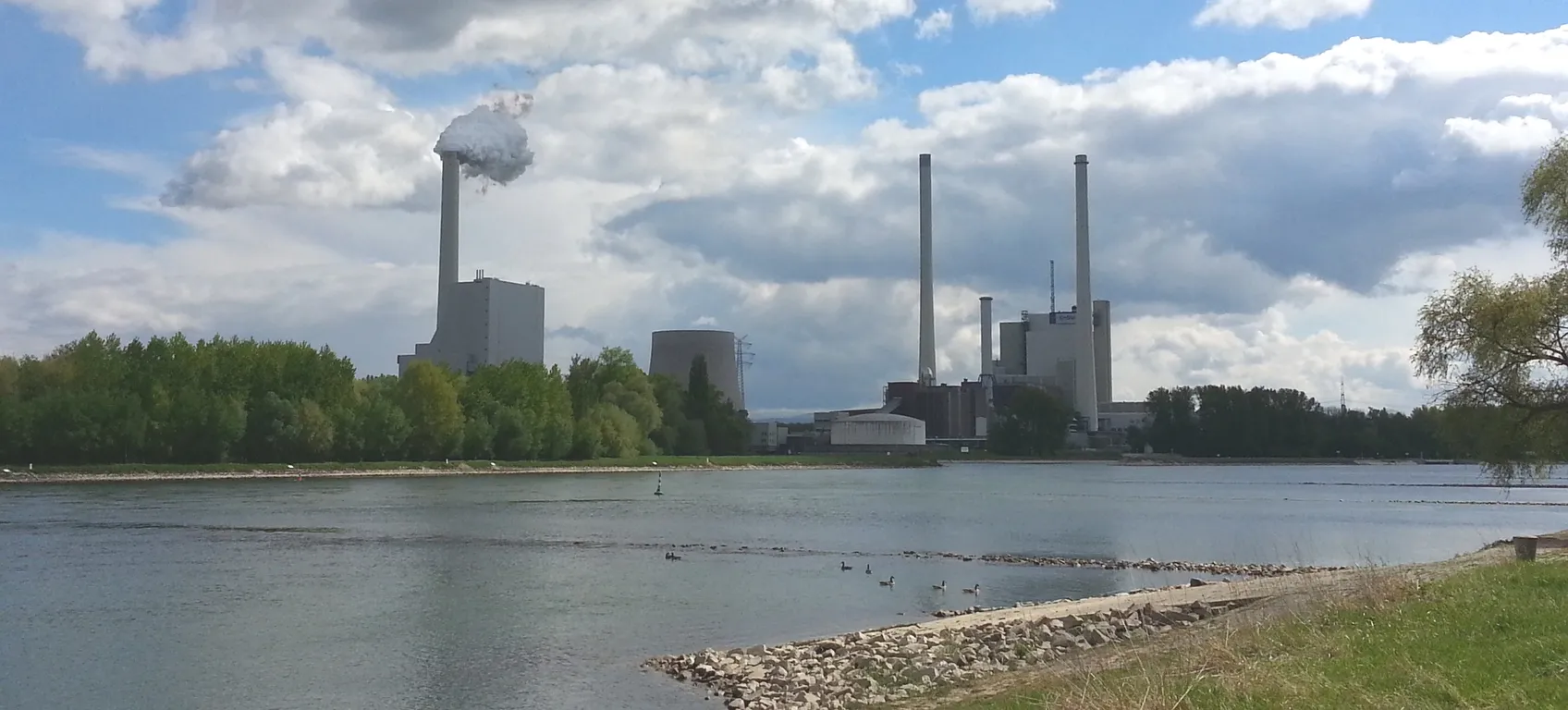
Imagine replacing a centuries-old coal plant with a cutting-edge hydrogen powerhouse right in the middle of Germany's energy scene! That's what's happening at the Rheinhafen steam power plant in Karlsruhe, where EnBW is leading a major energy overhaul. This project is a significant move in the world of hydrogen infrastructure and clean hydrogen news, taking a bold leap into a new way of powering our cities while keeping things reliable.
So, why should we care? The RDK 9 plant could be Germany's very first large-scale hydrogen-ready power block. It’s not just about keeping the lights on; it’s also about utilizing renewable energy without compromising reliability.
Moving Away from Coal
Germany has set its sights on phasing out coal by the late 2030s, but this transition isn’t without challenges. Shutting down lignite and hard coal blocks means potentially losing gigawatts of reliable power. In the sunny southwest, EnBW tells us they’ll need about 6.5 GW of new controllable power to keep up with the rising demand from wind and solar.
The local coal plant, RDK 8, has been a rock-solid backer for years. It provides energy to homes and supplies around 220 MW of district heating to Karlsruhe’s network. Making sure this power transition goes smoothly isn’t just about hitting emissions targets; it’s crucial for local residents who depend on heat and power. If this replacement isn’t handled right, it could lead to quite the boil-over risk.
Karlsruhe is home to over 300,000 folks, an inland port, and important legal institutions, including Germany's Federal Constitutional Court. The Rheinhafen area expanded during the 20th century to support factories and logistics, making it a key player in the city’s prosperity. As renewables take over, city planners are in search of backup solutions that reduce pollution while keeping the reliability that industries and residents depend on.
The Hydrogen-Ready Answer
EnBW's solution to this challenge? Meet the RDK 9 combined-cycle gas and steam turbine plant. Think of it like a two-stage rocket: a gas turbine burns natural gas to power a generator, and its hot exhaust turns water into steam, spinning a second turbine for that extra energy punch. This design makes for better efficiency, and the waste heat gets captured for district heating.
The integration of Combined Heat and Power systems cranks up fuel efficiency even more. Unlike simple-cycle plants where a lot of heat just goes to waste, RDK 9 can hit overall efficiencies above 80% when both electricity and district heat are generated. Getting the most out of every unit of fuel? Now that's a game changer.
EnBW will source turbines and heat recovery units from top-notch suppliers known for their hydrogen-blending capabilities. This smart approach reduces the hassle if and when the plant needs to switch fuels.
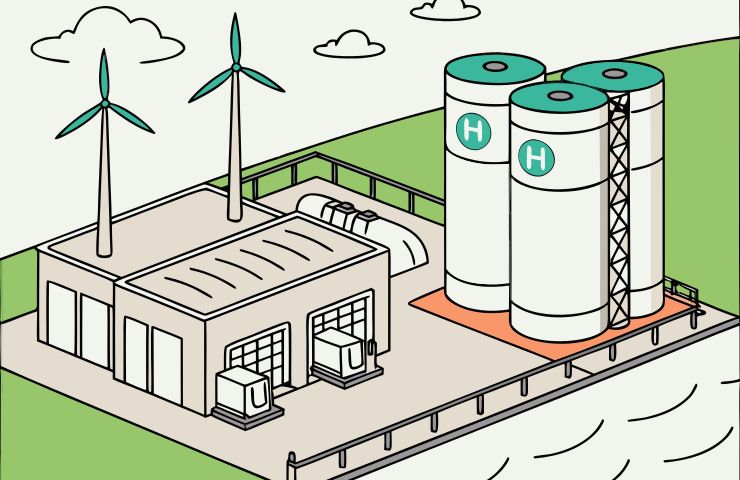
Initially, it will run on natural gas, but the real magic lies in its flexibility: once local hydrogen production methods mature—like wind-powered electrolysers in the nearby Rhine Valley—the RDK 9 is ready to make the switch. Plans are also in motion for modern hydrogen storage methods that will seamlessly connect to future refueling stations or pipelines in an expanding hydrogen infrastructure network.
A City on Board
This isn’t just a concept; Karlsruhe's municipal council has put their weight behind it. They’ve even inked an intention agreement with EnBW, committing to explore development. Major conditions include reaching the city’s decarbonisation goals and ensuring a smooth integration with the existing heating system.
By utilizing part of the current coal stockyard, the plan minimizes land impact and aligns with local zoning laws. City officials are clear: any final investment decisions will depend on new federal funding conditions under the Kraftwerkssicherheitsgesetz, making sure the project lines up with national support schemes.
Local planners believe this could serve as a model for urban energy transitions—making use of existing sites, locking in cleaner heat, and phasing out coal without risking outages.
Funding the Future
Let’s face it: projects like this need the right financial backing. EnBW admits that hydrogen-ready plants require supportive policy frameworks to cover those hefty capital costs. Enter Germany's Power Plant Strategy.
The federal government is setting up auctions for around 10–12 GW of hydrogen-ready capacity, with requirements for full decarbonisation by 2045 and key conversion milestones in between. The Climate and Transformation Fund is rolling out subsidies, while a new capacity market ensures that paychecks come in whenever dispatchable resources are on standby.
With those federal tenders on the horizon, EnBW’s team is racing against the clock to finalize financing and secure capacity contracts for RDK 9. If they get awarded a contract, they’ll rake in steady revenues during those low-generation periods, helping bridge the gap between fluctuating wholesale prices and long-term investment needs. Plus, EnBW's in-house retail unit can sell excess district heat, bringing in another revenue source.
Real-World Impact
The shift from coal to a modern combined-cycle plant will dramatically cut CO₂ emissions right off the bat—even before hydrogen enters the picture. Local air pollutants and sulfur emissions could drop to nearly zero, making life a little easier for residents and businesses alike.
District heating will remain solid, ensuring homes, schools, and hospitals are kept warm during colder spells. The rapid-response capabilities can reduce reliance on emergency backup boilers, often reliant on diesel. In a time when extreme weather is increasingly normal, that kind of resilience is invaluable.
Of course, starting on natural gas means we’re still facing upstream methane emissions. The overall climate benefits will depend on how quickly hydrogen use ramps up, making RDK 9’s synergy with clean hydrogen news key in achieving real GHG reductions.
Paving the Way Forward
Looking at the big picture, the RDK 9 project weaves together several strategic threads:
These forces combine to create a strategic alignment: national policy, corporate objectives, and local governance working hand in hand to make this transition a reality.
Leading Future Innovations
RDK 9 will also act as a living lab. Engineers will observe how hydrogen blends affect combustion stability and NOx emissions, starting small and ramping up to full hydrogen operation as the infrastructure matures. Each phase will refine retrofitting techniques and safety protocols, helping to inform regulators and manufacturers along the way.
Meanwhile, local electrolysers, buffer tanks, and pipeline developers will gain a steady customer, encouraging their investments. It’s a beneficial cycle: as more hydrogen becomes available, costs will drop even further, driving up demand for clean hydrogen—and that’s a huge win for hydrogen project financing.
The Road Ahead
What’s next on the agenda? EnBW will be diving into those upcoming federal tenders, polishing their proposals, and cementing equipment contracts. The final investment call will rely on securing grid and heat network access and winning federal support.
As the project transitions from blueprints to construction sites, stakeholders—from shipping companies on the Rhine to energy startups—will be watching closely. Success here might just ignite a wave of coal-to-hydrogen transitions throughout Germany and beyond.
Regional players are already starting to eye this model for green hydrogen agreements, pondering how the plant’s energy demand could serve to foster local H₂ production hubs.
So buckle up: Karlsruhe’s new power plant is not just paving the way for the future of energy; it's opening the floodgates to hydrogen infrastructure and a cleaner world—one 850 MW block at a time.