Hydrogen Infrastructure: Clean Energy Fuels to Build OCTA’s Garden Grove Hydrogen Refueling Station
Clean Energy Fuels Corp. will build a $27.5 million liquid hydrogen fueling station at OCTA’s Garden Grove depot, enabling the agency to expand its hydrogen fuel cell bus fleet and meet California’s zero-emission transit targets.
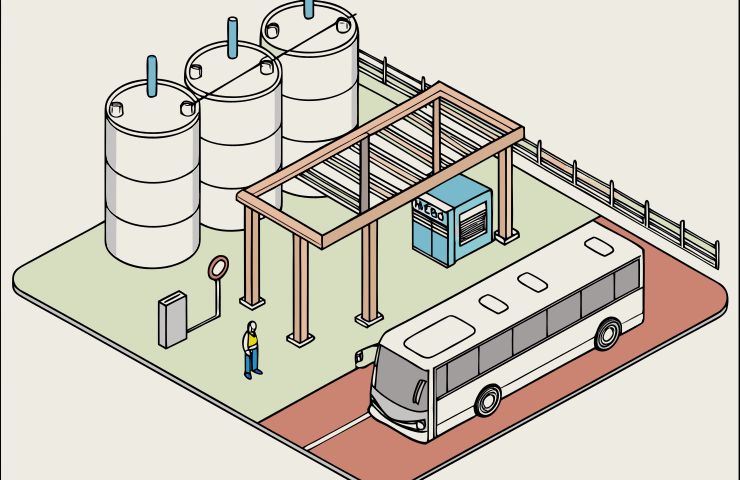
Clean Energy Fuels Corp., based in Newport Beach, California, has just landed a hefty $27.5 million contract with the Orange County Transportation Authority (OCTA). Their mission? To design, build, operate, and fuel a state-of-the-art liquid hydrogen station at OCTA’s Garden Grove bus base. This development is a game changer as OCTA looks to expand its hydrogen fuel cell bus fleet from a ten-bus pilot to at least fifty by the time this station goes live in 2028. With this project, Clean Energy will provide a comprehensive solution that includes everything from facility upgrades and cryogenic supply to automated dispensing and ongoing maintenance, all aimed at helping the region achieve its zero-emission transit goals.
Scaling Up Zero-Emission Transit
OCTA is on a clear mission to fully transition to a zero-emission fleet by 2040, in line with California’s Air Resources Board’s Innovative Clean Transit rule. This rule mandates that major agencies only purchase zero-emission vehicles starting in 2029, with incremental targets to hit in the meantime. Their journey began with a shift from diesel to compressed natural gas (CNG) buses, many powered by renewable natural gas (RNG) sourced from landfill and digester methane. This strategy significantly cuts greenhouse gas emissions compared to traditional diesel engines, but it’s just the beginning.
In the early 2020s, OCTA rolled out ten hydrogen fuel cell buses, launching them from their first station in Santa Ana—the nation’s largest hydrogen bus fueling facility. These buses are making waves with an impressive efficiency of about 9.7 miles per diesel gallon equivalent, more than doubling the fuel economy of their CNG counterparts at just 4.2 mpgdge. Plus, they boast zero tailpipe emissions. To add to the mix, OCTA also experimented with ten plug-in battery-electric buses to gauge their operational metrics alongside those hydrogen-powered rides. The new Garden Grove station adds much-needed capacity and redundancy, ensuring fueling keeps pace with this growing hydrogen bus fleet.
Liquid Hydrogen Technology Unpacked
So, what’s the deal with liquid hydrogen fueling stations? They come with a host of benefits for high-duty bus operations. Cryogenic liquid hydrogen is delivered by tanker truck and stored in super-insulated tanks on-site. When it’s time for buses to refuel, the liquid hydrogen goes through an evaporator and heat exchanger to turn into gas. This gas is then pumped up to around 350 bar and stored in banks that allow for high flow rates during peak refueling times. Automated dispensers connect to the buses and fill their tanks in just a few minutes—just like you would at a regular diesel station, but with zero emissions in the process.
Clean Energy’s approach covers all bases: they’ll handle cryogenic distribution piping, compression systems, high-pressure storage, and even the dispensers themselves. Plus, they’ll manage ongoing operations and maintenance to keep everything running smoothly—and supply the liquid hydrogen through an extended offtake agreement. What you get is a solid, integrated hydrogen infrastructure platform that’s ready to support a bustling transit depot now and in the future.
Comparing Hydrogen and Battery-Electric Buses
OCTA’s dual-technology pilot is a smart way to tackle heavy transport decarbonization. Battery-electric buses (BEBs) run off hefty lithium-ion battery packs that need charging at depots or via fast chargers along their routes. They both promise zero tailpipe emissions, but they do differ in terms of range, refueling time, and how flexible they are with energy sources. BEBs usually need longer to recharge, either overnight or during designated break times, while hydrogen fuel cell electric buses (FCEBs) can refuel quickly, mimicking the operational ease of diesel buses while offering a longer driving range. In tough duty cycles or extreme weather, hydrogen buses can stay on the road without long recharging pauses.
To further enhance their strategy, OCTA recently teamed up with Southern California Edison to improve their grid connection at Garden Grove under the Charge Ready Transport program, getting BEBs up and running smoothly. This dual approach provides OCTA with valuable operational data on range, reliability, and cost—all of which will inform their larger plans for a fully zero-emission bus fleet. These insights are crucial for making informed investment choices in a multi-technology fleet strategy.
Policy Momentum and Economic Impact
California’s air quality issues, especially in the South Coast Air Basin, have pushed regulators to urge transit agencies toward zero-emission alternatives. The Innovative Clean Transit rule is part of a broader strategy aimed at achieving 100% zero-emission trucks and buses by 2045. By investing in hydrogen infrastructure, OCTA isn’t just complying with regulations—they're also positioning themselves as a frontrunner in the transition to cleaner heavy vehicles. The exciting part? This early investment could open doors to additional funding sources—from state cap-and-trade revenues to federal transit grants—all while creating local jobs in the fields of engineering, construction, and hydrogen logistics.
For Clean Energy Fuels Corp., landing this contract represents an expansion into hydrogen and marks their shift from a natural gas fueling innovator to a key player in the clean hydrogen space. They've already tackled projects like a hydrogen station for Foothill Transit and another for Gold Coast Transit District, each of which builds their operational expertise and credibility in delivering large-scale hydrogen fueling solutions.
Environmental and Market Significance
Expanding hydrogen bus infrastructure is crucial for reducing lifecycle emissions, especially as hydrogen production methods increasingly pivot toward renewable and low-carbon solutions. While current contracts don’t nail down specific hydrogen carbon intensities, Clean Energy has experience blending renewable natural gas into hydrogen production, hinting at a robust future for green hydrogen. This expansion at two OCTA stations also helps gather valuable data on performance and reliability, allowing for best practice development and lowering risks for other agencies that are considering hydrogen technology.
This pilot is part of a larger conversation about hydrogen versus battery strategies, addressing the complexities of infrastructure, fuel costs, and grid impacts. By hosting a hydrogen depot alongside BEB chargers, OCTA will be able to compare total costs, energy efficiency, and operational reliability—all essential factors that will inform not just their procurement strategy but also help regulatory bodies like CARB refine their regulations and funding priorities for zero-emission heavy transport.
Partnerships Powering the Transition
Collaborative efforts are key when it comes to scaling hydrogen infrastructure, like the budding network anchored by both the Santa Ana and Garden Grove stations. Establishing multi-agency standards for dispensing pressure, safety measures, and supply chain coordination can significantly lower costs and enhance operational simplicity. Clean Energy’s all-in-one service model streamlines the process for transit agencies, bundling design, construction, operations management, and fuel supply all under a single contract. This could serve as a roadmap for other markets beyond Southern California.
This station is truly built for the future, showcasing how transit authorities and technology providers can work together to meet ambitious decarbonization goals. As public transit continues to play a bigger role in urban mobility and climate action, robust hydrogen infrastructure is set to become a cornerstone for next-gen fleets.
Bottom line... the Garden Grove hydrogen station contract isn’t just about building infrastructure; it’s a strategic leap toward zero-emission transit, improved local air quality, and a scalable clean hydrogen economy. With this project, OCTA and Clean Energy Fuels Corp. are stepping up to lead the charge in the energy transition, closing the gap between experimental projects and widespread fleet deployment. The future of public transit is here, and hydrogen is a vital piece of that puzzle.