DESFA Launches €8.6M Tender for 570 km H2DRIA Pipeline
DESFA has launched an €8.6M tender for detailed engineering of the 570 km H2DRIA pipeline, a game-changing step in hydrogen infrastructure tying Greece’s green hydrogen to domestic industry and export corridors.
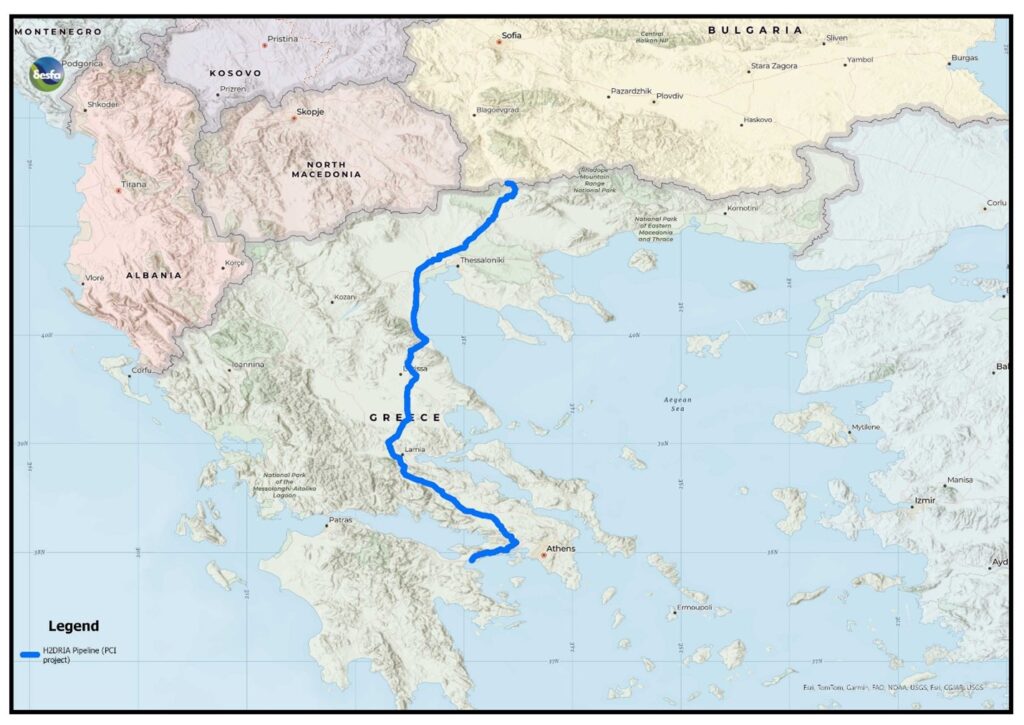
Down in sunny Agioi Theodoroi, just a hop, skip, and a jump from Athens, a fresh chapter in clean energy is taking shape. DESFA, the Hellenic Gas Transmission System Operator, has been running the National Natural Gas System and managing the Revithoussa LNG terminal for a while now, connecting Greece’s high-pressure pipeline network into the wider Southeast Europe energy landscape. This month, they’re stepping things up a notch with an exciting new hydrogen initiative: they’ve just launched an €8.6 million tender for the detailed engineering design of H2DRIA. This pipeline aims to tie domestic green hydrogen production directly to industrial demand and export corridors—pretty cool, right?
A Dedicated Hydrogen Backbone Takes Shape
At the heart of the H2DRIA project is a purpose-built, 36-inch diameter steel pipeline stretching about 570 km, and it runs alongside the gas mainline that's been around since the early '90s. This isn’t just another blended solution or a repurposed line; it’s specifically designed for 100% hydrogen. Engineers are taking into account all the quirks of hydrogen, like its low molecular weight and potential embrittlement risks. This pipeline will feature two 30 MW compressor stations, a bunch of valve and scraper stations for maintenance, and metering stations to keep everything in check. Plus, advanced leak detectors will ensure that any potential hydrogen loss stays minimal. By sticking to existing rights-of-way, DESFA plans to keep land use super efficient and make the permitting process as smooth as possible, turning H2DRIA into a standout example of how to transport hydrogen without a hefty visual footprint.
Engineering Design Tender Signals Momentum
With the engineering design tender now live, DESFA is on track to move from planning to action. Companies interested in bidding need to show they’ve got the right experience with high-pressure hydrogen pipeline projects, along with solid financial backing and the know-how to get things done in around 16 months. The scope of the project is no small task, covering everything from route optimization and environmental assessments to steel specifications, compressor siting, and ensuring safety regulations are top-notch. This €8.6 million investment is a strategic play to ease the risks associated with the looming €1 billion construction phase, giving everyone involved some much-needed peace of mind well before the diggers roll in.
Collaboration at the Heart of Innovation
The H2DRIA project is more than just a local initiative; it’s about building pan-European partnerships. After joining forces with the SENFLUGA consortium, which includes other heavy hitters like Snam, Enagás, and Fluxys, this project plays a crucial role in the eight-TSO South-East European Hydrogen Corridor. With plans to stretch 2,854 km under the European Hydrogen Backbone vision, it’ll transport green hydrogen all the way north to demand centers in Germany and the Czech Republic. This initiative has even received the European Commission’s blessing as PCI 10.3.1, unlocking €5.4 million in Connecting Europe Facility support for the necessary studies. EU backing isn’t just a vote of confidence; it also helps streamline cost-sharing and regulatory matters across borders, making things a whole lot easier for everyone involved.
Linking Renewable Production to Industrial Demand
With Greece’s abundant sunshine and solid wind resources, there’s a real opportunity for large-scale green hydrogen production. Electrolyser facilities powered by solar and wind farms are set to feed hydrogen right into H2DRIA, making the whole process way more efficient by skipping excessive purification. Early estimations show the pipeline will have an initial transport capacity of around 80 GWh per day—enough to replace millions of cubic meters of natural gas! This clean hydrogen will power refineries, steel plants, and power generators around hot spots like Athens, Corinth, and Thessaloniki. Interest has been skyrocketing too, with numerous project submissions indicating that industrial players and renewable developers are already gearing up for future demand along the pipeline route.
Strategic Impact and Regional Benefits
The benefits of H2DRIA aren’t just about reducing CO₂ emissions, though that’s a huge plus. We’re talking about an initiative that could create thousands of skilled jobs across manufacturing, construction, and operations while adding a few billion euros to Greece’s GDP by 2030. This project is set to transform Greece from a traditional gas transit hub into a clean energy gateway, diversifying supply sources, lowering import dependencies, and boosting energy security. Plus, it aligns neatly with Greece’s draft National Hydrogen Strategy and the EU’s REPowerEU goals, showing how smart infrastructure investments can spark both local economic growth and environmental protection.
Navigating Technical and Regulatory Challenges
Designing a dedicated hydrogen pipeline of this size isn’t all smooth sailing; it comes with its share of technical challenges, like tackling hydrogen embrittlement, managing pressure levels, and preventing leaks. To address these, DESFA’s tender lays out strict testing standards, real-time monitoring systems, and in-depth integrity management plans to keep leaks at bay. On the regulatory side, the project is right at the forefront of the upcoming EU hydrogen network codes, which outline rules for cost allocation, third-party access, and financial compensation frameworks for post-2030. By getting PCI status and CEF funding early on, H2DRIA is not only protecting itself from market bumps but also sets itself up as a trustworthy investment in what can be a cautious hydrogen landscape.
Looking Ahead: A Glimpse into the Future
As the design phase kicks off, DESFA and its partners are already looking towards the future. They're exploring how to connect with Bulgaria’s planned hydrogen link for bidirectional flows, and there are even thoughts of extending the pipeline towards Italy and North Macedonia, which could pave the way for a fully integrated Southeastern European grid. The insights gleaned from H2DRIA—like compressor technology and safety protocols—will likely influence other pipeline projects along the European Hydrogen Backbone. While final agreements and market factors will ultimately dictate the project's scale, this tender is a huge milestone. Greece is proving that with vision, solid planning, and international teamwork, a reality built on hydrogen transport can be achieved. It’s a sneak peek into a decarbonized Europe—one pipeline at a time.