EU Extends Backing for Malta’s Hydrogen-Ready Pipeline
EU ministers extended a derogation enabling Malta’s planned hydrogen-ready Melita TransGas Pipeline to keep its PCI status and access EU funding, spotlighting a pragmatic path that blends energy security with future hydrogen goals.
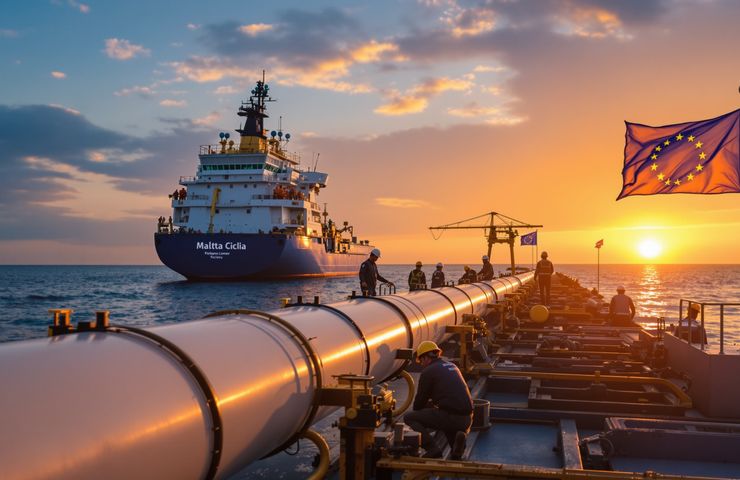
You might be wondering how Malta—a tiny island south of Sicily—fits into Europe’s big push for hydrogen. Well, it looks like a subsea pipeline could be the key to making that happen. Recently, EU energy ministers agreed to extend a special concession for Malta’s ambitious Melita TransGas Pipeline. This means that Malta keeps its important Project of Common Interest status under the EU’s TEN-E Regulation and remains in the running for grants from the Connecting Europe Facility. After spending years on preparatory studies funded by around €4.5 million, this news keeps the pipeline project moving forward.
A Long-Sought Connection
Since Malta joined the EU back in 2004, it’s been dealing with what they call “energy isolation.” The island is pretty much dependent on imported LNG brought in by floating units off Delimara, plus an electricity link to Sicily. Back in 2013, the first PCI list recognized the pipeline as PCI 5.19, highlighting its strategic importance. But when climate policies shifted and budgets tightened, the project hit some roadblocks and underwent several redesigns as the team sought exceptions to changing gas-infrastructure rules.
That’s where the second PCI round comes in. The project made a comeback as PCI 15.1, now rebranded as a bi-directional and hydrogen-ready pipeline. Driven by Energy Minister Miriam Dalli and the Ministry for Energy, Environment, and Regeneration, Malta’s leaders made a solid case that only a cross-border connection could diversify supply routes and open the door to low-carbon gases. This idea really resonated with EU policymakers who are eager to eliminate energy islands while pushing for a future filled with hydrogen.
A Derogation with Far-Reaching Implications
Typically, the EU’s refreshed TEN-E guidelines discourage funding new fossil gas pipelines. But Malta (and Cyprus) have received a special concession that recognizes the needs of energy-isolated islands. This extension fast-tracks permitting, simplifies environmental assessments, and opens up potential Connecting Europe Facility funding for construction. For Malta, this is huge: diversifying their energy sources could help shield consumers from price spikes and supply interruptions, aligning their national agendas with Europe’s decarbonisation efforts.
Meanwhile, both the European Commission and the European Parliament are showing strong support for cross-border hydrogen corridors, approving over a hundred related projects in their latest PCI and PMI lists. The Commission’s updated TEN-E Regulation (EU 2022/869) integrates hydrogen networks alongside electricity and gas, reflecting a practical approach that blends security with a green vision.
What Makes It “Hydrogen-Ready”?
So, what does “hydrogen-ready” actually mean? It’s more than just a catchy term; it involves some serious engineering. The pipeline materials, welds, coatings, and components need to handle hydrogen’s smaller molecules and the risks of embrittlement. Recent updates to the Front-End Engineering Design (FEED), backed by EU grants, have tested various steel grades, valve protocols, and pressure settings suitable for mixtures of natural gas, biomethane, and hydrogen. This careful staged approach allows the line to initially handle fossil gas, then gradually increase the hydrogen content until it can eventually transport 100% clean hydrogen.
The operational blueprint includes facilities for blending at injection points, real-time monitoring of gas quality, and adapting end-use equipment on both sides of the Strait. Instead of starting from scratch with a brand-new hydrogen pipeline, Malta and Sicily can reuse most of the existing line, which could save a chunk of change and cut down on construction time. Sure, some compressor upgrades or safety tweaks might be needed later on, but the main pipeline corridor will stay intact.
The Regulator’s Role
Back in Malta, the Regulator for Energy and Water Services (REWS) is keeping a close eye on the pipeline in its national energy report, underscoring its significance for energy security and market diversification. REWS is responsible for tracking project permits, ensuring compliance with EU guidelines, and assessing market impacts. Since they oversee both electricity and gas sectors, they’ll also monitor the hydrogen blending limits and protect consumer interests if the project goes to construction.
Voices from Different Corners
For Malta’s government, the pipeline represents a practical way to meet immediate energy needs while also focusing on long-term decarbonisation. Officials are highlighting the island's impressive solar energy potential and the budding biomethane production in Europe as perfect complements to their plans. They see the Melita TransGas Pipeline as the backbone that could transport today’s gas and tomorrow’s green hydrogen straight into homes, industries, and maybe even into export markets.
On the flip side, environmental groups like Friends of the Earth Malta are sounding the alarm, warning about a potential “hydrogen loophole.” Critics argue that establishing new gas capacity—even if it’s labeled as hydrogen-ready—could lead to more fossil fuel dependency, heightening methane emissions, and leaving behind stranded assets if hydrogen doesn’t catch on as expected. They’re calling for a greater focus on renewables, energy storage, and direct electrification rather than investing in pipelines.
A Commercial Bridge?
Outside of the policy discussion, traders and infrastructure companies are watching the pipeline closely as a potential market test. If the Melita TransGas Pipeline can prove that existing gas corridors are safe and cost-effective for transporting hydrogen blends, it might set off a wave of similar projects across Europe. For investors, this extended concession shows the EU’s continued interest in hybrid gas-hydrogen links, ensuring ongoing demand for pipeline engineering, manufacturing, and inspection services.
Looking Beyond the Horizon
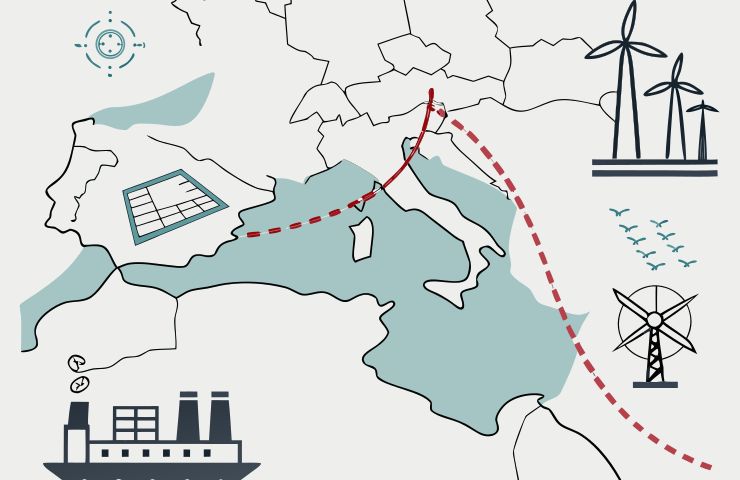
When you zoom out, Malta’s pipeline could be a crucial part of a wider Mediterranean hydrogen network stretching across Italy, Greece, and even further. Supporters imagine green hydrogen produced in Sicily, Greece, or North Africa making its way through Malta and into markets in Southern Europe. Whether this ambitious vision becomes a reality hinges on the timelines for renewable projects, regulatory harmony between countries, and evolving business models for hydrogen trading.
Setting a European Template
Malta’s negotiated exemption mirrors similar exceptions granted to Cyprus and islands like Crete. As EU nations forge ahead with hydrogen corridor plans, other countries dealing with energy isolation will be watching closely. If Brussels is open to more exemptions, the lines between funding for hydrogen infrastructure and support for fossil gas could blur, raising questions about the direction of green hydrogen policies as we move toward the end of this decade.
For anyone following clean hydrogen developments, Malta’s pipeline encapsulates broader tensions: energy security versus climate urgency, and practical solutions versus idealistic goals. Will a gas corridor that transforms into a hydrogen route foster a greener future, or will it merely extend our reliance on fossil fuels under a new banner? The coming chapters for Malta—and the entire EU—will be quite revealing.