Hydrogen Infrastructure Project Right in Step With Germany’s Clean Energy Future
Germany’s economic ministry teamed up with industry to roll out hydrogen-ready gas plants, sprinter units and storage solutions, securing power and advancing clean energy.
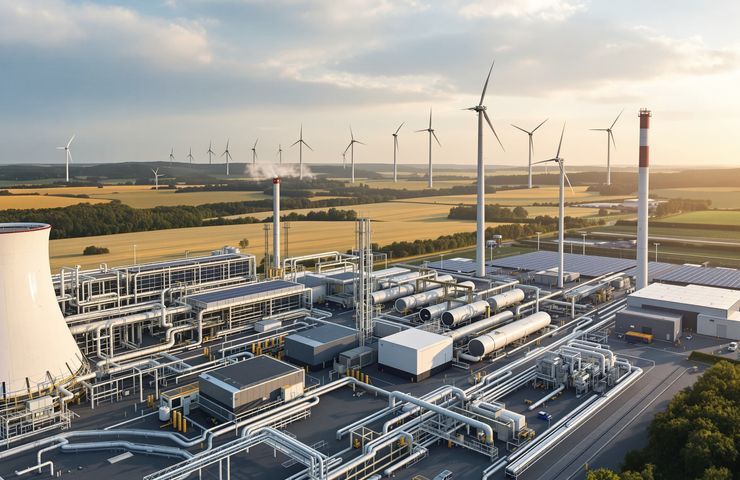
The Federal Ministry for Economic Affairs and Climate Action has kicked off an exciting new project in collaboration with a group of turbine manufacturers, utilities, and grid operators. This landmark initiative aims to roll out hydrogen-ready gas-fired power plants, hydrogen sprinter plants, and advanced long-duration storage solutions across southern Germany. Announced to align perfectly with the Kraftwerksstrategie and Germany’s National Hydrogen Strategy, this joint effort seeks to secure electricity delivery starting in 2031 while steadily pushing towards climate neutrality. It’s ambitious, and it takes into account the lessons learned from recent supply hiccups and market swings.
Project Goals and Core Vision
At the heart of this partnership are three main goals: ensuring reliable electricity, speeding up decarbonization to meet those all-important climate targets, and tackling real-world challenges in a system leaning heavily on wind and solar power. The plan is to tender up to 12.5 gigawatts of hydrogen-ready capacity—think about 500 megawatts of pure hydrogen sprinter units and an equal amount of long-duration storage. It also covers the modernization of existing gas plants, making them ready for hydrogen usage and stricter emissions standards. The approach is straightforward yet powerful: use dependable gas-based flexibility today and adapt those same facilities to run on 100% hydrogen or other climate-neutral fuels within eight years of coming online, all in line with Germany’s goal to achieve climate neutrality by 2045.
Innovative Technology Explained
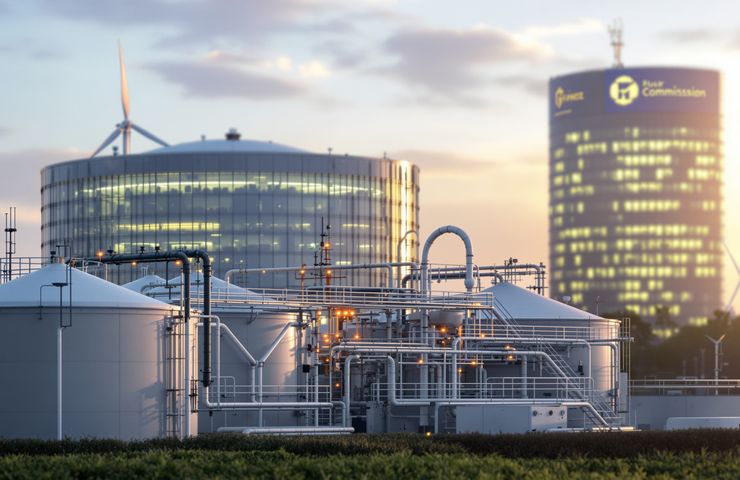
This partnership features two main types of power plants. First up, we have the hydrogen-ready gas-fired power plants, which employ either combined-cycle or open-cycle turbines that currently burn natural gas. They operate efficiently by capturing waste heat for a secondary steam turbine stage. The components like tubes, burners, compressors, and control systems are being designed specifically for hydrogen’s unique characteristics—like its speedy flame and potential for material embrittlement. Key design goals here include high efficiency, robust safety features, and modular layouts that make the future conversion to hydrogen a breeze. Once hydrogen supply chains develop, these plants will be primed for a straightforward switch—just swap in hydrogen-capable burners, tweak controls, and upgrade fuel lines, and voilà, they’re ready to run solely on hydrogen. Then we have the hydrogen sprinter plants, dedicated units designed to fire up on pure hydrogen from the get-go, providing fast, zero-emission backup during those peak demand times.
Breaking Ground on Storage Solutions
But that’s not all! The initiative also dives into long-duration electricity storage technologies capable of holding significant energy for hours or even days. Some systems tap into power-to-hydrogen pathways: surplus wind and solar energy drive electrolysers, producing hydrogen stored in tanks, pipelines, or even underground caverns. When the energy is needed, it gets reconverted to power through turbines or fuel cells. Other solutions involve extended-discharge batteries, pumped hydro, or compressed air storage. These technologies provide strategic reserve capacity during critical times, like those extended low-wind periods in winter, helping to minimize costs tied to redispatch when generation doesn’t match demand.
Solving Regional Grid Challenges
As Germany phases out nuclear plants and plans for coal to follow suit, there's a looming risk of power shortages when wind and solar generation takes a dip. That’s why focusing new capacity in southern states—home to significant energy hubs in Bavaria and Baden-Württemberg—is key. This project aims to ease the pressure on long-distance transmission lines, cut redispatch costs, and strengthen regional stability. Local industries, data centers, and communities stand to reap the benefits of reliable, on-demand backup power, solving genuine challenges and supporting ongoing economic activity.
Building a Sustainable Hydrogen Market
This collaboration isn’t just about building plants; it’s about anchoring the emerging hydrogen economy. The plan sets binding conversion deadlines and ensures climate-neutral operations are baked into the legal framework. This model signals hydrogen producers, pipeline operators, and storage developers about the long-term demand they need to invest in green and low-carbon electrolysers, transport networks, and local supply chains. The talks with the European Commission have already sewn up state aid approval that aligns with EU regulations, meaning financial support will back both investment costs and operational differences during the hydrogen transition phase. By setting up guaranteed offtake agreements, this project can lure in private investment while enjoying public backing to bridge early market gaps.
Made in Germany, Made for Germany’s Future
What’s really cool is that the turbines, controls, and storage units are all going to be made, assembled, and tested right here in Germany. This isn’t just any initiative—it’s genuinely tailored for Germany's future. By leveraging the country’s advanced engineering know-how and R&D networks, the partnership is set to speed up deployment, cut costs, and create a ton of quality jobs in engineering, construction, and plant operations across the region. Local suppliers in steel, electronics, and control software are also in the mix, which helps boost domestic value chains and fosters innovative hubs.
A Greener Path Forward
What truly sets this project apart is the clear, legally binding roadmap that transitions from gas-based flexibility to green power. Each hydrogen-ready plant has to plug into 100% hydrogen operation by its eighth year, and by 2045, the entire fleet is required to be climate-neutral, thanks to the national Climate Protection Law. This phased approach smartly balances the immediate need for grid reliability with long-term decarbonization, ensuring that power sector emissions steadily decline even while renewables and hydrogen supply expand.
Looking Ahead
This comprehensive initiative is all about tackling real-world challenges in Germany’s evolving power system. By blending flexible gas turbines, pure hydrogen sprinters, and long-duration storage solutions, it promises reliable electricity while speeding up decarbonization. As tenders roll out and the first sites begin to take shape, Germany is taking a bold leap toward a climate-neutral energy future that not only supports local industries but also capitalizes on its homegrown engineering talent, setting a blueprint for others to follow.