France Hydrogène urges inclusion of hydrogen in national electrification plan
France Hydrogène criticized the government’s electrification plan for ignoring hydrogen, urging explicit inclusion of clean hydrogen production, grid updates and financing measures to decarbonize hard-to-electrify sectors.
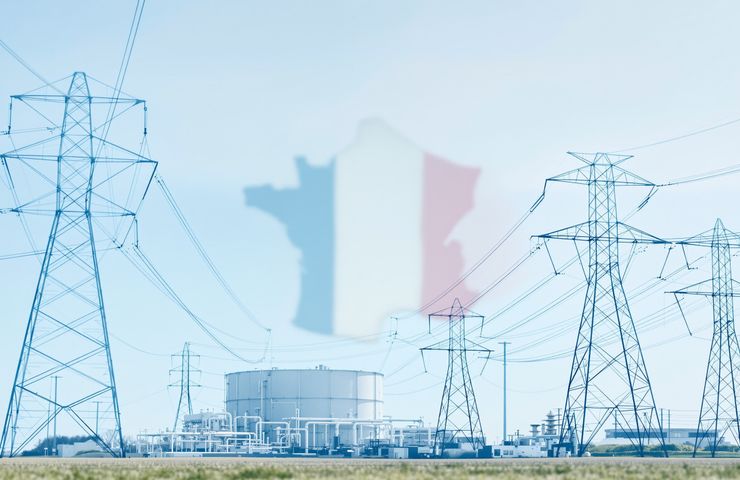
This month, France Hydrogène really threw down the gauntlet when it criticized the government's big electrification plan for completely overlooking hydrogen. As ministers roll out a 22-point strategy aimed at pushing buildings, transportation, and industry towards low-carbon electricity, the industry group is sounding the alarm that ignoring hydrogen could leave crucial sectors in the dust.
Government plan sidelines hydrogen
Led by Prime Minister Sébastien Lecornu, France’s government recently unveiled an electrification roadmap designed to reduce reliance on imported oil and gas by ramping up domestic power use. The plan outlines a comprehensive agenda, including building upgrades, electric vehicle rollouts, industrial decarbonization, and better transmission infrastructure. However, there's a glaring omission: hydrogen doesn’t get a shout-out, even though it had featured prominently in previous energy strategies.
Industry association pushes back
That’s where France Hydrogène comes in. This key trade body, which represents a variety of stakeholders in the hydrogen ecosystem, didn’t hold back in its critique of this oversight, even publishing its own take on the plan. They argue that hydrogen should work hand in hand with electrification, particularly for industries that face hurdles when it comes to electric solutions. This stance aligns with France’s 2020 hydrogen strategy and the funding initiatives under the France 2030 framework, which allocated resources for increasing electrolyzer capacity and boosting hydrogen infrastructure.
Green hydrogen production and electrolysis
The crux of the issue revolves around hydrogen electrolysis, a clean method for producing hydrogen using low-carbon electricity to split water into hydrogen and oxygen. Electrolyzers—be it alkaline, proton-exchange membrane (PEM), or solid oxide—convert electricity into a storable form in a flexible way. In a country where nuclear and renewables already make up a significant chunk of the energy grid, producing green hydrogen through electrolysis offers a much lower lifecycle emission footprint compared to fossil fuels. Plus, these projects can leverage excess renewable energy during off-peak times, acting as a sort of energy balancing act. Although costs can be a sticking point, advances in technology are steadily bringing those prices down.
Indirect electrification via hydrogen
Unlike direct electrification—which relies heavily on wiring and batteries—indirect electrification transforms electricity into hydrogen, replacing fossil fuels in more complex applications like high-temperature processes or those needing feedstocks. France Hydrogène highlights some promising avenues here, such as in refining, the production of fertilizers, steel manufacturing, and the creation of synthetic fuels for aviation and maritime transportation. This method also opens the door for hydrogen storage solutions, allowing for energy distribution that can span seasons and geographical areas.
Project pipelines and electricity demand
According to their recent policy brief, France Hydrogène estimates hydrogen projects currently in the pipeline could tap into around 24 TWh of electricity by 2030–32, with that figure potentially soaring to 60 TWh by 2035. While these are just estimates, they underscore how quickly demand for electrolyzers could surge. This rising demand could clash with other electricity consumers like electric heat pumps and digital tech, emphasizing the need for coordinated planning across sectors.
Grid planning and infrastructure
For electrolyzer operators, securing reliable access to the grid is essential. Right now, the queues for high-voltage connections are growing as various sectors make the switch to electricity. To tackle this, France Hydrogène is calling for updated grid codes that prioritize hydrogen projects, along with clear timelines for interconnection and straightforward ways to sort out issues when capacity constraints pop up. And since hydrogen producers often need specific voltage levels that differ from typical industrial sites, adapting the grid codes becomes even more critical.
Financing and offtake agreements
Behind every successful electrolyzer project is a strong financial foundation and solid offtake agreements. That’s why the association is pushing for the creation of clean hydrogen agreements that are reminiscent of those seen in renewable energy auctions. They’re advocating for financing instruments specifically designed for hydrogen initiatives. Industry insiders stress the need for bankable corporate power purchase agreements (CPPAs) that fit the unique demands of hydrogen projects, which could help mitigate investment risks, secure revenue streams, and demonstrate that France is genuinely committed to building a robust hydrogen ecosystem.
Balancing decarbonization pathways
The aim of the government’s electrification strategy is to enhance competitiveness by leveraging France’s low-carbon electricity mix to replace fossil fuels. However, for heavy industries and long-distance transport, direct electrification often hits physical and economic limits. This is where hydrogen really shines as a crucial decarbonization tool, allowing sectors like refining, chemicals, and steel to keep their competitive edge while slashing emissions. Authorities need to weigh the benefits of hydrogen against electrification on a case-by-case basis, using lifecycle analyses and cost-benefit models to guide their decisions.
Policy tension and future stakes
France has taken the lead in adopting a national hydrogen strategy and has already pumped public funding into various electrolyzer pilot projects. Despite these efforts, the new electrification plan seems to treat hydrogen as an afterthought. Upcoming consultations will be a critical chance to carve out explicit policy support for hydrogen. How this unfolds may greatly impact domestic hydrogen infrastructure, support hydrogen storage markets, and ultimately decide if France can position itself as a green hydrogen leader or fall behind its competitors.
Looking ahead
As Europe scrambles for a foothold in green hydrogen, France's upcoming moves will reveal its priorities. With its rich nuclear resources and expanding renewable capabilities, the country has a real chance to become a powerhouse in green hydrogen production. But if hydrogen stays on the sidelines of the electrification plan, it risks creating a confusing regulatory environment for projects to navigate. Including hydrogen in national electrification roadmaps could accelerate the build-out of hydrogen infrastructure and bolster France’s position in negotiations related to hydrogen project financing at the European level.