Hydrogen Infrastructure Takes Flight: Edmonton Airports Joins H2CanFly to Lead Aviation Decarbonization
Edmonton Airports partners with H2CanFly to advance hydrogen-powered aviation, positioning Canada as a global player in sustainable flight innovation.

Edmonton International Airport (YEG), the biggest airport in Canada by land area, just made headlines by officially joining the H2CanFly / H2CanadaEnvol consortium. This move, announced on June 18, 2025, at the Paris Air Show, signals a big leap toward hydrogen-powered aviation and greener airport operations.
YEG Takes Off with Hydrogen Innovation
By becoming a core player in the H2CanFly consortium, Edmonton Airports is stepping into a leadership role on the path to zero-emission aviation. They’ll join the project’s Board of Directors and expand their role as a real-world testbed for cutting-edge clean flight tech. With Canada’s first airport-based hydrogen hub already up and running, YEG is well-positioned to support everything from trial flights to hydrogen fueling infrastructure and next-gen aviation rulemaking.
This partnership is also a big boost to YEG’s long-term plan to hit net-zero emissions as part of Canada’s climate challenge. But this isn’t just about carbon cuts at one airport—it’s about laying the groundwork for cleaner skies nationwide.
Meet the Hydrogen Dream Team
The H2CanFly / H2CanadaEnvol initiative is packing some serious firepower. With over 50 heavyweight partners—including Airbus, CAE, National Research Council Canada (NRC), Redrock Power Systems, and Tronosjet—the group covers everything from advanced hydrogen propulsion systems to getting airports ready to handle these next-gen aircraft.
Why Edmonton? It Makes Perfect Sense
Edmonton isn’t just a location—it’s a launchpad. The region produces about 60% of Canada’s hydrogen, thanks to deep energy industry roots and solid infrastructure. That makes it the perfect spot to lead flight tests and drive innovation in sustainable energy. It’s a city that’s shifting from oil and gas to a booming clean-tech economy—and now, that momentum’s headed straight for the runway.
What This Means for the Industry (And the Planet)
YEG joining forces with H2CanFly is a game-changer that could ripple far beyond airport gates. Here’s what’s on the radar:
- Jumpstarting hydrogen aircraft testing with real infrastructure and airspace to fly in.
- Slashing aviation emissions, tackling one of the hardest-to-decarbonize sectors head-on.
- Creating skilled jobs in clean technology, safety systems, and aircraft integration.
- Boosting exports of Canadian-made hydrogen fuel cell tech and electrification solutions.
- Sparking collaboration across research labs, companies, and government regulators to fast-track approvals and adoption.
What’s Under Development?
The partnership isn’t just talk—it’s about putting real technology on the tarmac:
- Hydrogen Propulsion Tech: From fuel cell technology to engines that burn hydrogen directly, the goal is zero-emission flight with enough energy density to go the distance.
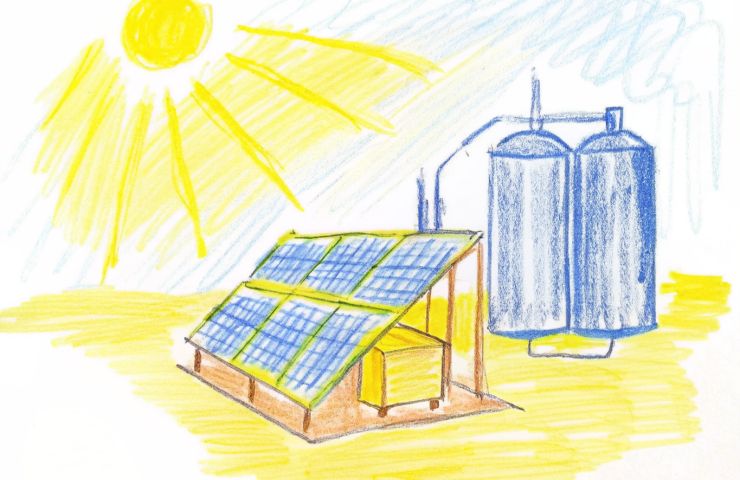
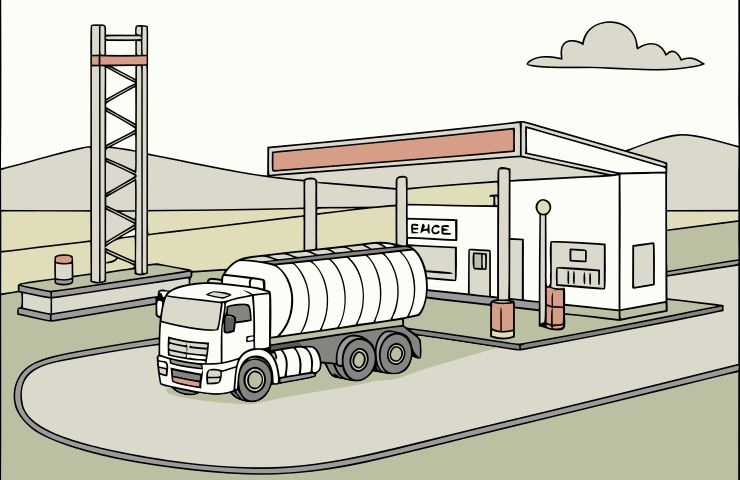
- Hydrogen Hubs at Airports: Integrated refuel and storage systems designed specifically for the hustle of airport operations, making hydrogen infrastructure part of the airport layout.
- Aircraft Electrification: Building electric and hybrid-powered aircraft systems, often using hydrogen to generate the power behind the propellers and support vehicles.
YEG’s not new to innovation—it already runs the Airport City Sustainability Campus, a testbed for eco-tech that lets them trial these systems in the real world, not just in computer models or lab benches. It’s like having a clean-tech playground with actual planes.
A National Effort with Global Reach
Hydrogen is front and center in Canada’s clean energy story, and now YEG is helping write the aviation chapter. With global pressure mounting to green the skies, early movers in hydrogen production and delivery could shape the worldwide standard—and enjoy the economic rewards that come with it.
As one partner put it at the event, “This isn’t just about building airport infrastructure. It’s about laying out a blueprint for clean aviation that can work at airports around the world.”
With strong backing from industry and government, and the local advantage of a booming hydrogen economy, YEG is in a prime spot to lead the charge—not just on which planes go greener, but on how the whole world gets airports ready for the fuel cell-powered future.
Bottom Line: The Future Is Now
This isn’t some far-off dream—it’s happening. Hydrogen aviation is ready to take off, and Edmonton International Airport is helping pilot the transition. With fuel cell technology moving from lab tests to live runways, YEG is proving that the next generation of flight is just over the horizon—and it’s looking a whole lot cleaner.