Hydrogen Infrastructure Takes Shape: Hydrexia and Samator Partner to Advance Storage and Transport in Indonesia
Hydrexia and Samator are partnering to build Indonesia’s hydrogen infrastructure, starting with a pilot near Surabaya to support industrial decarbonization and future exports.
New Strategic Alliance Targets Indonesia’s Growing Hydrogen Market
On June 24, 2025, a key milestone was reached in Indonesia’s clean energy journey. Hydrexia Singapore Pte Ltd and PT Samator—the country’s leading industrial gas company—signed a memorandum of understanding (MOU) to team up on building out cutting-edge hydrogen infrastructure. Their goal? To meet the rising demand for clean energy across Indonesia and lay a solid foundation for future hydrogen exports, with a keen eye on nearby Singapore.
Market Impact: Combining Tech Strength with Local Reach
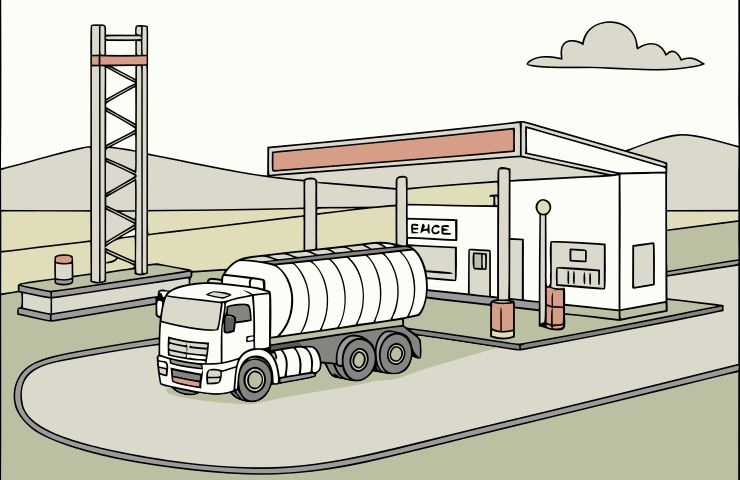
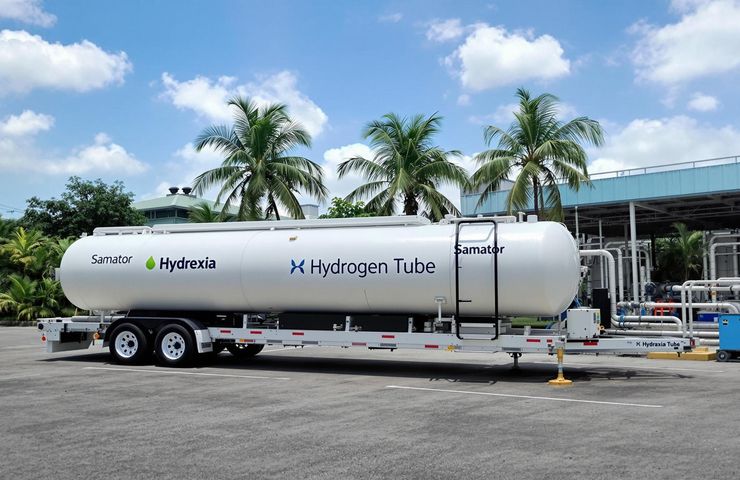
This partnership is more than just a handshake—it’s a strategic match-up. Hydrexia brings in the tech muscle with its advanced metal hydride storage systems, tube-trailer filling units, and hydrogen purification tech. On the flip side, Samator brings boots on the ground, with a widespread production and delivery network that covers more than 70 locations throughout the archipelago.
By 2027, Indonesia is projected to need about 18,000 tonnes of hydrogen annually. That demand’s being fueled by a push to clean up heavy-polluting sectors like steel production and fertilizer manufacturing. To kick things off, the partners are launching a pilot project near Surabaya—one of Indonesia’s industrial hot spots. The trial will test how Hydrexia’s metal hydride packaging holds up in local conditions, and depending on results, it could pave the way for a broader rollout of mobile hydrogen solutions.
Technical Snapshot: Metal Hydride Storage for Safe, Mobile Hydrogen
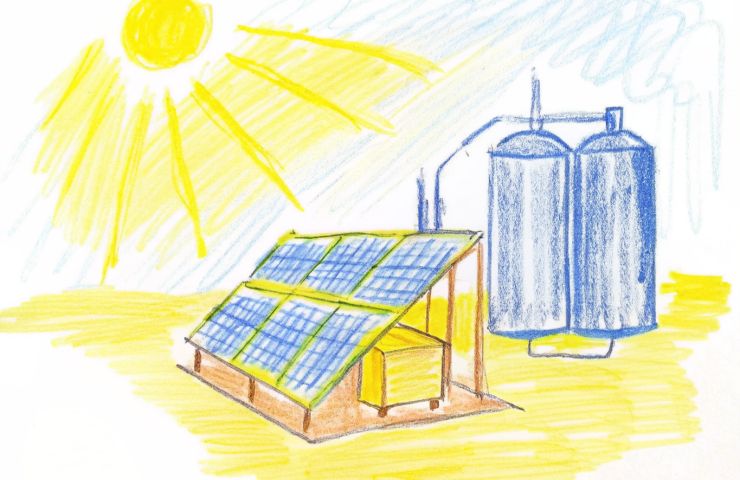
At the heart of it all is Hydrexia’s metal hydride storage tech. This system lets you store and move hydrogen in solid form—no high pressure needed. Think compact, low-risk containers that lock in hydrogen in metal alloys and release it with heat. It’s a game-changer for places without big pipelines—making hydrogen production and delivery safer and more accessible for off-grid industries.
Key Takeaways
- Strategic Fit: Hydrexia gets a much-needed entry point into Southeast Asia’s biggest market, while Samator adds cutting-edge hydrogen tech to its energy lineup.
- Technology Transfer: They're already diving into joint studies on licensed manufacturing—an important step toward building up Indonesia’s own hydrogen know-how.
- Export Prospects: Down the road, this could link up with Singapore through hydrogen export routes, using Indonesia’s existing gas terminal infrastructure.
- Capital Mobilization: With resources and expertise aligned, deploying hydrogen storage and delivery projects should speed up dramatically.
Historical Context and Future Trajectory
Indonesia’s industries have leaned heavily on fossil fuels for decades. But with both climate pressures and the need for modernization building, the government’s new policies spotlight hydrogen energy as a key driver for industrial decarbonization. This partnership between Hydrexia and Samator is a clear sign that the shift is more than just talk.
Surabaya makes a smart starting point—it’s already a major industrial zone with good logistics and infrastructure. If the pilot goes well, it could lead to a nationwide network of mobile, solid-state hydrogen systems. That’s the kind of practical step that could help spark an entire hydrogen economy across the country.
Parallel Developments
This isn’t happening in a vacuum. Similar efforts are underway in places like Japan and Korea, where mobile hydrogen is helping open up the market while full-scale infrastructure comes online. Earlier this year, Hydrexia also kicked off operations in India, reinforcing its push to dominate hydrogen technology in the Asia Pacific region.
Outlook
Sure, there are still hurdles—things like high upfront costs, the need for clear policies, and hydrogen pricing uncertainty. But this kind of strategic partnership shows how those barriers can be tackled head-on. By teaming global tech leaders with strong local players, countries like Indonesia can move faster toward their clean energy goals.
Bottom line: if everything comes together, this isn’t just about building out infrastructure. It’s about helping Indonesia take a lead role in rewriting the energy playbook for Asia.