Plug Power Monetizes Hydrogen Infrastructure in Texas and New York for Data Centers
Plug Power sells its Texas and New York hydrogen infrastructure sites to Stream Data Centers, unlocking over $80M in near-term liquidity as part of a broader optimization plan.
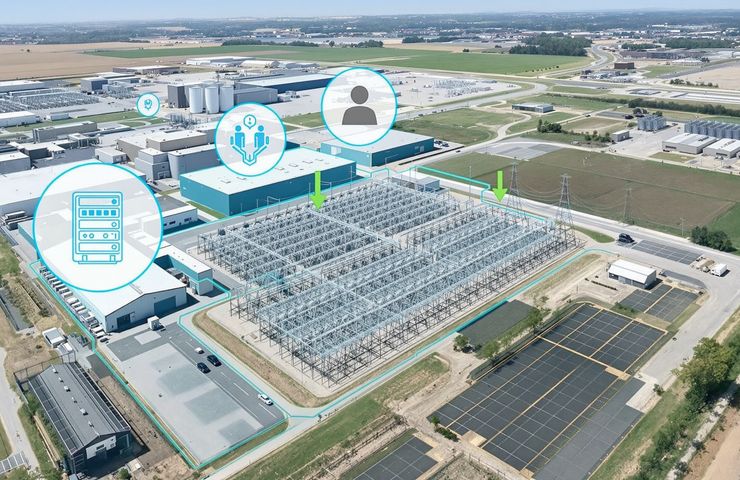
Plug Power has sealed the deal to sell off two of its grid-ready sites to Stream US Data Centers. These moves hint at a changing perspective on how hydrogen infrastructure is valued, especially as the demand for power interconnection assets picks up speed in the rapidly expanding data center development sector. You might wonder: how does this affect the relationship between green hydrogen production and the growth of digital infrastructure?
Core Transaction Details
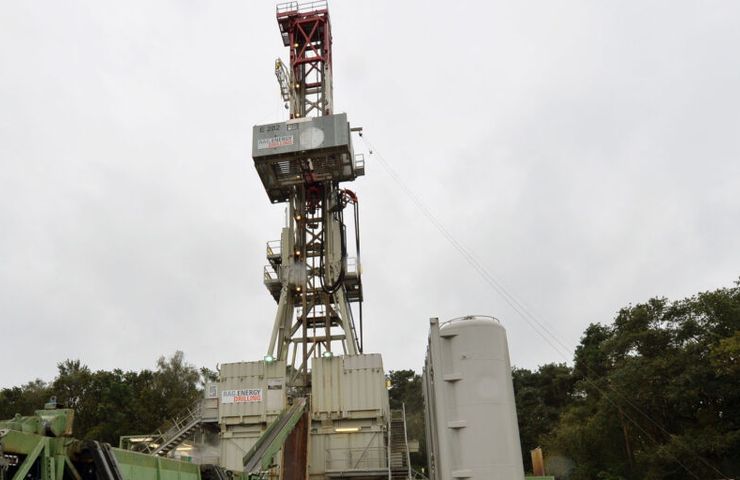
Just recently, Plug Power made headlines by announcing two agreements to pivot its energy sites located in Texas and New York. The first one involves the Graham, Texas Project, a 164 MW interconnection hub that was initially set up for wind-powered electrolysis. The second deal looks at the New York Gateway Project—a hydrogen plant situated in a prominent upstate industrial park—where the closing process will be staged according to set regulatory milestones.
These deals are part of a larger strategy to enhance asset optimization, aiming for a whopping $275 million boost in overall liquidity. According to Plug Power, they expect to net over $80 million pretty quickly from the Texas deal and the first part of the New York sale, which will help tidy up their balance sheet and ease some financial pressure on other green hydrogen projects.
Jose Luis Crespo, the CEO of Plug Power, pointed out that these sales will not only shore up the company's financial stability in the short term but also open doors in the fast-growing digital infrastructure scene. By steering funds away from less developed hydrogen projects towards assets that are ready for action, Crespo is aligning with a strategy that prioritizes initiatives backed by secure offtake agreements.
The staged approach for the New York sale builds on a previous agreement shared earlier this year. It’s clear that Plug Power is keen on balancing its liquidity requirements with the timelines set by regulatory approvals, all while maintaining the value of its longer-term hydrogen ventures.
Asset Composition and Financial Impact
Looking at the numbers, it's evident there's more than meets the eye when it comes to these transactions. For example, in Graham, Texas, the deal includes:
Meanwhile, the New York deal has transformed into a two-phase agreement. Stream has already put down $21.5 million against a fixed purchase price of $142 million for land, substation assets, and assignments of third-party agreements, with the remaining amount set to close once environmental evaluations and permit transfers are wrapped up, targeting early 2027.
From a financial strategy viewpoint, these cash flows will assist Plug Power in:
It’s important to note that grid interconnection assets encompass a lot, including line rights, substations, transformers, switchgear, and contractual scheduling agreements that govern how power moves to specific sites. Securing all these components in ERCOT’s busy queue can take ages, which makes pre-built interconnection a precious find.
In New York, the substation capacity within the STAMP industrial park, coupled with the reassigned transmission permits, makes the site even more attractive to hyperscale operators looking for green data centers with shorter lead times.
Strategic Shift: From Green Hydrogen to Data Centers
Originally, both the Texas and New York sites were part of Plug Power’s ambitious plans for a clean hydrogen network. The Graham project was even in the running for up to six facilities under a hefty $1.66 billion U.S. Department of Energy loan guarantee program kicked off in early 2025. Meanwhile, the Gateway site at the STAMP industrial park in Western New York offered promising transmission capacity and ample space for multi-megawatt electrolyzers.
This vision seemed to align with a growing sentiment: pour money into large-scale green hydrogen production via electrolysis that uses renewable energy or grid electricity, and line up long-term offtake agreements. But then the practical hurdles came rushing in—permitting delays, unexpected capital costs, and stiff competition for interconnection slots—that kept project rollouts at bay.
Behind closed doors, hefty initial costs for electrolyzer stacks, water intake setups, and the complexities of permitting have slowed things down. With hydrogen project financing tightening, developers are feeling the heat to show clear revenue paths before dumping more capital into unproven sites.
On the flip side, Stream US Data Centers steps into a marketplace desperate for hyperscale data centers that need consistent, reliable access to massive amounts of power. For them, picking up a site that's already equipped for heavy industrial loads can drastically cut down development times—sometimes trimming months or even years off the schedule. So, the promise of interconnection that once bolstered green hydrogen projects is now mighty useful for digital infrastructure.
Implications for Hydrogen Infrastructure and Data Center Sectors
These two deals really bring to light some significant trends at the crossroads of energy and digital infrastructure:
As hyperscale operators start bidding higher for interconnection slots compared to hydrogen producers, we may see shifts in grid queues that prompt new policy proposals aimed at allocating capacity based on project readiness or decarbonization impact. Those in charge will need to juggle how to maintain growth on both clean energy fronts and digital landscapes at the same time.
Another consideration is the changing ecosystem of partners and investors. Traditional energy companies, venture capitalists, and infrastructure funds might rethink their strategies, favoring shorter-cycle digital loads instead of the prolonged timelines typical of green hydrogen projects.
On the environmental side, repurposing existing industrial sites can help alleviate new land disruption, but pushing power towards data centers instead of hydrogen fuel cell facilities shifts the equation on decarbonization. After all, digital loads still need clean power sources to align with broader sustainability targets.
Company and Market Context
Founded in 1997, Plug Power has emerged as a major player in the U.S. hydrogen fuel cell, electrolyzer, and broader hydrogen infrastructure landscape. Over the last five years, they’ve pushed for a robust expansion of green hydrogen assets, all while leveraging federal incentives and research partnerships. However, the company has acknowledged that some projects require heavy capital and have extended timelines into the mid-decade.
Stream Data Centers, on the other hand, has a solid reputation with projects spread across several states, each focused on power density, cooling efficiency, and low-carbon connections to the grid. By taking over Plug Power's sites, they can ramp up their build-out schedule while cutting down on upfront costs for new utility infrastructure.
Looking Ahead
These transactions serve as a fascinating example of how hydrogen infrastructure and data center development are vying for the same high-value real estate. Stakeholders should keep an eye on:
At the end of the day, these actions signal a reordering of what’s deemed valuable in the energy landscape, where access to electricity may become more crucial than the output of the final product—especially when capital is drying up and timelines are tight.