Hydrogen News: voestalpine Begins Construction of Hy4Smelt Steel Demo in Linz
voestalpine AG has begun constructing the Hy4Smelt demonstration plant at its Linz site, combining HYFOR hydrogen direct reduction with electric smelting to produce green steel at industrial scale, with first output targeted for late 2027.
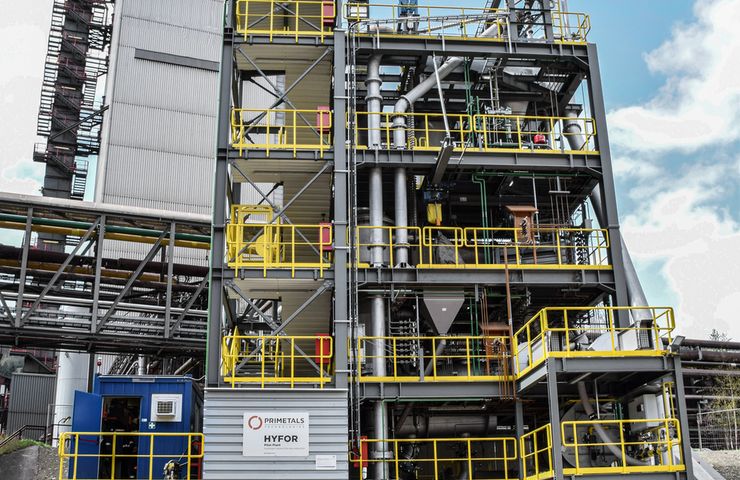
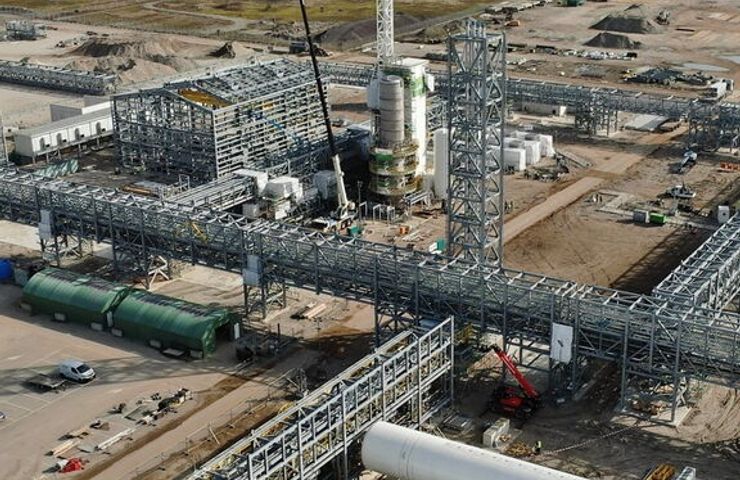
voestalpine AG has kicked off the construction of the Hy4Smelt demonstration plant at its Linz site in Austria, which aims to pioneer hydrogen-based steel production using green hydrogen and electricity instead of coal. Voestalpine considers this project Austria’s largest climate-action research initiative. They started building in late 2025, and already, work on steel erection, equipment installation, and civil works is well underway.
This ambitious project brings together several key players, including Primetals Technologies, who is co-developing and supplying the technology for the HYFOR hydrogen direct-reduction process as well as the Smelter electric smelting unit. They’re teaming up with Rio Tinto, which is providing the raw materials. The setup is designed to produce about 3 metric tons of hot metal per hour, marking it as the world’s first large-scale integration of these cutting-edge technologies. We’re looking at the first round of production expected by the end of 2027, with research continuing through 2030 and an investment of around EUR 170 million. Primetals is going to bring in advanced process controls to connect HYFOR outputs directly to the smelter feed stream, while voestalpine manages the site integration, with Rio Tinto offering ultra-fine ore and expertise to meet the specifications for direct reduction.
Strategic Framework under greentec steel
The heart of Hy4Smelt aligns perfectly with voestalpine’s greentec steel decarbonization roadmap, which is aiming for net-zero CO₂ emissions by 2050 through a phased approach. Located in Upper Austria’s Linz region—a long-standing hub of heavy industry and logistics along the Danube—the site already features electric-arc furnaces and CO₂-reduced steel products. The Hy4Smelt project adds another layer by targeting that crucial ironmaking step. Thanks to the nearby Danube hydropower, they’re tapping into low-carbon electricity, and local grid upgrades are in the works to manage the increased load.
Hydrogen Direct Reduction with HYFOR
Using the HYFOR technology, they can process ultra-fine iron ore in a fluidized-bed reactor, where green hydrogen effectively strips off the oxygen, producing direct-reduced iron and just water vapor—no pelletizing or sintering needed. This is a huge leap in hydrogen production methods because it simplifies how they prepare their feedstock and ramps up energy efficiency. Unlike traditional shaft furnaces, HYFOR can adjust the hydrogen flow in real time based on supply, ensuring reduction levels stay above 90 percent and keeping operations stable without the need for pelletizing. The resulting direct-reduced iron (DRI) is custom made to feed directly into the downstream smelter.
Electric Smelting for Hot Metal
After the reduction process, they’ll melt and finish-reduce the DRI in the Smelter electric furnace, where high-current electrodes instead of coke combustion do the heating. This electric smelting method uses electric arcs to crank up the heat to over 1,500 °C and finish-reduces the DRI with minimal oxygen injection. The result? High-quality hot metal or pig iron that’s ready to be used in existing converters or electric arc furnaces (EAFs), showing how industrial decarbonization can indeed progress beyond the traditional blast furnace. Plus, its adaptive power management makes it easier to tap into renewable energy sources as they become available.
Backing from Green Hydrogen Infrastructure
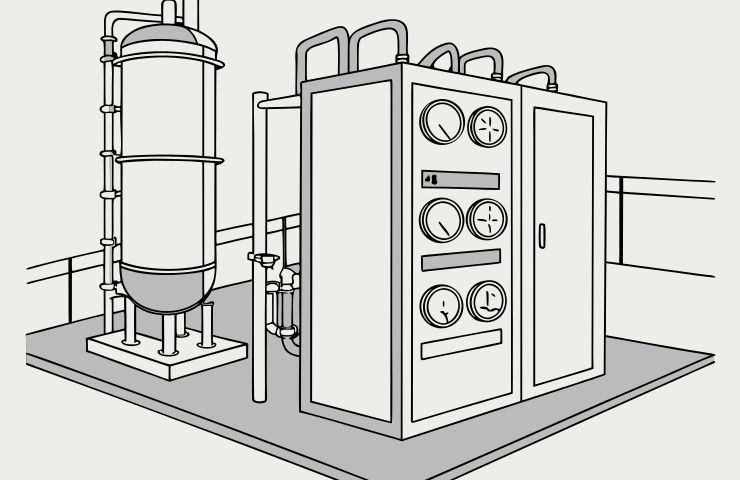
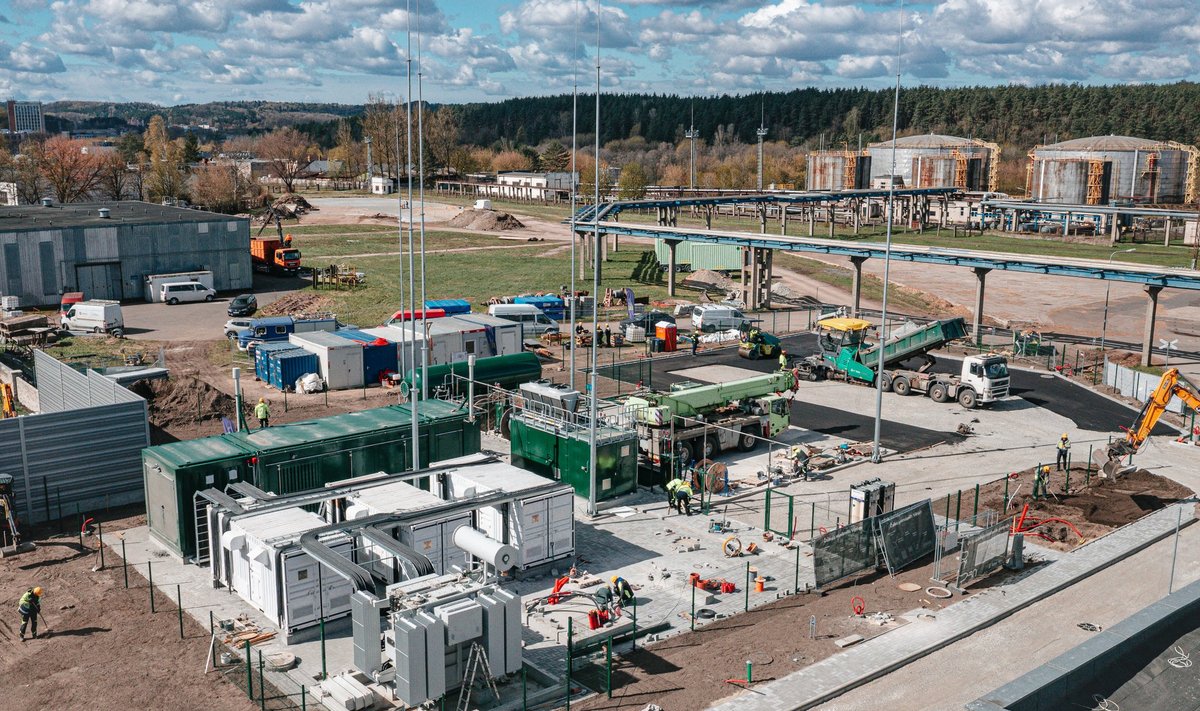
Hy4Smelt is taking advantage of the on-site H2FUTURE PEM electrolyzer, operational since 2019 and jointly run by voestalpine and VERBUND. This setup harnesses renewable electricity to split water into hydrogen and oxygen. They’re currently pushing hydrogen at pressures up to 30 bar into buffer tanks. Plans to ramp up capacity are already in the pipeline, further enhancing the project's hydrogen infrastructure and ensuring a steady supply of hydrogen, highlighting the importance of integrated storage and compression for seamless operations.
Economic and System Challenges
However, green steel production isn’t without its challenges. It typically demands a heavier electricity supply and requires robust hydrogen storage and compression systems. Industry analyses suggest that hydrogen-based routes could be anywhere from 10% to 50% pricier than traditional blast-furnace methods, depending largely on local energy costs. Given that electricity costs are a major part of operating expenses, the extended lead times for electrolyzers can complicate matters under current supply constraints. That’s where Hy4Smelt comes into play, as they’ll be providing valuable data on CAPEX distribution and operating expenditures to better inform hydrogen project financing models in the future.
Policy and Financing Landscape
With support from both Austrian ministries and the EU’s Research Fund for Coal and Steel, the project is positioned to influence carbon-pricing and subsidy frameworks. This backing by national and European entities showcases a push to maintain industrial competitiveness amidst stricter emissions regulations. What’s more, the findings from this demonstration regarding the cost per tonne of CO₂ abated could potentially shape future policy directions.
Supply Chain and Integration
Yet, there are hurdles to navigate with equipment like compressors, valves, and high-temperature piping facing significant lead times. Process engineers will dive into studying ramp-up rates, purity swings, and how systems respond to grid variability, essentially mapping out a plan for broader industrial integration. Ensuring a steady hydrogen flow in the face of variable renewables will be crucial in validating the key components for large-scale clean hydrogen deployments.
Outlook for Green Steel
The data generated from Hy4Smelt could help inform retrofit strategies for integrated mills rich in renewable energy. Successfully paving the way could lead to zero-emission hubs that blend DRI and scrap, cut down on coke imports, and push forward circular steel production. By funneling hot metal into existing workflows, this demonstration stands as a vital bridge between today’s steel-making practices and a low-carbon future.
As they anticipate the first hot metal by late 2027, the analysis will carry on through 2030, giving voestalpine and its industry partners the insights needed to see whether hydrogen-based steelmaking can truly transition from demo mode to commercial viability. The results of this endeavor will be key in shaping investments and policy directions for the next generation of zero-emission primary steel production.