Hydrogen Production at Stanlow: Essar’s £4.3bn Energy Transition Blueprint
Essar Group has unveiled a £4.3 billion plan to decarbonize its Stanlow refinery through blue hydrogen, carbon capture, hydrogen-ready equipment, and sustainable aviation fuel, aiming for a 95% cut in emissions and boosting regional industrial growth.
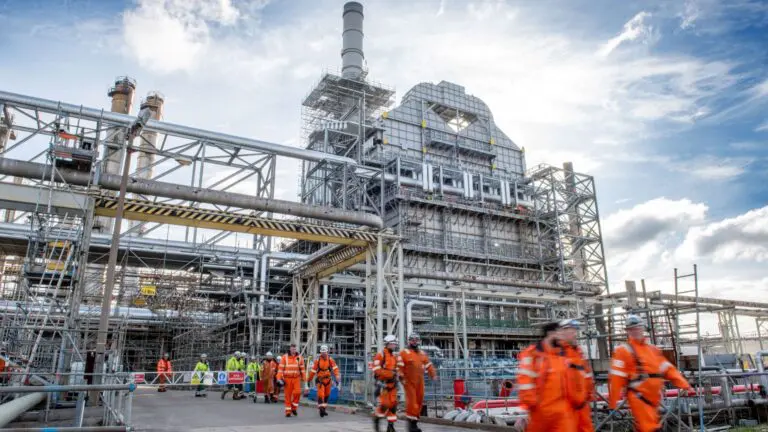
Essar Group is making some big moves with its £4.3 billion energy transition at the Stanlow Manufacturing Complex in Ellesmere Port, Cheshire. They're shaping this site into a key player in the low-carbon energy scene. A major part of this vision? Large-scale hydrogen production, along with carbon capture projects and sustainable aviation fuel initiatives aimed at slashing refinery emissions by up to 95%. It's all about helping regional industries clean up their act.
Essar Oil UK snagged the Stanlow site back in 2011, and it got a fresh makeover as EET Fuels in 2024. Right now, it churns out around 16% of the UK's road transport fuels. Over the years, they’ve dumped more than $1 billion into modernizing facilities, laying the groundwork for a serious shift towards decarbonization. With hydrogen production at the forefront, they’re gearing up to cut around 2 million tonnes of CO₂ from their operations each year thanks to carbon capture and storage (CCS).
Scaling Blue Hydrogen
EET Hydrogen, previously known as Vertex Hydrogen, is stepping up to create the UK’s biggest blue hydrogen hub right at Stanlow. The first phase involves launching two plants—HPP1 with a capacity of 350 MW and HPP2, aiming for 1 GW. Together, they’re set to produce about 1.35 GW of hydrogen, capturing around 1.8 million tonnes of CO₂ annually. And it doesn’t stop there; they’re eyeing a total of roughly 4 GW by 2030, which would cover nearly 40% of the UK’s 10 GW low-carbon hydrogen goal.
This is real industrial decarbonization in action. They’ll be using reformers to turn natural gas and refinery off-gas into hydrogen while also deploying integrated systems to capture CO₂. Those captured emissions will be transported through a network of pipelines as part of the HyNet North West cluster, heading straight to depleted gas fields beneath Liverpool Bay. The combination of blue hydrogen and CCS is expected to have a much lower carbon footprint compared to burning fossil fuels without any capture in place.
Hydrogen-Ready Furnaces and CHP
On the technical side, EET Fuels is rolling out the UK's first hydrogen-ready refinery furnace, thanks to a £7.2 million grant from the government. This furnace is specially designed to handle higher flame speeds and different energy densities. It’ll initially burn refinery off-gas and then fully switch over to low-carbon hydrogen by around 2028. This upgrade alone is anticipated to reduce CO₂ emissions by up to 200,000 tonnes a year once they make the switch.
In tandem with the furnace, there’s a plan for a hydrogen-ready combined heat and power (CHP) plant that’ll provide onsite electricity and steam. Kicking off with natural gas, this facility is set to supply up to 125 MW of electricity and 6,000 tonnes of steam daily, making the switch to hydrogen when the supply ramps up. This boosts overall efficiency while cutting down on emissions and reducing reliance on the grid.
Capturing Carbon
A critical element in achieving substantial emission cuts is a £360 million carbon capture facility at Stanlow. This was selected in the Department for Business, Energy & Industrial Strategy’s Phase-2 CCUS plans and is focused on tackling large CO₂ emitters, such as the fluid catalytic cracking unit and hydrogen plants. This system aims to eliminate up to 0.8 million tonnes of CO₂ every year. A pipeline stretching roughly 60 kilometers will connect Stanlow to coastal injection sites in Liverpool Bay.
While CCS opens the door for major decarbonization efforts, it’s not without its environmental concerns. Making sure pipelines are secure, monitoring underground CO₂ plumes, and considering impacts on marine life are all important factors that need thorough oversight. Local communities and regulators have been heavily involved in assessments to address safety and ecological challenges before moving forward.
Methanol-to-Jet Sustainable Aviation Fuel
Meanwhile, Essar Energy Transition SAF is eyeing a Methanol-to-Jet (MtJ) hub that could produce around 200,000 tonnes of advanced sustainable aviation fuel (SAF) each year. This plant will rely on about 550,000 tonnes of renewable e-methanol and bio-methanol, converting those alcohols into jet-fuel-range hydrocarbons through catalytic processes. By blending this directly into Stanlow’s existing jet fuel supply, they’re utilizing current pipeline networks to keep airports across the UK supplied.
This SAF project aligns neatly with the UK’s SAF Mandate, which is pushing for a 22% SAF mix by 2040. Integrating an MtJ unit into an operating refinery allows Essar to leverage shared logistics and storage. This means airlines can access lower-carbon kerosene without needing to build entirely new distribution systems.
Economic Impact and Jobs
An independent analysis commissioned by Essar has found that the transition at Stanlow could pump around £1.9 billion into the economy each year and support roughly 10,000 jobs by 2035 across construction, operations, and supply chains. Beyond just the Stanlow refinery, the larger HyNet North West initiative is anticipated to generate billions in gross value added and create many thousands of job-years as mid-century approaches.
For the North West area, which is home to over 350,000 manufacturing jobs, anchoring hydrogen production and CCS at Stanlow not only boosts industrial competitiveness but also opens the door to new opportunities in fields like hydrogen data centers and low-carbon chemical manufacturing. This could strengthen investment prospects in a region that’s long been known for heavy industry.
Community and Policy Dynamics
Local councils and the community have been actively involved in discussions regarding planning applications for hydrogen plants and CO₂ pipelines. Environmental assessments have looked at sensitive habitats and groundwater effects, and regulators have mandated emergency response strategies for pipeline safety. Discussions in nearby North Wales about potentially turning the area into the UK’s “CO₂ storage corridor” highlight broader conversations around environmental justice and local consent.
At the same time, UK policy frameworks like the Industrial Decarbonisation Strategy and the CCUS clustering process have been critical in securing project financing. Grants from the Industrial Energy Transformation Fund and other support programs have helped make early phases less risky, but future funding will depend on final investment decisions and drawing in private investment for what remains a capital-heavy project.
Facing the Challenges
Despite all this exciting potential, Essar’s plans rest on a few crucial elements: stable policies, ongoing public backing, and dependable gas and power markets. There are critics concerned about emissions from blue hydrogen production and associated water use, while skeptics of CCS point to worries about leaks and seismic impacts. Prioritizing thorough monitoring, making community engagement transparent, and ensuring strong regulatory frameworks will be vital to keep the momentum going.
Looking Ahead
To put it plainly, hydrogen production is at the heart of Essar’s ambitious £4.3 billion transformation at Stanlow. By aligning blue hydrogen, carbon capture, hydrogen-ready tech, and sustainable aviation fuels, they’re aiming to breathe new life into a century-old refinery. If they pull this off, Stanlow could serve as a model for how legacy industrial sites can embrace net zero, marrying technical advances with regional economic revival.
Whether they actually achieve that impressive 95% reduction in refinery emissions and establish the UK’s hydrogen infrastructure remains to be seen. But as things stand now, Stanlow is transforming into much more than just a refinery; it’s turning into a testing ground for the next frontier in industrial decarbonization. Success here could pave the way for hydrogen infrastructure to take root across the UK, ensuring a cleaner energy future.