Hydrogen production from waste: Zaragoza tenders €200M Zero Residuos fuels refinery
Zaragoza’s municipal government has launched a €200 million tender for a waste-to-chemicals refinery that will convert 150,000 tonnes of non-recyclable waste per year into methanol and hydrogen using OMNI200 gasification technology, advancing the city’s 2030 'residuo cero' goal and boosting green hydrogen production.
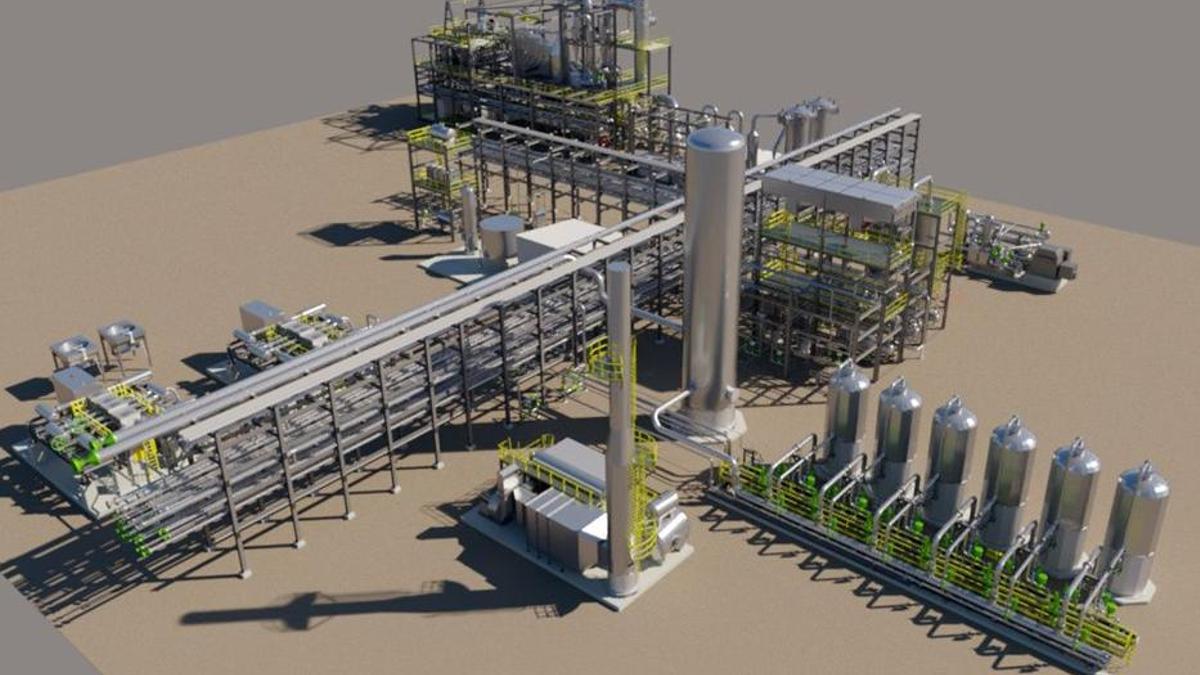
Council of Zaragoza in Spain has rolled out a tender for something really exciting: the Zero Residuos refinería. This isn’t just any facility; it’s set to be a game changer in circular economy practices. Nestled right next to the existing Centro de Tratamiento de Residuos Urbanos de Zaragoza (CTRUZ), this privately-funded facility, with a hefty investment of at least €176.5 million plus VAT (about €200 million), plans to tackle around 150,000 tonnes of non-recyclable municipal waste each year. It’ll use advanced thermo-chemical valorisation to turn leftover materials into clean synthesis gas, which will power the production of methanol, hydrogen, and other low-carbon fuels. This ambitious initiative ties right back to Zaragoza’s vision of achieving ‘residuo cero’ by 2030, aiming to significantly cut down on landfill taxes imposed under Spain’s 2022 Waste Law.
Breaking Down Waste with Advanced Technologies
So what lies at the heart of the Zero Residuos project? It’s the Omni200 gasification plant, courtesy of OMNI Conversion Technologies. Instead of just relying on mechanical and biological processes like CTRUZ does now, this new plant will handle mixed residual waste—think plastics, textiles, and any organics that just can’t be recycled. It’s all about creating a high-temperature, low-oxygen environment where these materials can be broken down into a raw synthesis gas loaded with hydrogen (H₂) and carbon monoxide (CO).
Once the waste is gasified, it goes through a series of cleaning and conditioning stages to eliminate tars, particulates, and acid gases, resulting in a “clean syngas” that matches the tight specifications needed for catalytic conversion. The project estimates that the first phase is designed to churn out around 66,000 tonnes of methanol annually and avoid approximately 100,000 tonnes of CO₂-equivalent emissions. Plus, hydrogen streams will be extracted using methods like pressure swing adsorption or membrane technologies, producing high-purity H₂ for various applications. OMNI aims to make Zaragoza its first European Zero Waste showcase, with operations expected to kick off in 2026!
Urbaser, known for running biorefineries that deal with organic waste and sludge in Zaragoza, joins forces with Abacus & Partners in this venture. Their collaboration ensures smooth integration of gasification, syngas cleaning, and downstream synthesis within a consolidated industrial framework—this is a first for Spain at the municipal level and sets a standard for urban waste-to-chemicals plants everywhere.
Pathway to Methanol and Green Hydrogen
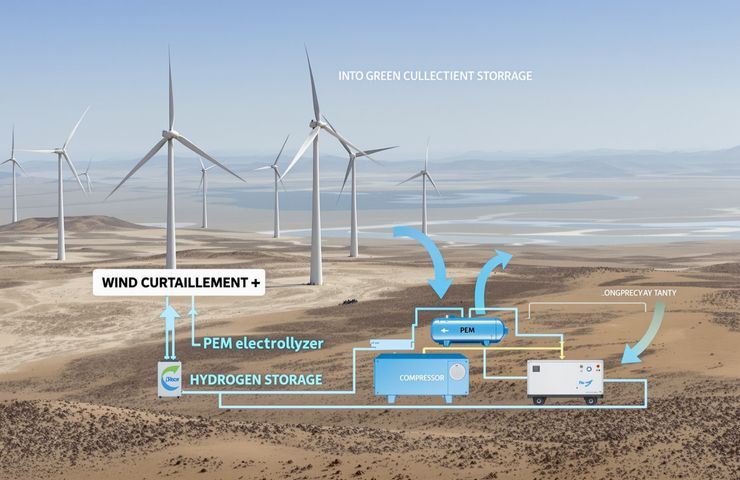
The initial focus here is on producing renewable methanol straight from waste-based syngas, but there’s a bigger picture. The roadmap includes a second stage that’ll pivot to green hydrogen production through electrolysis. Thanks to Aragón’s robust wind and solar resources, large-scale electrolyser units will split water into zero-carbon H₂. The plan is to generate about 14,000 tonnes of green hydrogen each year, which will then be combined with captured CO₂ from the plant’s synthesis processes to produce more of that e-methanol under established catalytic conditions.
This dual-method approach highlights a growing trend in hydrogen production, blending thermo-chemical valorisation with electrolytic tech to maximize resource efficiency and reduce carbon footprints. Renewable methanol also shows promise in various industries, especially in marine bunkering and heavy transport, where fuel cell powertrains utilize methanol reformers to create on-board hydrogen for emission-free operations. In later phases, expectations are to gradually ramp up electrolyser capacity, perfectly adjusting to local renewable power availability and balancing hydrogen and methanol output.
Fundamentals of Financing and Strategic Ambitions
The Zero Residuos refinería operates as a 25 to 30-year public-private concession. The chosen operator is responsible for financing, designing, constructing, operating, and maintaining the facility, with a commitment of at least €176.5 million plus VAT. To recover those costs, long-term off-take agreements for methanol, hydrogen, and other products will be essential. This positioning allows the operator to tap into the evolving hydrogen news markets and biofuel initiatives. Municipal estimates suggest they could save around €4.5 million annually by redirecting waste from landfills and cutting down on related taxes.
Initial estimates from the overall 2023 Zero Residuos program hinted at total investments nearing €280 million, potentially with coverage of up to 60% from European innovation and circular economy funds. While the current tender is zeroing in on the initial €200 million plant, Abacus & Partners is actively seeking co-funding options, helping to mitigate risks while ensuring they align with EU grant timelines. This financing model is a fantastic example of how municipalities can harness private capital and know-how to hit tough waste diversion goals without stretching public funds too thin.
Connecting to the Regional Hydrogen Network
Aragón is shaping up to be a key player in Spain’s hydrogen corridor, fueled by lots of renewable energy and strong industrial demand. The new refinería’s close proximity to the Stellantis automotive factory in Figueruelas and local plastics producers opens up great opportunities for using renewable methanol as a low-carbon fuel or feedstock. The purified hydrogen it produces can feed into emerging hydrogen refueling stations, support fuel cell bus fleets, or cater to industrial hydrogen uses, thereby boosting the local hydrogen infrastructure.
On top of that, any surplus hydrogen can be stored on-site using advanced hydrogen storage methods—like metal hydrides or compressed gas tanks—and released when demand peaks, helping to balance the grid and upping the facility’s significance in Aragón’s energy setup. Other projects, like the Ecoplanta circular methanol facility in Tarragona and Alkeymia Pilatus plant in Fabara, shine a light on Spain’s leadership in waste-to-chemicals but Zaragoza’s dual-path approach stands out with the combination of waste-derived syngas and electrolytic hydrogen all under one roof.
Regulatory Landscape and Environmental Considerations
The Zero Residuos initiative in Zaragoza is a direct response to Spain’s 2022 Waste and Contaminated Soils Law, which ramps up landfill taxes to encourage waste reduction. By transforming 150,000 tonnes of residual materials each year into valuable chemicals, Zaragoza aims for that “residuo cero” target by 2030, in alignment with EU circular economy directives and the Fit for 55 climate package. Plus, the anticipated avoidance of 100,000 tonnes of CO₂-equivalent emissions showcases the initiative’s potential climate benefits.
But it’s worth mentioning that large-scale thermo-chemical plants need to keep a tight rein on air quality and responsibly manage tars, slags, and other waste. Continuous monitoring, advanced flue gas treatment, and solid waste recycling protocols are going to be crucial to ensure they’re genuinely benefiting the environment. If they get it right, this could set a positive precedence for other cities looking to tackle similar landfill issues and commit to reducing carbon footprints.
Zaragoza’s €200 million Zero Residuos refinería tender marks a significant milestone in the realm of urban sustainability and hydrogen energy news. By turning non-recyclable waste into methanol and hydrogen, the city is paving the way for a circular economy that blends public ambition with private innovation. As evaluation of bids begins and the project inches closer to financial consolidation, Zaragoza is poised to emerge as a leader in Europe, showcasing how to transform waste challenges into low-carbon energy opportunities. As discussions about hydrogen taxonomies and low-carbon directives swirl in the Eurozone, Zaragoza’s model could very well influence future regulatory frameworks and funding paths for sustainable municipal energy initiatives.