Hydrogen production milestone: Record green ammonia export from SPIC’s integrated facility
SPIC shipped 3,750 tonnes of green ammonia from its Da’an integrated wind-solar-hydrogen-ammonia facility as a record single-batch export, marking a key step in commercial green hydrogen production and clean ammonia trade flows.
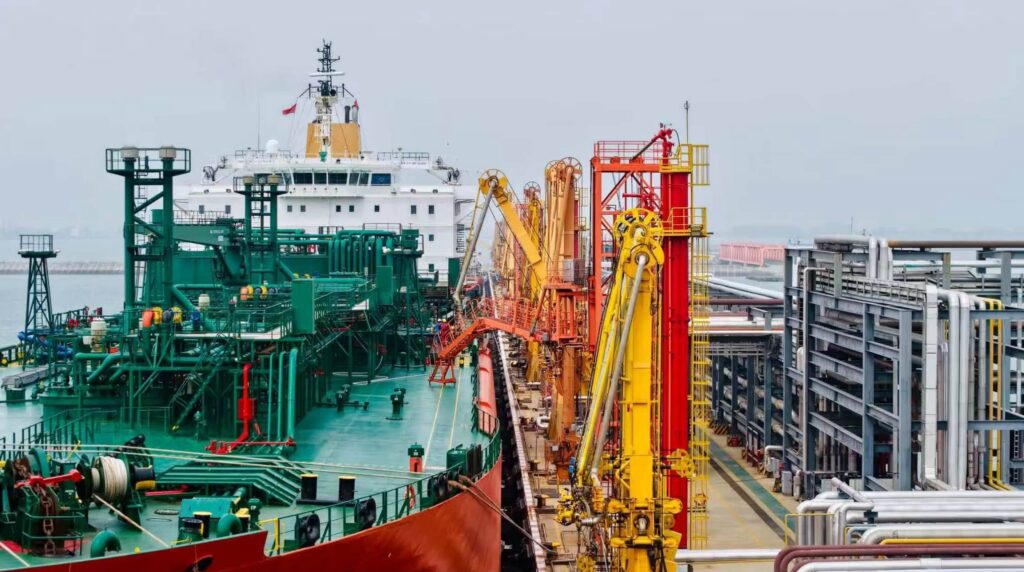
State Power Investment Corporation has just achieved a remarkable milestone by loading 3,750 tonnes of green ammonia onto a ship heading for South Korea. This isn’t just any shipment; it sets a new record for exporting this low-carbon commodity in one go! The cargo left from Lianyungang port, having been produced at the Da’an demonstration project in Jilin Province. This facility benefits from an impressive 800 MW of renewable energy from a combination of wind and solar, which powers the electrolysers and ammonia synthesis loop. This isn’t just a one-time deal; it’s a big step towards establishing a reliable supply chain for hydrogen production and ammonia in the global markets.
From electrons to export
The Da’an facility, managed by Jilin Electric Power Co., Ltd. as part of SPIC, harnesses renewable electricity to break down water through electrolysis, cranking out up to 32,000 tonnes of green hydrogen each year. This hydrogen then combines with nitrogen under high-pressure conditions to create as much as 180,000 tonnes of green ammonia annually. By converting inconsistent wind and solar energy into a reliable chemical product, this project addresses a key hurdle in hydrogen infrastructure: figuring out how to effectively store and transport renewable energy on a large scale.
A technical deep dive
The heart of the Da’an setup relies on polymer electrolyte or alkaline electrolysers powered by a designated group of wind farms and solar arrays. Whenever there’s a surplus of renewable energy on the grid, the system ramps up electrolysis, splitting purified water into hydrogen at the cathode and oxygen at the anode. Advanced digital control systems help smooth out any fluctuations in power, ensuring the electrolysers work effectively and efficiently. The produced hydrogen is then compressed and mixed with nitrogen—extracted from the air using an air-separation process—in a traditional ammonia reactor. By incorporating hydrogen storage buffers between the electrolysis and synthesis stages, the plant can maintain high pressure and temperature during prolonged operations, which boosts overall efficiency.
A strategic export play
Shipping 3,750 tonnes of green ammonia isn't just a logistical win; it’s a strategic trial to gauge market interest in these premium products. International buyers are increasingly on the lookout for certified carbon reductions to comply with strict emissions regulations. This shipment helps validate the procedures for labeling and verifying clean ammonia, which are crucial for securing offtake agreements and project financing. Given the current cost differences, green ammonia is pricier than conventional fuels, so its success really depends on whether buyers in South Korea and other markets are willing to shell out for proven emissions reductions.
Proponents believe that as the cost of electrolysers drops and financing for renewable projects improves, the price gap for green ammonia could narrow. However, challenges around shipping safety, storage, and certification still loom large. Nevertheless, turning renewable kilowatt-hours into a storable, shippable product could open new revenue avenues for wind and solar developers, while giving importers a vital tool for decarbonizing fertilizer and future marine fuel markets.
China’s integrated approach
China is heavily investing in industrial decarbonization by promoting integrated energy-chemical parks. The Da’an project is a prime example of this trend. It’s strategically located inland where there’s plenty of space for large-scale renewable projects, and it connects to Lianyungang via rail or pipeline for ocean transport. SPIC is already a major power player, and by moving downstream into the realms of electrolysis and ammonia synthesis, they can capture more value and shield themselves from risks associated with grid constraints. Local management by Jilin Electric Power ensures a focused operational strategy, while SPIC’s strong balance sheet backs up financing.
Unlike typical pilot plants, Da’an aims for consistent commercial output. If they can replicate this record shipment success routinely, it could encourage banks and insurers to support more green ammonia projects. Meanwhile, regulators will be keenly observing this export to refine customs, safety standards, and carbon accounting rules for non-fossil fuels.
Comparative context
Globally, only a handful of projects have reached a demonstration scale that connects production directly to export. For instance, northern ports in Europe are experimenting with green ammonia bunkering for testing on zero-carbon vessels. Australia’s Pilbara region has ambitions for green hydrogen exports, but it’s still waiting on dedicated ammonia synthesis infrastructure. Da’an’s groundbreaking shipment puts China at the forefront, proving that the full chain—from hydrogen production methods to storage, synthesis, certification, and shipping—can work cohesively.
Looking ahead
This milestone shipment serves as a clear demonstration rather than a final destination. In the coming months, everyone will be watching for more shipments, price changes, and feedback from buyers. Will firms in the fertilizer sector, ammonia crushers, and shipping companies step up for long-term contracts? Can ports adapt their bunkering facilities for ammonia? And importantly, can certification bodies agree on standardized lifecycle emissions metrics to ensure green ammonia can trade as smoothly as LNG or crude oil?
For now, SPIC's export has shifted the dialogue from mere pilot announcements to real-world applications. By linking green hydrogen production with established ammonia technology and global logistics, the Da’an project showcases one feasible approach to expanding the clean hydrogen news into a thriving industry. As regions around the world strive for zero-emission targets, the insights from this record shipment will play a crucial role in transforming renewable electrons into storable, tradable molecules in the international arena.