Hydrogen Production New Frontier: FDE’s Pontpierre Well Confirms Deep Natural Hydrogen in Lorraine
FDE’s ultra-deep Pontpierre drilling confirms significant white hydrogen in Lorraine, spurring cross-border collaboration and new hydrogen production prospects.
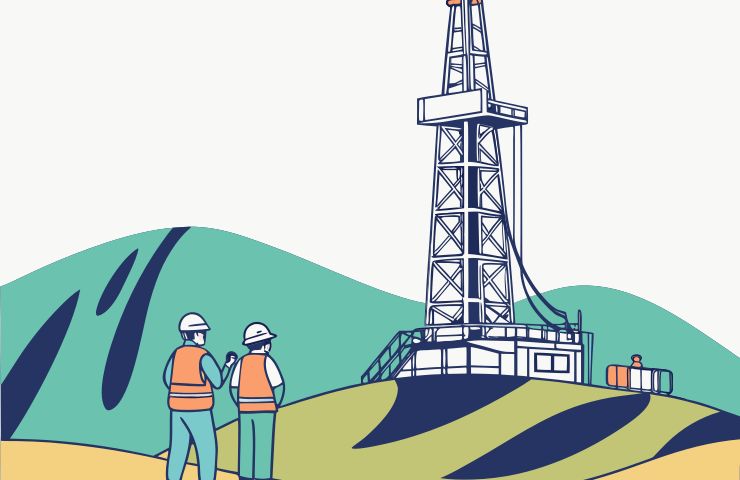
In a peaceful part of northeastern France, a tall drilling rig is starting to change the game in a region that used to thrive on coal mining. At Pontpierre in Moselle, La Française de l’Énergie (FDE) is taking a bold step into natural hydrogen exploration by drilling one of Europe’s deepest wells—nearing four kilometers! This isn’t just about figuring out how much hydrogen is locked away in deep formation waters; it’s about blazing a trail for hydrogen production techniques that could turn out to be cheaper and cleaner than the usual methods like electrolysis and reforming.
After earlier measurements indicated reservoirs with up to 15% hydrogen at just above a kilometer deep—and modeling that hints at concentrations hitting 98% around 3,000 meters—FDE’s Regalor II program has hit depths of about 3,655 meters with an eye on 4,000 meters. Beneath the picturesque hills of the Lorraine basin, drill bits embedded with synthetic diamonds are cutting through iron-rich Carboniferous formations and old coal seams, all in a quest to see if this basin indeed holds tens of millions of tonnes of what’s being called “white hydrogen.”
Deep Drilling Breakthrough
At the heart of this project is an ultra-deep well managed by the German contractor UOS Group through its subsidiary RED Drilling GmbH. Their rig, towering at about 41 meters, was once tailored for coal-bed methane but has been revamped for natural hydrogen exploration. Company insiders have dubbed this operation a “revolutionary white gold project,” emphasizing the need for specially designed casings and cementing techniques to keep different geological layers isolated and protect the groundwater.
So far, over sixty samples of drill cuttings and formation fluids have been meticulously gathered for lab analysis. At the same time, downhole probes are measuring pressure, temperature, and gas composition, painting a clearer picture of hydrogen concentration. This kind of data is crucial—not just for estimating resources, but also for planning future production strategies that can selectively bring hydrogen to the surface without dragging a ton of water along with it.
How Natural Hydrogen Forms
What sets natural hydrogen apart from industrial hydrogen, which is typically produced via electrolysis or steam-methane reforming, is its very origin. Natural hydrogen is born from geological and geochemical reactions deep underground. In the Lorraine Carboniferous basin, interactions between water and iron-rich minerals can break down H2O molecules through processes like iron oxidation and serpentinization. This reaction releases molecular hydrogen that then makes its way through fractures and pores, with some of it getting trapped by structural seals or dissolving into the formation waters.
At Pontpierre, the team is particularly focused on the Carboniferous aquifer layers that once fueled steel mills with coal and gas. By sampling fluids from greater depths, FDE and the GeoRessources laboratory at Université de Lorraine are working to unravel the story of how this resource forms, accumulates, and whether it can renew itself over time. A key question they’re tackling: is this white hydrogen a finite relic, or is there a possibility it might be replenished through ongoing geological processes?
Strategic and Economic Impacts
For a region that’s grappling with the aftermath of industrial decline, the potential of this new underground resource could be a game changer. Local leaders, including Moselle council president Patrick Weiten, see natural hydrogen as a ticket to rejuvenating the economy—capitalizing on existing industrial infrastructure and the know-how in drilling, logistics, and processing. If even a small slice of the estimated 30-plus million tonnes of hydrogen can be tapped economically, it could create jobs and generate revenue that could rival what coal once did.
On the corporate side, FDE is solidifying its industrial foothold by snagging the “Trois-Évêchés” exclusive permit, which covers 2,254 square kilometers across Moselle and nearby Meurthe-et-Moselle. This strategic move grants them basin-wide rights to explore and eventually exploit the resource, pending the usual regulatory approvals. Partnerships with service companies like SOLEXPERTS France and BRGM Grand Est further demonstrate the mix of academic insight and industrial expertise, a key to minimizing technical and environmental risks.
Cross-Border Collaboration
The importance of Pontpierre doesn’t just stop at France’s borders. Earlier this year, Belgian federal minister Jean-Luc Crucke visited the site, highlighting Belgium’s keen interest in not just mirroring but also adding to France’s approach. Belgian researchers are now exploring geological structures in the Campine coal basins and the deep granitic zones of the Brabant Massif, seeking to map subsurface hydrogen and exchange best practices in permitting and well design.
This cross-border cooperation ties into broader European strategies aimed at energy independence and decarbonization. Natural hydrogen has the potential for almost zero operating emissions since it’s generated deep in the earth and accessed through wells instead of electrolysers. If regions like Lorraine and Campine basin are successful, they could usher in a fresh chapter in clean hydrogen news—one that complements, rather than competes with, green and blue hydrogen initiatives.
Environmental and Regulatory Considerations
While there’s excitement buzzing in the air, civil-society groups like Apel 57 are sounding a bit of a cautionary note, stressing that strong safeguards are essential. They recall a previous attempt to permit coal-bed methane extraction that was dropped due to inadequate well casing and groundwater protections, highlighting the inherent risks of deep drilling. The success of hydrogen production will depend on keeping wells sound, monitoring for possible induced seismicity, and ensuring that shallower aquifers remain uncontaminated.
Regulators in France and the EU are still in the early stages of figuring out how to incorporate natural hydrogen into existing mining and environmental laws. Key topics on the table include how royalties will be structured, how to share benefits with local communities, and how resources will be managed across borders if the hydrogen field extends beyond one nation. Policymakers have their work cut out for them as they aim to balance speeding up exploration with strict environmental assessments—a challenge that’s going to be pivotal for the future of the Pontpierre initiative.
What Comes Next?
FDE is optimistic that by thoroughly characterizing hydrogen-rich zones and confirming commercially viable flow rates, they could roll out pilot production wells by the end of the decade. Meanwhile, the GeoRessources lab is calling for postdoctoral research aimed at hydrogen renewability and migration, ensuring the academic community remains actively engaged as industry partners ramp up their efforts. Looking at the market, early players in natural hydrogen data, infrastructure, and regulation could create a competitive edge and set the groundwork for a sector that’s still finding its feet.
Pontpierre’s rig might be just one well, but it is sitting at the crossroads of geology, technology, and policy. As drilling continues, eyes will be peeled to see if natural hydrogen can fulfill its promise of low-carbon energy, kickstart new industries, and breathe new life into the European heartland. If it succeeds, we might just look back on this rig as the spark of a quiet revolution in hydrogen infrastructure and production.