Hydrogen Propulsion Breakthrough: TCS and Rolls-Royce Simulate Full Flight Cycle on 100% Hydrogen
TCS and Rolls-Royce have demonstrated a modern aero gas turbine running through a fully simulated flight cycle on 100% hydrogen, validating core combustion, fuel delivery and control systems. The milestone highlights progress toward hydrogen propulsion while underscoring the need for green hydrogen production and airport refuelling infrastructure before commercial adoption.
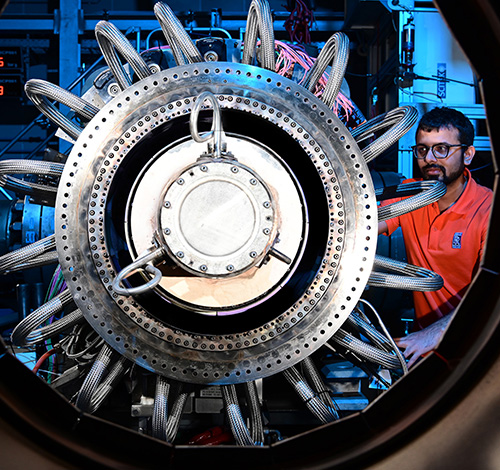
This month, Tata Consultancy Services and Rolls-Royce just made a splash in the aviation industry with an exciting demonstration: they’ve successfully run a modern aero gas turbine on 100% hydrogen through a full simulated flight cycle. Yep, you heard that right! They did this in a lab in the UK, managing to simulate everything from take-off and climb to cruising and landing—all without using a drop of kerosene. This is huge because it shows that combustion stability, engine controls, and fuel delivery systems can work seamlessly with hydrogen, proving they’re ready for the future.
Key Highlights
This achievement represents a significant leap beyond just isolated testing. By mimicking real-world conditions, engineers can get a better handle on how different subsystems work together and how they react in dynamic situations—something that static tests just can’t capture.
A Multi-Year Evolution
The journey towards hydrogen propulsion has been a slow and steady evolution for Rolls-Royce and its partners:
This step-by-step approach reflects the UK’s impressive aerospace history and highlights a careful strategy aimed at minimizing risks associated with hydrogen propulsion for small to mid-size aircraft.
Technical Hurdles and Solutions
Of course, hydrogen brings some unique challenges that need tackling:
By rigorously testing these subsystems throughout the full simulated flight scenarios, engineers were able to show that they can work together effectively under varying loads.
Inside the Fuel Architecture
When designing a hydrogen fuel system, there’s a lot of back and forth between liquid and gaseous options. Liquid hydrogen packs a higher energy density, but it requires cryogenic tanks and active thermal management at a chilly –253 °C. Gaseous hydrogen, stored at up to 700 bar, avoids cryogenics but can be heavier. Both methods need advanced leak detection, extra safety valves, and constant monitoring. This recent trial did a great job of validating the entire fuel delivery chain—from simulated storage, through heat exchangers and piping, all the way to injector ports—ensuring it can handle the demands of rapidly changing thrust.
Environmental Lifecycle Considerations
Now, while zero in-flight CO₂ emissions are fantastic, there's more to the story. For hydrogen to genuinely be a game-changer environmentally, it must be produced from renewable-powered electrolysis. This means green hydrogen could potentially slice lifecycle emissions by more than 90% compared to traditional jet fuel. However, hydrogen generated from natural gas without carbon capture could throw a wrench in the decarbonization works. So, scaling electrolyzer capacity, managing water resources, and meshing with renewable grid energy will be crucial for airports looking to source genuinely clean fuel.
Digital Engineering Edge
The partnership with TCS brought cutting-edge digital techniques into play. Thanks to high-fidelity simulations and digital twins, engineers can map out thousands of operating scenarios even before touching any hardware. This means they can get detailed insights into things like temperature, pressure, and combustion dynamics—far beyond what physical sensors can measure. Plus, automated test-case generation and strict data governance speed up the process, helping to reduce risks and support the tough certification hurdles ahead.
Regulatory and Infrastructure Hurdles
Getting a hydrogen engine certified for flight isn’t a walk in the park—there are new standards that need to be met:
Investing in
hydrogen infrastructure
for airports represents a significant financial commitment, intertwining energy, transport, and regulatory considerations.
Strategic Implications
This demonstration is shaking up a few narratives:
But let’s be real—true sustainability hinges on a completely green supply chain; otherwise, the lifecycle emissions could negate the reductions achieved during flight.
Market Outlook
Looking ahead, hydrogen-powered regional aviation could blossom into a multi-billion dollar market by 2040. Here's what could influence that:
Rolls-Royce is aiming for mid-2030s to start service, syncing with the industry's net-zero aviation roadmaps.
What’s Next?
In the coming phases, the programme will tackle:
About the Companies
Rolls-Royce is paving the way in civil aerospace engine development and working towards hydrogen-powered regional aircraft by the mid-2030s. Tata Consultancy Services, a global leader in IT and engineering consulting, is providing digital twin technology, systems integration, and validation services across aerospace and beyond.