Hydrogen Storage Milestone: Elestor’s 20 MW Hydrogen-Iron Flow Battery to Transform Windpark Zeewolde’s Grid Integration
Elestor and Windpark Zeewolde are partnering on a 20 MW hydrogen-iron flow battery with 200–800 MWh capacity to tackle grid congestion and boost wind energy use.
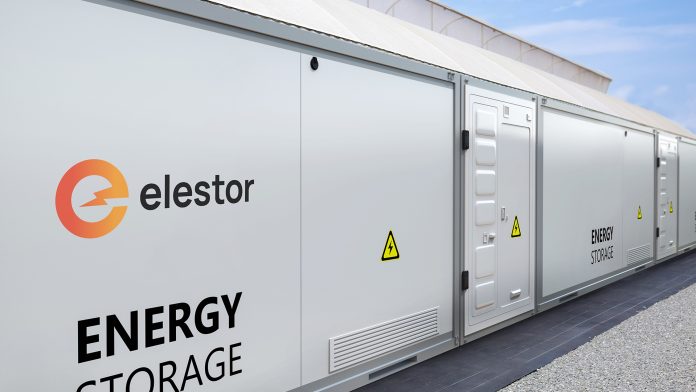
The renewable energy journey in the Netherlands is hitting a familiar bump in the road: grid congestion. Basically, when the power lines get full, wind turbines sometimes have to sit idle instead of cranking out energy. This summer, Elestor, a specialist in long-duration energy storage, announced a new partnership with Windpark Zeewolde, one of the continent's largest onshore wind farms. Together, they plan to roll out a 20 MW hydrogen-iron flow battery system. This setup aims to capture the excess wind energy when demand is low and then release it when the grid is ready for more power.
A New Phase in Long-Duration Energy Storage
This initiative is pretty groundbreaking, marking one of the first large-scale installations of a hydrogen-iron redox flow battery linked to a significant wind project. After some pilot tests, Elestor is gearing up for a full-scale rollout, expecting to have standardized modules available later this decade. The whole system for Zeewolde will go live in stages, starting with a pre-commercial unit to test efficiency and integration, then scaling up to the full 20 MW setup around 2031. The goal here? To store energy for anywhere between 10 to 40 hours, which is way more than the typical four hours of lithium-ion systems.
Decoding the Hydrogen-Iron Flow Battery
The secret sauce behind Elestor’s approach is their redox flow architecture which separates power from energy. Power is produced in stacks of electrochemical cells, and the energy itself is held in tanks filled with a water-based iron electrolyte and moderate-pressure hydrogen gas. When the wind blows and electricity is available, it splits water to create hydrogen and changes the oxidation states of the iron in the electrolyte. During discharge, those reactions flip back, sending electrons into the grid. To increase storage from, say, 10 to 40 hours, all they need to do is add more tank volume and electrolyte—this avoids the hefty costs of adding more cell stacks.
Addressing Grid Congestion
Windpark Zeewolde is located on reclaimed land in Flevoland, a region well-known for pioneering large-scale water management in the Netherlands, now filled with wind turbines. This area has a distribution network that leads to the Vogelweg high-voltage substation, but unfortunately, upgrades haven’t kept pace with the rapid growth of renewables. When wind power spikes and demand is low, the risk of curtailment increases. By using the hydrogen-iron system as a buffer for that excess energy, both Elestor and Windpark Zeewolde aim to minimize wasted power, manage export peaks, and delay costly upgrades to the grid. The battery’s dispatch will be carefully timed based on wind forecasts and the limits of the substation.
Economic and Environmental Prospects
Elestor anticipates that their hydrogen-iron flow battery could reach capital costs around €15 per kWh, and it’s aiming for levelized storage costs near €0.02 per kWh over a lifespan of 20 to 25 years, though these are early estimates that will need real project data for verification. Their tests indicate system-level round-trip efficiencies exceeding 75% and energy efficiencies over 80%. They’re also using abundant and non-toxic iron salts, which lessens material risk compared to older hydrogen-bromine batteries that required expensive and complex containment solutions. Steering clear of vanadium helps dodge supply chain issues and aligns with Europe’s push for energy independence.
Strategic and Policy Dimensions
From a policy perspective, this partnership highlights the EU’s growing focus on long-duration energy storage (LDES) as a crucial element in decarbonization and enhancing system flexibility. Unlike short-term batteries used for frequency response, systems like hydrogen-iron flow batteries are designed for longer-term energy services, which are vital during those low wind or sunlight periods. Elestor’s design adheres to EU machinery, pressure equipment, and ATEX regulations without hitting high-level Seveso thresholds until much larger quantities of hydrogen are involved. This compliance should facilitate smoother rollouts in areas grappling with congestion and energy wastage.
Elestor’s Journey from Bromine to Iron
Founded in 2014, Elestor initially made waves with hydrogen-bromine flow batteries, even snagging some industry awards for cheap and effective storage. But bromine’s toxicity and corrosiveness posed major challenges, leading to high containment costs and a risk of being classified as a major hazard facility even at moderate energy levels. In response, Elestor pivoted to hydrogen-iron chemistry, taking advantage of safe, non-toxic electrolytes and moderate-pressure hydrogen storage. This switch represents a broader trend in research focused on aqueous iron redox systems that promise to deliver low-cost and abundant materials, but they still need to tackle issues like side reactions and the durability of membranes.
Why It Matters for Hydrogen Infrastructure
The Zeewolde battery isn’t just about stabilizing wind energy; it could also be a key piece in the emerging hydrogen infrastructure puzzle. Storing hydrogen on-site could eventually link up with future green hydrogen production techniques—like electrolyzers powered by surplus wind energy—creating a flexible hub for local industrial users. In a dynamic energy landscape exploring hydrogen fuel cells, green ammonia, and various power-to-gas pathways, a reliable long-duration storage solution becomes an important asset in the broader hydrogen ecosystem.
Looking Ahead
If all goes well with the initial pilot phase, the complete Zeewolde installation could be ready by the end of this decade. Success here would not only validate the business case for flow batteries as an alternative to costly grid upgrades but also provide a clear path to minimizing energy wastage and improving renewable integration. For investors and policymakers alike, this partnership will put the hydrogen-iron concept to the test in real-world, grid-connected scenarios. If it can deliver on its promises, it might just change how we think about hydrogen storage solutions and long-duration energy markets across Europe.