Hyundai Unveils Integrated Hydrogen Infrastructure and Ecosystem Vision for Europe
Hyundai Motor Group used the World Hydrogen Summit in Rotterdam to unveil its HTWO-branded, end-to-end hydrogen ecosystem for Europe, linking green hydrogen production, distribution infrastructure, fuel cell systems, and vehicles like the NEXO and XCIENT Fuel Cell truck to accelerate the region’s transition to zero-emission power and mobility.
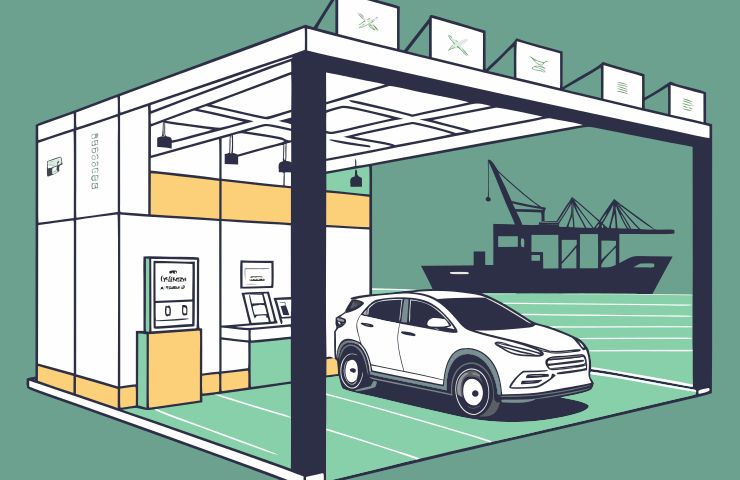
At this month’s World Hydrogen Summit & Exhibition in Rotterdam, Hyundai Motor Group laid out an ambitious vision for a hydrogen-powered future in Europe. With EU climate goals looming large and a strong push for energy security, they presented an integrated system that brings together hydrogen production, infrastructure, fuel cells, and zero-emission vehicles. It’s a big shift from the usual separate tech showcases we often see.
Mapping the End-to-End Hydrogen Value Chain
Under the HTWO brand, Hyundai unveiled its plan for creating a smooth hydrogen value chain that covers all the bases:
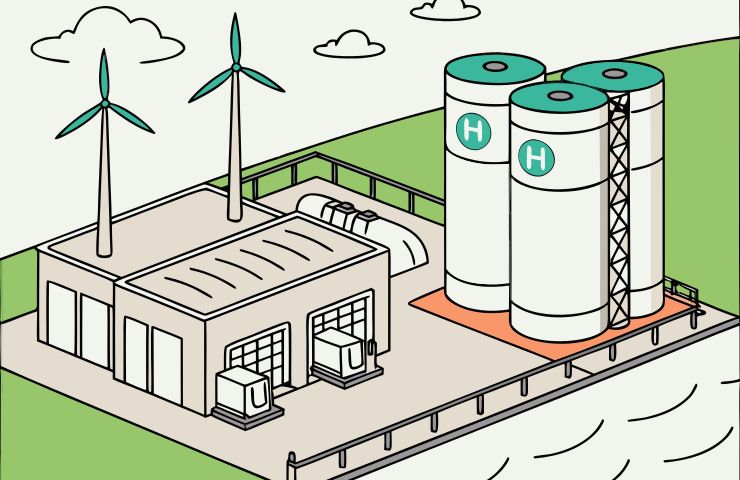
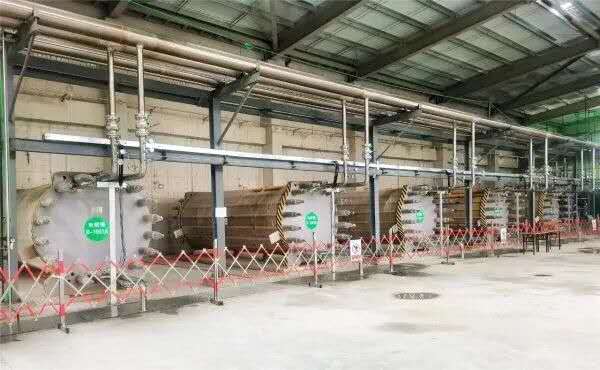
- Producing green hydrogen through electrolyzers powered by wind or solar energy
- Storing and transporting that hydrogen using standardized high-pressure tanks and pipelines
- Setting up refueling infrastructure with flexible HTWO stations for cars and heavy-duty vehicles
- Deploying fuel cell systems for everything from road vehicles and buses to stationary power for grid support
By combining these elements, Hyundai’s goal is to show how coordinated investments and standardized solutions can help lower costs and reduce risks from day one.
From NEXO to XCIENT: Flagship Fuel Cell Platforms
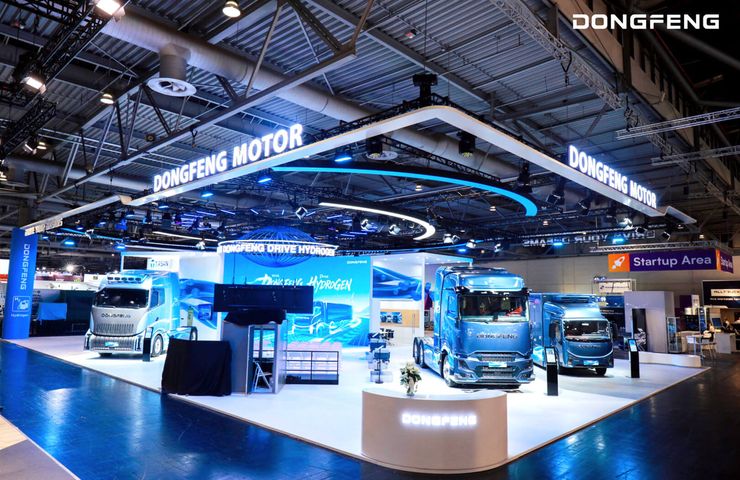
At their booth, the all-new NEXO fuel cell electric vehicle took center stage as the passenger car flagship, showcasing the next-generation proton exchange membrane (PEM) stack, high-pressure hydrogen storage, and even a battery buffer for regenerative braking. Right alongside it, the Class-8 XCIENT Fuel Cell truck platform highlighted Hyundai’s serious commitment to heavy-duty transport. With multiple stacks capable of generating hundreds of kilowatts of power, these vehicles are built for the long-haul game. Hyundai reports that XCIENT fleets across Europe have logged an impressive 20 million kilometers, which shows how confidence in hydrogen logistics is on the rise.
European Leadership through HEHE
Leading the presentation, Mark Freymüller, CEO of Hyundai Energy & Hydrogen Europe (HEHE), made it clear that scaling hydrogen isn’t a one-person job. He emphasized the need for partnerships with:
- Port authorities to decarbonize terminals and enable smooth ship-to-shore fuel supply
- Fleet operators and logistics companies looking for predictable total cost of ownership
- Infrastructure developers who are willing to co-invest in refueling stations
- Policymakers to align subsidies and permitting processes
Freymüller highlighted that Hyundai’s 20 years of fuel cell R&D from South Korea would lay the groundwork for bringing these proven solutions to European markets.
Aligning with EU Policy Ambitions
Europe’s Hydrogen Strategy and Green Deal aim for a dramatic ramp-up of renewable hydrogen production—into the tens of gigawatts—by 2030. Alongside that, EU funding programs like IPCEI and the Fit-for-55 package are driving investment toward electrolysis, heavy-industry decarbonization, and transport corridors. Hyundai’s ecosystem approach closely aligns with these initiatives, offering turnkey solutions that can attract public grants and private investments based on common standards, which can really ease project development at both national and regional levels.
Financing and Market Dynamics
One of the big challenges in hydrogen infrastructure is securing financing. Hyundai’s co-investing strategy, similar to its work with H2 MOBILITY in Germany, shows a new direction where OEMs share both the rewards and risks. For fleets debating between battery-electric and fuel cell trucks, several factors come into play:
- How quickly they can refuel and the range needed for long-haul routes
- The total cost of ownership, factoring in fuel, maintenance, and downtime
- Availability of renewable energy for producing green hydrogen
- How well these systems can operate in extreme temperatures
Hyundai’s impressive track record of 20 million kilometers on the road aims to shift those decision-making scales by proving reliability in real-world conditions.
Technical Cornerstones and Interoperability
When it comes to both passenger and heavy-duty applications, Hyundai relies on PEM fuel cells: think of hydrogen splitting into protons and electrons at the anode and then traveling through a polymer membrane to combine with oxygen at the cathode to create electricity and water. They’re devising standardized stacks and power modules—tailored for either automotive cycles or continuous stationary use—that are easy to scale and integrate, which cuts down on engineering hassle for system integrators.
Remaining Hurdles
Even with a cohesive vision, challenges still loom large. The costs associated with electrolyzers need to drop more significantly, driven by supply chain improvements and innovations in catalyst materials. Regulatory chaos around safety, permitting, and cross-border infrastructure can be a headache. Also, while fuel cells shine in long-range scenarios, battery-electric vehicles are still gaining ground in medium-duty and urban applications. Europe’s next steps toward crafting supportive regulations and securing offtake agreements will be critical in overcoming these obstacles.
Port Decarbonization and Industrial Integration
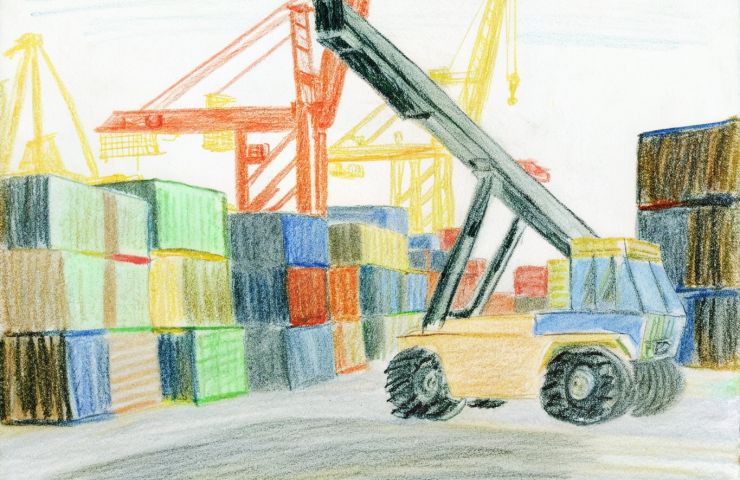
At ports like Rotterdam, equipment like yard cranes, forklifts, and harbor trucks could be powered by hydrogen fuel cells, slashing local emissions. Hyundai’s HTWO platform is designed to include scalable onsite production modules that can be set up right at port terminals. This allows cargo operators to produce hydrogen through electrolyzers, store it in buffer tanks, and distribute it as needed—creating a self-sufficient model that eases the dependence on external supply chains. It’s a promising template for industrial clusters focused on reaching net-zero targets.
Stationary Power and Grid Support
Hyundai also showcased their stationary fuel cell modules under the HTWO Grid line. These units can be crucial for providing reliable backup power to data centers, telecom networks, and various industrial processes. They can also offer grid-balancing services by adjusting output according to renewable energy generation fluctuations. By positioning their fuel cells as flexible energy assets rather than just backup systems, Hyundai aims to expand the market for hydrogen, tying together production, storage, and digital energy management platforms.
The Role of Green Hydrogen and Certification
While Hyundai’s ecosystem remains agnostic regarding hydrogen sources, the environmental footprint hinges heavily on how the hydrogen is produced. The company leans toward renewable-powered electrolysis for generating green hydrogen, which can then be certified under developing EU guarantees-of-origin schemes. A transparent certification process and traceability are fundamental to ensuring that the hydrogen fueling NEXO cars, XCIENT trucks, and stationary modules effectively contribute to lifecycle emissions reductions. This is all in line with broader climate objectives in Europe and will help operators qualify for available incentives.
Future Outlook
Hyundai’s showcase in Rotterdam sets the stage for more than just a car manufacturer—it’s looking to become an architect of ecosystems that can deliver hydrogen from ports to hinterlands. The real challenge lies ahead as these ideas transition into pilot projects and commercial rollouts. Will ports like Rotterdam adopt HTWO-branded cluster solutions? And will fleet operators commit to multi-year supply and service contracts? The upcoming months will be pivotal as decisions on project selection, financing, and station deployments unfold, revealing whether this vision can leap beyond the exhibition hall.
About Hyundai Motor Group
Headquartered in South Korea, Hyundai Motor Group is a global leader in automotive innovation. Since kicking off its first fuel cell research team back in 1998, the group has rolled out groundbreaking fuel cell electric vehicles (FCEVs) like the ix35 Fuel Cell, NEXO, and XCIENT Fuel Cell. Now, they’re orchestrating a complete hydrogen ecosystem through the HTWO brand, covering everything from production and storage to distribution and applications in both mobility and stationary power.