India’s Green Hydrogen Push Targets Ammonia and Refinery Sectors with Mandatory Purchase Plan
India Hydrogen Alliance unveils plan for Hydrogen Purchase Obligations and CfD to decarbonize ammonia and oil refining sectors by 2030, aiming for green hydrogen scale-up.
India’s pushing hard toward a cleaner future—and green hydrogen is taking center stage. In a bold strategic move, the India Hydrogen Alliance (IH2A) is calling for mandatory Hydrogen Purchase Obligations (HPOs). The idea? Speed up adoption of green hydrogen in some of the country’s most polluting industries. We’re talking about big players like ammonia producers and oil refiners—together, they pump out nearly 15% of India’s total emissions.
What’s the plan with these green hydrogen mandates?
Here’s the gist: the Indian government is expected to roll out formal rules in 2025. By 2030, all existing ammonia and refining operations will need to get at least 10% of their hydrogen from green sources. And for new projects? It’s go-green-or-go-home from day one.
To help make the economics work, IH2A is proposing a Contracts for Difference (CfD) scheme. Basically, the government would chip in to cover the price difference between clean hydrogen and old-school, carbon-heavy gray hydrogen. It’s a playbook India’s adapting from Japan’s 2023 hydrogen CfD model—but modified for local realities.
Why the big hydrogen push—and why now?
Because India’s betting big on green hydrogen. Back in 2021, the country launched its National Hydrogen Mission with a $2.3 billion head start. The mission? Cut back on fossil fuel use and turn India into a global green hydrogen powerhouse. But with hydrogen demand already sitting at around 6 million tonnes a year—most of it gray—the pivot to clean, solar or wind-powered electrolysis is a massive leap.
Producing hydrogen through electrolysis—especially using PEM or alkaline electrolyzers—still costs a pretty penny compared to natural gas-based methods. That’s where CfD becomes a game-changer: it protects early adopters from the sticker shock and helps pull in the $80 billion in investment the sector desperately needs.
Why ammonia is in the spotlight
One of the clearest paths forward lies in ammonia production, crucial for fertilizers. India uses around 13–14 million tonnes of ammonia each year, and injecting green hydrogen into that process could slash a big chunk of emissions. It’s also a smart way to lower dependence on fossil-based feedstock—something important in a country where nearly 70% of electricity still comes from coal.
Even better? Going green here may help redirect up to $20 billion a year currently spent on fossil imports. Plus, it gives India a shot at becoming a major clean ammonia supplier to Asia and Africa.
Industry’s already paying attention
This isn’t some pie-in-the-sky idea. Big players like Reliance Industries and Indian Oil Corporation (IOCL) are already testing the waters with green hydrogen pilot projects. Their interest lends backbone to IH2A’s pitch for a clear, investor-friendly market structure to drive scale.
“We need mandates and market signals,” an IH2A spokesperson put it bluntly. “Without those, we risk getting stuck with carbon-heavy tech and missing our shot at becoming hydrogen leaders.”
The massive renewable build-out behind it all
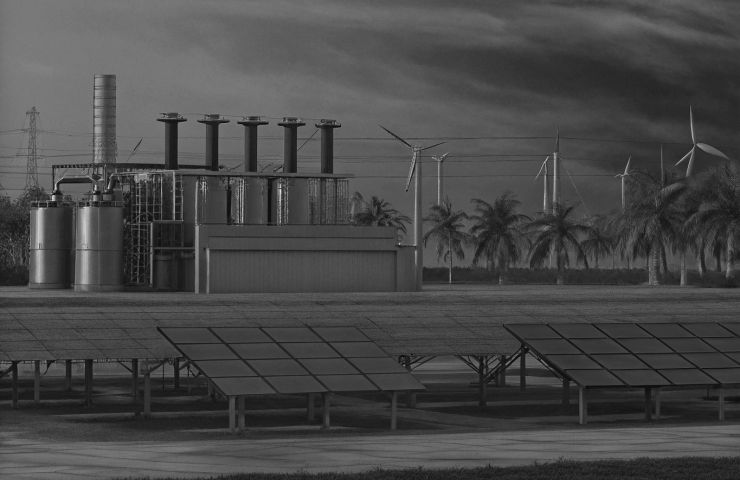
Let’s be real: none of this works without a serious ramp-up in renewables. The math says India needs another 60 GW of dedicated renewable energy capacity just for green hydrogen by 2030. That means scaling up solar farms, wind projects, and seriously modernizing the grid infrastructure. In a country with 1.4 billion people and a per capita GDP under $2,500, that’s no small task.
But if India pulls it off, the upside goes beyond decarbonizing domestic industries. It could lay the groundwork for hydrogen policy frameworks across ASEAN and Africa—reshaping geopolitics, trade, and global energy dynamics.
What’s next?
We might be witnessing a pivotal moment for green hydrogen in India. Just like Renewable Purchase Obligations helped ignite India’s solar power boom, these proposed Hydrogen Purchase Obligations could be the catalyst that finally scales industrial decarbonization.
For now, it’s a waiting game. Industry insiders, investors, and global hydrogen watchers are keeping a close eye to see how the government responds to IH2A’s proposal.
If India gets this HPO + CfD combo right, it might just become a go-to model for other developing countries chasing clean energy without blowing their budgets.