INEOS Cuts Hull Plant Emissions 75% with Hydrogen Fuel Conversion
INEOS slashes emissions 75% at Hull plant with £30M hydrogen switch — avoids £23M regulatory penalty over classification dispute.
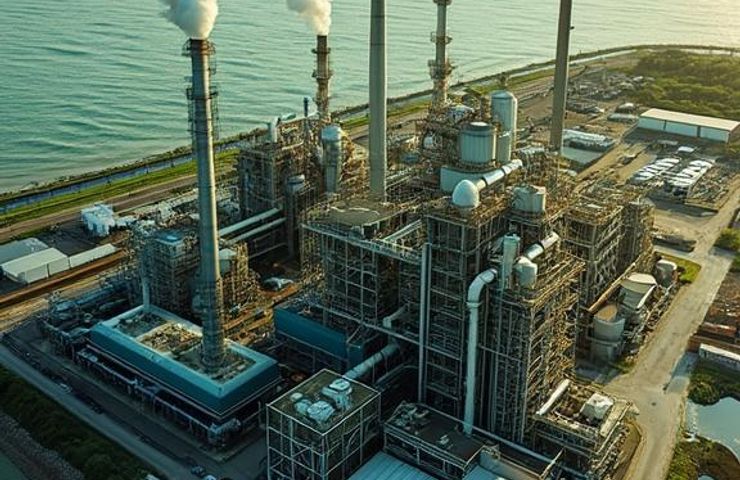
INEOS just wrapped up a massive £30 million upgrade at its acetyls plant in Hull, UK — and it’s a serious game-changer. The retrofit slashed the site's carbon emissions by an impressive 75%, marking a big leap forward in industrial decarbonization. But here's the twist: that same green milestone nearly landed the company with a £23 million penalty from the UK’s Environment Agency (EA), all because of how the rules classify updated facilities. The whole situation has sparked fresh conversations around whether climate policies really reward progress — or sometimes punish it.
A Hydrogen-Powered Transformation
This wasn’t just a surface-level tweak. The Hull site — run by INEOS Acetyls, the top producer of acetic acid and related chemicals in Europe — swapped out natural gas for hydrogen fuel as its main energy source. But they didn’t have to buy that hydrogen from outside or build costly electrolysis systems. Instead, they cleverly tapped into hydrogen already produced as a by-product of their own chemical processes. By capturing and reusing it on-site, INEOS cut both waste and emissions — a smart, efficient workaround that dodges the need for imported green hydrogen.
The retrofit involved installing new, hydrogen-specific burners and adapting infrastructure – a pretty major feat for a site originally built back in the 1930s. This plant has deep roots in UK manufacturing and supports key industries from water treatment to medicine and food. The overhaul keeps the legacy alive while prepping the facility for a cleaner future.
When Rules Clash with Reality
As big as the win for the environment was, the regulatory system almost turned it into a financial misstep. The Environment Agency warned that the improvements at Hull might reclassify the site as a "new installation" under the UK’s emissions trading rules. That would’ve triggered an extra £23 million in carbon credit costs — ironic considering the project was aimed at reducing emissions in the first place.
The news didn’t sit well with industry leaders. A penalty that almost cancels out the benefit of a big investment like this could easily discourage other companies from pursuing similar low-carbon changes. Fortunately, after plenty of industry pushback, the EA stepped back and chose not to levy the fine. Still, the episode raised red flags for anyone navigating the road to sustainable energy.
Supporting Jobs, Boosting Local Industry
More than 300 people work at the Hull site, and it plays a huge role in the specialty chemicals cluster at Saltend Chemicals Park in East Yorkshire. By staying in operation and avoiding regulatory shutdown, the project helped protect jobs, kept vital supply chains running smoothly, and reinforced the UK and EU's chemical manufacturing backbone.
INEOS isn’t stopping with just one success story. The Hull project is expected to serve as a blueprint for other locations across its European network. Their approach — harnessing hydrogen already being made onsite — highlights a realistic way to cut emissions without needing major new infrastructure or expensive hydrogen production systems. It’s a model that could catch on quickly with other heavy industries.
Time for Policy to Catch Up
This whole saga has thrown a spotlight on how emissions trading systems handle forward-thinking upgrades — especially in legacy industries trying to pivot to zero-emission technologies. It’s also brought up concerns around “carbon leakage,” the idea that if local rules make investment harder, companies could shift operations to places with more relaxed environmental standards.
Policymakers across the UK and Europe are keeping a close eye on what happened in Hull. While INEOS managed to dodge the fine this time, other companies might not be so lucky — and that uncertainty could slow down vital industrial decarbonization. With updates to carbon pricing frameworks on the horizon, governments face growing pressure to make the rules clearer and more aligned with real-world innovation.
Looking Ahead
With the Hull facility now running cleaner than ever and sporting one of the lowest carbon footprints in the UK's industrial sector, it’s positioned to become a key testbed for broader hydrogen-based transformations. As net-zero deadlines get closer and energy costs keep climbing, all eyes will be on INEOS — to see not only if they can scale this model, but if regulators are ready to evolve alongside the technologies blazing the trail.