Linde Secures Spot in S&P Global Sustainability Yearbook 2025, Boosting Clean Hydrogen Leadership
Linde’s inclusion in the S&P Global Sustainability Yearbook 2025 strengthens its leadership in hydrogen production, carbon capture, and industrial decarbonization, positioning the company at the forefront of the clean energy transition.
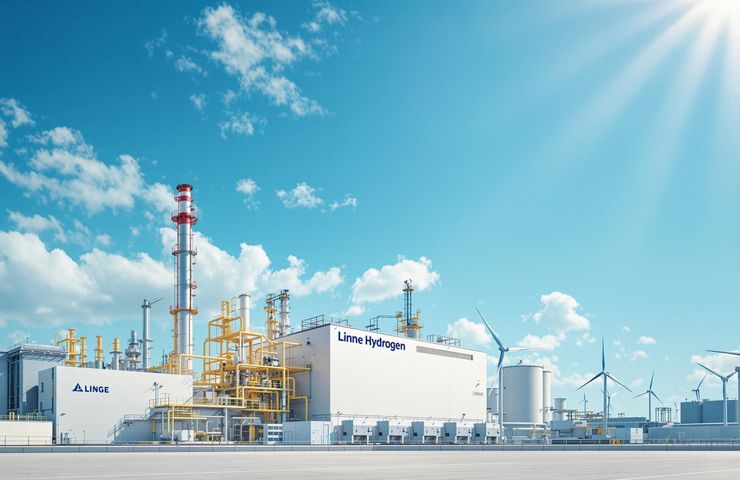
Linde just snagged a major win — it’s been officially named in the S&P Global Sustainability Yearbook 2025. This isn’t just a pat on the back; it’s a real validation of the company’s big push into clean technologies like hydrogen production and carbon capture.
A Milestone Recognition for Sustainability Leadership
This achievement shines a spotlight on Linde’s strong environmental, social, and governance (ESG) performance, putting it among the top 15% of global players in its sector. And that's no small feat — the S&P Global Corporate Sustainability Assessment (CSA) is known for setting a seriously high bar, especially for industries hustling to meet industrial decarbonization and zero-emission goals.
For Linde, this isn't just about celebrating — it's hard proof that their work in sustainable industrial gases is paying off. Whether it’s advancing hydrogen production through steam methane reforming with carbon capture, building out electrolysis capabilities, or pushing boundaries in cryogenic air separation, they’re clearly making their mark.
The Strategic Value Behind the Recognition
Sure, the spotlight’s nice, but there’s more to this win than prestige. Being in the Yearbook boosts Linde’s street cred with investors, customers, and future employees — all of whom are placing bigger bets on companies that take ESG seriously. The benefits are crystal clear: stronger investor trust, better pull on top-tier talent focused on sustainable energy, and a smoother path to smart financing opportunities.
This nod also highlights Linde’s growing momentum in the clean energy world — from helping build clean hydrogen hubs to teaming up with giants like BASF to push forward carbon capture, utilization, and storage (CCUS) technologies.
Why This Matters for Clean Hydrogen
As the race to build out hydrogen infrastructure heats up around the world, it’s critical to have heavy-hitters like Linde leading the charge with real, verifiable sustainability credentials. Thanks to their deep expertise in large-scale projects and industrial technologies, they’re a key player in hitting big milestones — like slashing the cost of green hydrogen production and expanding hydrogen storage.
Plus, companies with solid ESG chops tend to be first in line for those high-profile public-private partnerships and juicy government incentives under programs like the Inflation Reduction Act (IRA) in the U.S. or Europe’s Green Deal. It all adds up to a big competitive edge.
Setting a Benchmark in an Evolving Market
From its start in 1879 as a refrigeration trailblazer, Linde has steadily grown into a global force in industrial gases. Now, they're carving out an even bigger role in the clean hydrogen revolution and the broader sustainable energy transition. Technologies like cryogenic air separation and cutting-edge hydrogen production processes aren’t just part of their toolkit — they’re helping reshape what a low-carbon economy can actually look like.
Landing a spot in the S&P Global Sustainability Yearbook — which has been a gold standard since it started as the SAM Sustainability Yearbook back in 1999 — sends a loud and clear message to the market. Especially in fast-moving sectors like clean hydrogen and ammonia production, where trust and regulatory alignment are critical, recognition like this can be a real game-changer.
A Bigger Picture to Watch
This could just be the beginning. With the spotlight now firmly on them, Linde is well positioned to take the lead in emerging projects like green hydrogen production hubs, future ammonia export corridors, and global industrial decarbonization efforts. In a market where competition is heating up and regulations are getting tighter, early movers like Linde could have a serious edge in dominating the next generation of zero-emission technologies.
At the end of the day, getting into the Sustainability Yearbook isn’t just another feather in their cap — it's a reflection of the real, operational leadership the world needs to make the clean energy transition a reality.