MCV’s Egyptian-Built Buses Join Carinthia’s Zero-Emission Fleet
MCV has delivered 35 hydrogen fuel cell buses to Austria’s Carinthia region for ÖBB Postbus, incorporating Ballard fuel cells and Hexagon Purus storage, marking the country’s largest hydrogen fleet and a milestone in zero-emission regional transport.
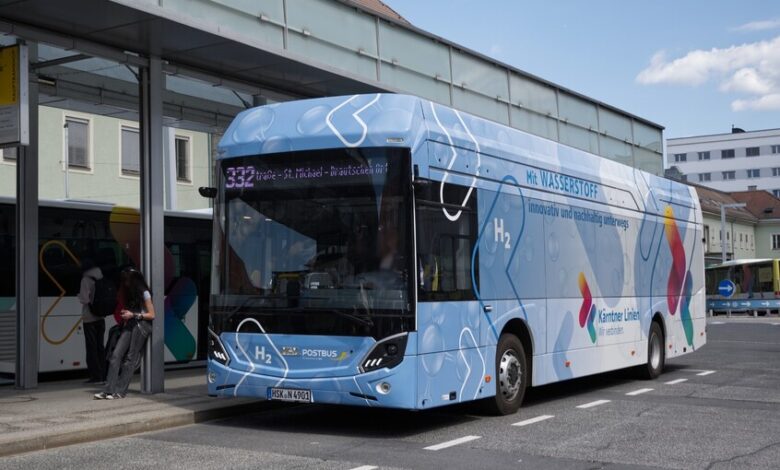
So, how do you bring a vision of zero-emission public transit all the way from the factories of Egypt to the picturesque Alpine valleys of Austria? Simple—by shipping 35 hydrogen-powered buses across continents! This month, an Egyptian bus manufacturer rolled out what’s probably Austria’s biggest hydrogen fleet to date: 35 MCV C127 FC LE intercity coaches. Each one is decked out with Ballard Power Systems fuel cell modules from Canada and rooftop storage systems provided by Norwegian company Hexagon Purus. These cutting-edge rides will be operated by ÖBB Postbus under the DeCarB initiative in Carinthia, which aims to tackle those tricky regional routes that battery-only buses might find tough to handle.
The buses are set to run scheduled services connecting Villach to the scenic Lower Drau, Lake Faak, and Lake Ossiach valleys, putting their fuel cell reliability to the test on the steep and winding terrain.
Unlike smaller pilot programs that we’ve seen before, this deployment features 35 buses built in MCV’s Egyptian facility, boasting a significant share of local content. Each bus integrates a robust 100 kW Ballard FCmove-HD+ proton exchange membrane fuel cell system, a 117 kWh traction battery, and up to 40 kilograms of hydrogen stored in roof-mounted Type IV composite cylinders. Operators are eyeing ranges of up to 400 kilometers per refuel, with turnaround times that are quick enough to rival diesel. On the business side, multi-year supply agreements are solidifying this operation, with Ballard supplying the fuel cell engines while Hexagon Purus provides the high-pressure tanks—a collaboration that spans three continents.
Founded in the mid-90s to represent Mercedes-Benz in Egypt’s commercial vehicle scene, MCV has blossomed into a major regional manufacturer and exporter of buses. Over the last ten years, the company has heavily invested in both clean hydrogen news and battery-electric platforms, aiming to break into Europe’s zero-emission transit market. This landmark contract in Carinthia represents MCV's first large-scale entry into the EU hydrogen bus market. It really highlights how Egypt is evolving in terms of designing and delivering advanced energy solutions.
Meanwhile, Ballard Power Systems, headquartered in Vancouver, has carved out a niche supplying proton exchange membrane fuel cell technology worldwide. They’ve finalized an agreement with MCV for 50 FCmove-HD+ engines—totaling about 5 MW of power—with the first 35 earmarked for this Austrian project. Ballard’s modules create electricity by combining compressed hydrogen with ambient air, with water vapor and heat as the only byproducts. This setup promises dependable performance on those challenging mountainous intercity routes, where long-range travel and quick refueling can really make a difference compared to battery-electric options.
On the Norwegian front, Hexagon Purus just landed its first order from MCV for next-gen hydrogen storage systems worth around €2.4 million. These tanks, manufactured in Germany, can store hydrogen at a whopping 350 bar. They’re smartly designed, balancing strength and weight through polymer liners wrapped in carbon fiber. When it comes to depot refueling, high-pressure dispensers can fill up these cylinders in a flash, making the process as quick as traditional diesel fueling. The collaboration between a non-EU vehicle manufacturer and a European supplier underscores how hydrogen storage experts are teaming up across borders to ramp up fleet operations and streamline supply chains.
Behind the Tech
So, what makes a hydrogen bus tick? At the heart of it all is a proton exchange membrane system. Compressed hydrogen from those rooftop tanks mixes with oxygen in a fuel cell stack, creating an electrochemical reaction that produces electricity. This energy drives an electric motor and charges a battery that captures energy during braking. In this case, the balance between a 100 kW fuel cell and a 117 kWh battery offers flexibility across various terrains, while around 40 kg of hydrogen can translate into that impressive 400 km range. Compared to battery-only designs, this system slightly trades efficiency for faster refueling and longer reach—an essential advantage when navigating rural or mountainous areas.
From Egypt to the Alps
The State of Carinthia has launched its DeCarB strategy to decarbonize regional bus transport and align with EU climate goals. This whole project is a great example of how global partnerships can build new hydrogen supply chains. MCV manages the vehicle integration back in Egypt, sourcing fuel cell engines from Canada and high-pressure tanks from Germany. Once everything’s set, these buses will embark on a thousand-kilometer journey to Austria. The local transport authorities, the Carinthian Transport Association, logistics company Gutmann, and energy provider Kelag are all collaborating on the infrastructure to support this initiative. For Egypt, success here means diversifying its export portfolio into advanced zero-emission tech. For Carinthia, it’s a chance to see if a province with under 600,000 residents can reliably operate a fleet of hydrogen vehicles without having to completely overhaul its schedule or rebuild every roadside charger.
Charging Up the Infrastructure
To complement these buses, there’s a specially designed hydrogen refueling station at the Villach depot. This station compresses incoming hydrogen—sourced either via tube trailers or through on-site production—and stores it in buffer tanks before dispensing at up to 350 bar. Smart dispensers work hand-in-hand with vehicle valve systems to control pressure and temperature, ensuring safe fills in just minutes. This infrastructure is key, replicating diesel fueling patterns while showing how robust hydrogen infrastructure is vital to making fuel cell fleets both operational and economically viable for regular service.
Why It Matters
Driving through steep grades and winding valleys in Austria’s Alps really puts any propulsion system to the test. While battery-electric buses perform wonderfully in urban areas with lots of stops, they can hit a wall when it comes to charging on more spread-out routes. Enter hydrogen fuel cell buses, filling that gap by offering quick refueling and extended range, even if they come with a steeper upfront cost. The real-world climate benefits depend heavily on the carbon intensity of the hydrogen supplied—green production methods yield the best results, while gray hydrogen could undermine those emissions gains. Still, this fleet serves as a critical test bed for policymakers, operators, and suppliers to evaluate total cost of ownership and fine-tune procurement guidelines. Operators will be able to compare lifecycle costs and emissions against diesel and battery-electric options as data rolls in.
Looking Ahead
As the Carinthia buses start hitting the road, everyone will be keeping a close eye on metrics like reliability, fuel usage, and maintenance needs. The data gathered will flow back to OEMs and tech vendors, fuelling product evolution and cost savings. If this system proves commercially viable and operationally solid, it might just lay the groundwork for hydrogen corridors across Europe’s rural landscapes. In the meantime, MCV scores a valuable reference for future contracts, and Austrian authorities gain new insights to shape subsidies, safety standards, and hydrogen production strategies. On a larger scale, this cross-border effort raises an intriguing question: could provincial projects like DeCarB be the start of a continent-wide hydrogen highway?