MT Group to Deliver Lithuania’s First Green Hydrogen Transit Hub in Vilnius
MT Group secures €10M deal to build Lithuania’s first green hydrogen production hub in Vilnius, powering 16 zero-emission fuel cell buses by 2026.
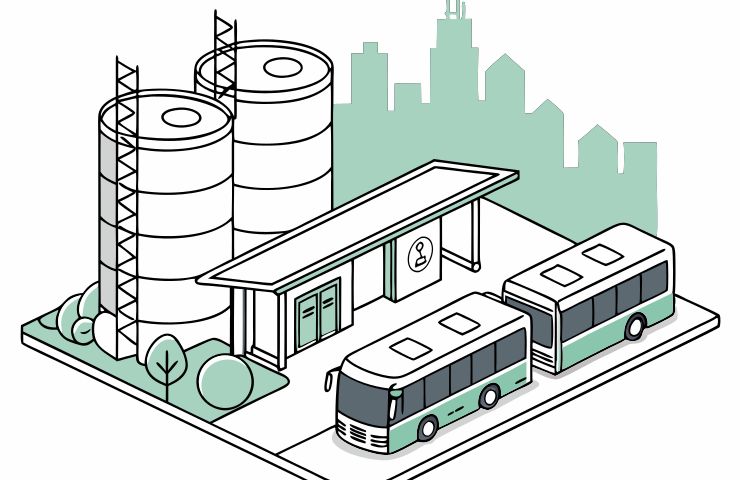
MT Group, a leading engineering and EPC firm out of Lithuania, just landed a €10 million deal to build something big — the country’s very first public transport hub powered by green hydrogen, right in the heart of Vilnius. This is more than a public transit project; it’s a bold move toward energy independence and cleaner city streets. At the center of it all? A 3-MW hydrogen production plant that’ll use electrolysis to produce clean fuel for a fleet of 16 zero-emission, fuel cell buses.
Hydrogen Hits the Streets of Vilnius
With strong backing from the Vilnius City Municipality and 70% of the funding coming from EU cohesion funds, the project breaks ground in 2025 and should go live by mid-2026. The centerpiece is a Proton Exchange Membrane (PEM) electrolyzer, which turns water and electricity into clean hydrogen that’s 99.999% pure. It’ll be compressed to 30–50 bar and pumped into those futuristic buses, giving them a range of over 400 km on a single tank.
The numbers are eye-catching. Once up and running, the plant will slash CO₂ emissions by 1,414 tons per year and replace 1,200 tons of diesel annually. It’s a serious clean-up job—not just for air quality, but for the way the city approaches energy and mobility. This isn’t just about ditching diesel—it’s about raising the bar for public infrastructure altogether.
A Strategic Leap: Clean Transit with a Side of Sovereignty
Right now, transportation is behind nearly 40% of Lithuania’s total CO₂ emissions, which makes projects like this one more than just “feel-good” environmental wins. They’re part of a much broader game plan. The project ties in with Lithuania’s National Hydrogen Strategy, introduced in 2023, which includes a hefty €240 million investment to kickstart sustainable energy solutions like this.
Vilnius wants to be the first city in Central Europe to fully power its public transport system with renewable hydrogen. That mission fits right into the EU’s bigger vision: 40 GW of electrolyzer capacity by 2030 straight from the EU Hydrogen Strategy. And this isn’t just a local play. The hub will also lay the groundwork for a possible Baltic hydrogen corridor — connecting inland transit systems to key logistics locations like the Port of Klaipėda, where a new hydrogen refueling station is already in the pipeline for 2027.
City officials believe this could set off a domino effect, prompting other Eastern European cities to rethink their fleet purchases. Thanks to accessible EU green financing and cohesion funds, scaling these kinds of projects could soon be more affordable — and a lot more common.
Under the Hood: Tech That Powers the Shift
At the heart of the facility is a PEM electrolyzer — a smart call for urban settings. It’s fast-reaction, scalable, and handles varying water quality well, which makes it ideal for a dynamic city like Vilnius. The clean electricity driving the system will come straight from Lithuania’s increasingly green power grid, which reached 34% renewable electricity in 2023, thanks mostly to strong onshore wind.
Meanwhile, the fuel cell buses will run on compressed hydrogen. Rather than burning fuel, they’ll create an electrochemical reaction to generate power, releasing nothing but water vapor. Add to that a quieter ride, and it’s easy to see why these buses are a great fit for dense city traffic and noise-sensitive urban routes.
MT Group Takes Center Stage
MT Group is no stranger to engineering, but this project marks a new chapter. Since 2008, the company’s been shifting away from fossil-based EPC projects, and this hydrogen hub is their biggest leap yet into the renewable arena. Handling the full stack — from design and construction to integration and fueling infrastructure — MT Group is making a clear statement: they're here to lead the charge in hydrogen infrastructure across the region.
Challenges Along the Way
Of course, any game-changing tech comes with its fair share of bumps. Hydrogen, while clean, is volatile — so safety is a top priority. Special care will be needed for storage systems, fueling stations, and staff operations. Updating garages and maintenance routines won’t be cheap either, especially for municipal systems just starting to wrap their heads around fuel cell technology.
That said, with the lion’s share of funding coming from EU coffers, the financial burden is a lot lighter. Plus, if Vilnius can pull this off, it sets an example for other mid-sized cities all over Europe. The potential for copy-and-paste success stories is huge.
Looking Forward: A Roadmap for the Region
Since 2022 and the energy shocks that followed the invasion of Ukraine — which had provided 40% of Lithuania’s natural gas — the country has been moving fast to secure a more independent energy future. In that context, green hydrogen isn’t just good for the planet. It’s good for national security.
Now, with the EU heavily investing in hydrogen corridors, port conversions, and backbone infrastructure, Vilnius isn’t just playing catch-up — it’s stepping into a leadership role. With strong policy backing, serious funding, and the technical chops to pull it off, this project could change how fuel cell technology and sustainable energy roll out across the Baltics for years to come.