Navantia Seanergies Director Elected to Lead Spain’s SHYNE Renewable Hydrogen Consortium
Navantia Seanergies’ director Javier Herrador takes the helm of SHYNE at Exolum’s H2 Torrejón pilot plant, marking a shift to industrial execution in Spain’s drive for renewable hydrogen deployment and coordination across energy, manufacturing and logistics sectors.
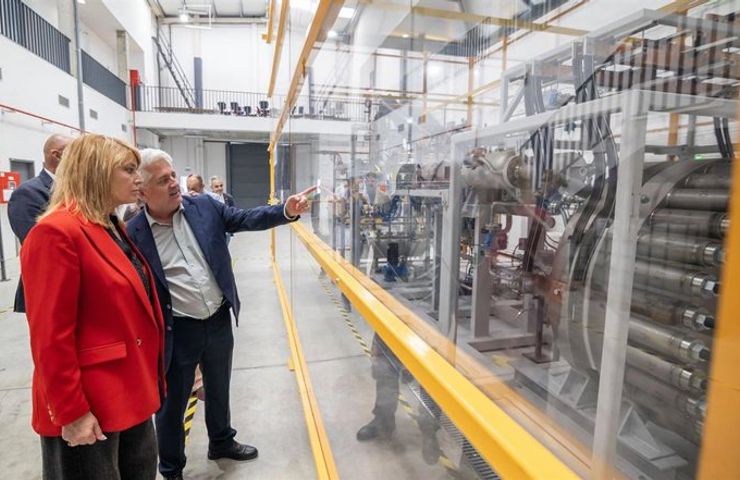
In a major leap for Spain’s green hydrogen scene, Javier Herrador, who leads Navantia Seanergies, has just been named the new president of the Spanish Hydrogen Network, or SHYNE for short. The announcement happened at the Exolum H2 Torrejón pilot plant, a pivotal site that showcases green hydrogen production aimed squarely at mobility applications. With a heavyweight like Herrador at the helm, SHYNE is clearly ready to pivot into a new era for Spain’s renewable hydrogen ambitions.
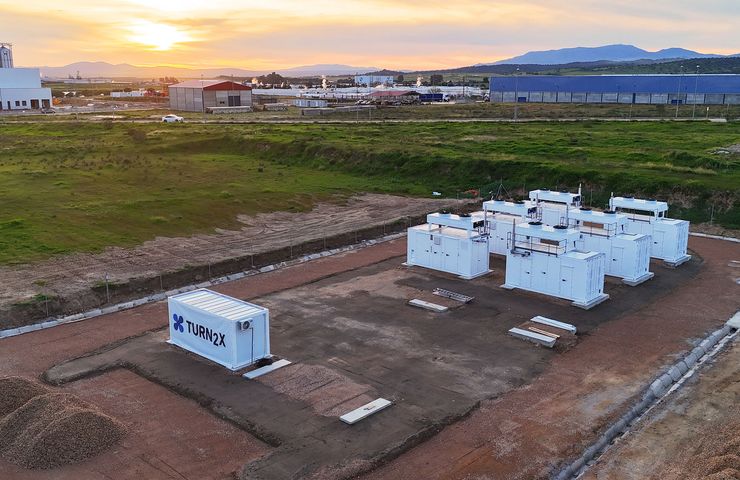
Choosing the Exolum H2 Torrejón for this big transition wasn’t random at all. Nestled in the logistics belt of Madrid, this pilot plant is utilizing a modular HEVO–SOLAR system, which is among Spain’s first major projects to demonstrate a blend of concentrated solar technology with water electrolysis. This approach not only avoids grid limitations but also highlights a down-to-earth strategy for ramping up green hydrogen production for things like fuel cell buses and light commercial vehicles.
Could industrial muscle supercharge Spain’s green hydrogen goals?
Spain’s Hydrogen Roadmap has ambitious targets, aiming for 4 GW of electrolyzers by 2030. On top of that, the PERTE ERHA scheme has promised over 3.5 billion euros to support renewable hydrogen and its storage. With plans to link local hydrogen valleys—from the Basque Country to Catalonia and Murcia—with innovation hubs in Madrid and Castilla-La Mancha, SHYNE is gathering around 30 companies spanning energy, transport, and heavy industry. The synergy between public funds and private investment is crucial as they shift from plans on paper to tangible supply chains.
SHYNE has already celebrated some early wins, like securing offtake agreements with industry partners and tapping into European corridors such as H2Med. This initiative aims to connect Iberia's renewable hydrogen supply with markets in France and Central Europe. Their projects get substantial backing from ministries under Spain's Ministerio para la Transición Ecológica, helping them navigate public-private partnerships and streamline environmental approvals.
Shifting into high gear
Under Javier Herrador's leadership at Navantia Seanergies, there’s been a significant upgrade of shipyards like Fene in Galicia, prepping them for the large-scale production of floating wind foundations and other green tech. Plus, with additional yards in Puerto Real and Cartagena, they’re creating a hub that combines naval engineering with electrolysis module assembly. Herrador's extensive experience in offshore wind is an asset, directly supporting SHYNE's need for industrial resources to facilitate the widespread use of renewable hydrogen.
Navantia Seanergies is pumping over 50 million euros into upgrades at the Fene shipyard through 2030, positioning itself as a frontrunner in constructing offshore foundations for emerging hydrogen export terminals. Their Green Energy Center of Excellence is encouraging open innovation, inviting startups and research centers to collaborate on everything from electrolyzer skids to marine-based storage tanks. This integration suggests a future where wind, solar, and hydrogen systems work together seamlessly offshore.
Herrador is succeeding Tomás Malango, who steps into the honorary president role, while Maribel Rodríguez, Repsol’s newly minted hydrogen director, takes on the vice president position. This fresh leadership lineup keeps Repsol at the forefront, maintaining their commitment to a net-zero strategy by 2050 while diversifying governance across manufacturing and logistics partners.
Bringing together key players and innovative technologies
- Navantia Seanergies: An industrial titan specializing in offshore wind and hydrogen infrastructure from upgraded shipyards.
- Repsol: Spain’s integrated energy company leading the charge on renewable fuels and low-carbon technologies, solidifying SHYNE’s project pipeline.
- Exolum: A logistics and storage pro, home to the Exolum H2 Torrejón facility, which uses HEVO–SOLAR units to merge concentrated solar power with on-site electrolysis.
- Regional Hydrogen Valleys: Clusters within major industrial zones designed for integrated hydrogen production, storage, and distribution networks.
- Innovation Hubs: Resources set to emerge in Madrid and Castilla-La Mancha aimed at boosting R&D in electrolysis and other critical technologies.
- Transport Operators: Rail, bus, and ferry services lined up to roll out hydrogen vehicles and fueling stations in essential corridors.
Repsol's hydrogen game plan includes revamping existing pipelines and industrial sites while establishing new electrolysis hubs at its refineries. With Maribel Rodríguez as vice president of SHYNE, the company is making sure its tech and business skills play a significant role in shaping the projects ahead. Meanwhile, logistics companies like Exolum are optimizing their storage facilities to serve as regional distribution hubs, cutting down on transport delays.
At the center of the Exolum H2 Torrejón facility are 21 compact modules that harness sunlight for electrolysis, producing hydrogen that’s then stored on-site for easy delivery to customers nearby. This modular setup lessens reliance on the grid and sets a framework for scaling green hydrogen production along logistics nodes and highways.
Scaling up for mass adoption
SHYNE envisions a coexistence of various electrolysis technologies: alkaline systems for bulk hydrogen, proton exchange membrane (PEM) stacks for high-purity needs, and solid oxide electrolysis cells (SOEC) for industrial heat integration. Making these systems work requires developing supply chains for key components like membranes, catalysts, and power electronics. Additionally, the consortium is investing in training programs to ensure a skilled workforce for installation and maintenance.
Real-world benefits and economic impact
SHYNE’s projects add up to about 3.23 billion euros in investments, reaching at least ten autonomous communities. They’re predicting over 13,000 new jobs in engineering, manufacturing, and clean energy sectors. Here’s what’s at stake:
- Decarbonization: Cutting down grey hydrogen use in refineries and steel plants with zero-carbon options.
- Economic Growth: Attracting funds to local economies, nourishing regional supply chains.
- Job Creation: New opportunities in shipyard upgrades, electrolyzer assembly, and setting up fueling stations.
- Technological Leadership: Showcasing systems from HEVO–SOLAR modules to floating wind-hydrogen integration, positioning Spain on the world stage.
By replacing around 650,000 tonnes of grey hydrogen consumed every year, these initiatives could slash more than two million tonnes of CO2 annually, in line with Spain’s climate goals. Cleaner hydrogen also opens doors for low-carbon chemicals and synthetic fuels, further diversifying the energy mix and decreasing reliance on imported natural gas.
Balancing policy and public scrutiny
Despite the promise, ramping up hydrogen infrastructure has raised some eyebrows. Environmental advocates warn that new pipeline routes and renewable projects need careful assessments to avoid overwhelm and land-use clashes. SHYNE members are committed to aligning with national protocols and conducting extensive impact studies to balance swift development with community approval.
SHYNE's governance model is built to adapt as policies change. With new EU regulations on hydrogen certification and carbon accounting potentially on the horizon, the consortium is creating a knowledge-sharing platform to harmonize lifecycle emission data. This proactive approach aims to keep member projects in line for future subsidies and ensure they meet upcoming sustainability benchmarks.
Looking forward: Connecting power and hydrogen
With hydrogen corridors like H2Med on the way, Spain could become a key hub linking the Atlantic and Mediterranean energy grids. The offshore wind platforms from Navantia Seanergies might provide dedicated renewable power to coastal electrolyzers, paving the way for seasonal hydrogen storage and export opportunities to France and beyond.
They’re also laying the groundwork for at least 50 hydrogen refueling stations across crucial routes to support bus fleets and heavy-duty vehicles on dedicated green paths. On the industrial front, data centers are eyeing hydrogen backup systems as a cleaner alternative to diesel generators. These hybrid setups could offer uninterrupted energy during grid outages or peak solar periods—without the carbon footprint.
As SHYNE embarks on this next chapter, its ability to bring together resources across various sectors will be put to the test. Investors will be keeping a close eye to see if the diverse governance—from energy giants to logistics firms—can speed up project financing, fortify supply chains, and achieve those ambitious decarbonization targets.
Transitioning from theory to action, SHYNE is mapping out a future filled with operational hubs, refueling stations, and integrated storage networks. By blending industrial strength with renewable energy ingenuity, Spain's largest hydrogen consortium is paving the way for a cleaner future where hydrogen fuels not only industry and transport but also the data centers of tomorrow. The burning question now isn’t whether Spain will hit its hydrogen goals, but how quickly and effectively they can roll out the necessary infrastructure—pipelines, storage, and all the hydrogen vehicles that go with it.