Nawon-ri 9.13 MW Hydrogen Fuel Cell Facility Strengthens Gyeongju’s Hydrogen Infrastructure
Gyeongju’s Nawon-ri 9.13 MW hydrogen fuel cell plant has broken ground, marking a KRW 30 billion investment by Seorabeol City Gas to expand distributed hydrogen infrastructure.
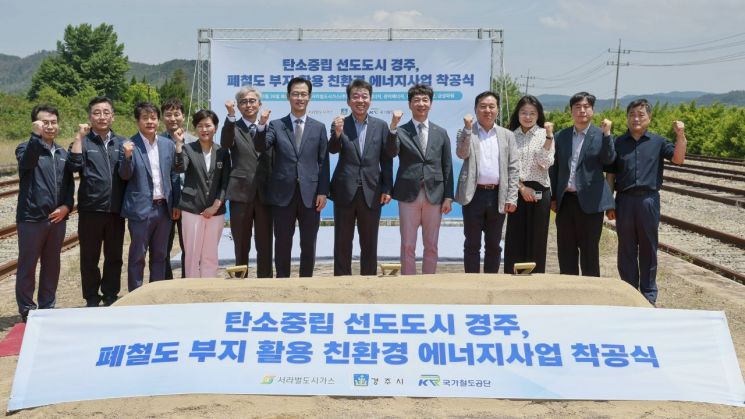
Exciting news out of Gyeongju City: they've just kicked off construction on the Nawon-ri hydrogen fuel cell power plant, a project that’s all about harnessing clean energy. This 9.13 MW-class facility, spearheaded by Seorabeol City Gas, represents an investment of KRW 30 billion and aims to deliver reliable grid power using hydrogen sourced from city-gas streams. This initiative is a significant stride toward South Korea’s ambitious goal of boosting hydrogen infrastructure at the community level.
- Seorabeol City Gas is at the helm for both developing and operating the plant long-term.
- It’ll feature 9.13 MW of hydrogen fuel cell capacity that feeds into local distribution lines.
- The KRW 30 billion investment is set to energize regional construction and engineering sectors.
- Hydrogen will primarily come from natural-gas reforming and various by-product streams.
- This project aligns with Gyeongju’s broader ambition to host both large and mid-scale fuel cell plants.
- It’s right in line with Korea’s Renewable Portfolio Standard and hydrogen economy roadmap.
- Its success could serve as a blueprint for distributed energy projects across the nation.
Local Hydrogen Strategy Takes Shape
Once known as South Korea’s “museum without walls,” Gyeongju is now evolving into a clean-energy hotspot. With big plans for 100 MW-class fuel cell complexes coming down the line, the Nawon-ri plant offers a more manageable size that fits zoning requirements while also reducing land-use challenges. By opting for a 9.13 MW facility, city officials are working to ensure a steady power supply close to where it's needed, all without the footprint of a traditional power station.
This spring, you could see drills and cranes at the site, bringing local contractors and workers on board. But it’s not just about construction—this project will also need skilled technicians for fuel cell maintenance and hydrogen handling. Seorabeol City Gas is teaming up with technology providers like Doosan Fuel Cell to build a pipeline of talent that could support future hydrogen production and storage efforts in Gyeongju.
Technical Profile of a 9.13 MW-class Plant
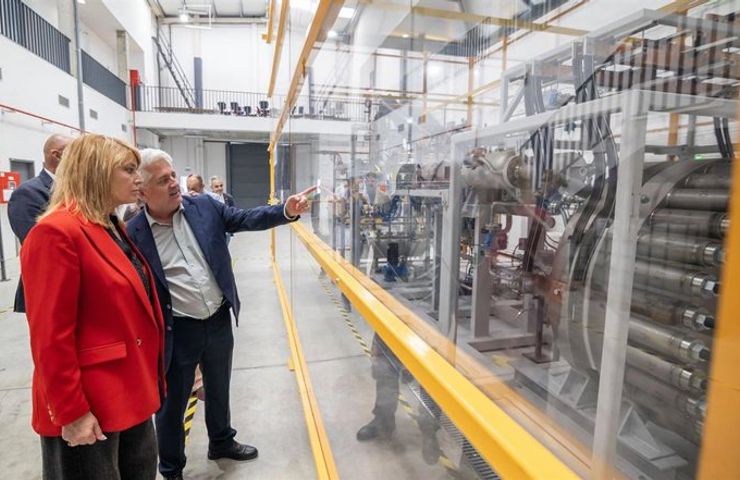
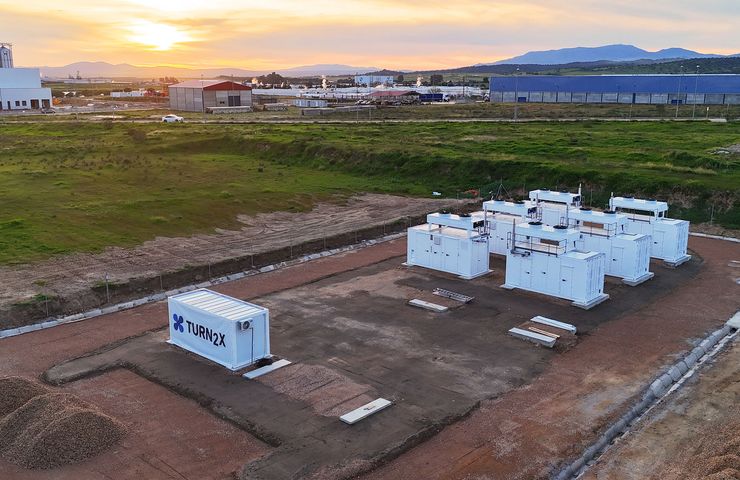
So, how do hydrogen fuel cells work? Essentially, they convert hydrogen into electricity through electrochemical reactions. The cool part? They often achieve electrical efficiencies over 50%, and the only thing they emit is water vapor. The Nawon-ri design pulls together multiple fuel cell modules, each in its own skid unit, to create that combined output of 9.13 MW. The facility also includes balance-of-plant systems that manage everything from hydrogen delivery to cooling loops, ensuring it operates smoothly as a reliable energy source.
At Nawon-ri, hydrogen will initially be produced by reforming city gas and tapping into by-product streams. This method provides a practical feedstock as we await the wider availability of green hydrogen from electrolysis. It’s a clever approach that fits right into the early stages of South Korea’s hydrogen roadmap: use existing gas infrastructure to ramp up fuel cell deployment now, while gradually incorporating low-carbon hydrogen as electrolyzer capacity grows.
Financing & Partnerships
The KRW 30 billion investment comes from a mix of Seorabeol City Gas equity, local bank loans, and government incentives that support Korea’s Renewable Portfolio Standard. This financial structure is key, as long-term contracts with the local distribution utility help secure stable revenue. Plus, they’ll earn capacity credits for running high-efficiency, low-emission generation, which boosts the project's financial performance.
Seorabeol City Gas holds exclusive retail rights to city gas in North Gyeongsang Province, making them perfectly positioned to merge gas supply with fuel cell operations. On the tech side, Doosan Fuel Cell is slated to provide the essential technology, covering everything from module delivery to ongoing maintenance. This model of public-private partnership is shaping up to be the go-to strategy for mid-scale hydrogen infrastructure ventures.
Policy & Grid Integration
Stationary fuel cells have had a leg up since 2012 under Korea’s Renewable Portfolio Standard, attracting favorable low-emission credits. This has really driven capacity growth in urban spots where space is tight but the need for consistent electricity is high. The Nawon-ri plant fits right into this national strategy by adding distributed energy sources near consumption areas.
Grid operators in North Gyeongsang Province are working hard to coordinate studies on how to connect these new plants without causing issues with voltage stability or fault management. By proving that it can integrate smoothly at 9.13 MW, Nawon-ri will help set standards for important technical aspects like protective settings and active-power support—insights that will be valuable for scaling up similar projects across Gyeongju and beyond.
Community and Environmental Implications
When you stack hydrogen fuel cell plants against traditional combustion generators, the benefits are clear: hydrogen plants produce almost no local pollutants, such as NOx or particulates, which means cleaner air for the community. As cities like Gyeongju navigate challenges like aging populations and industrial changes, these low-impact power solutions can enhance quality of life without needing large land areas.
Now, on the environmental side, the carbon footprint of Nawon-ri will hinge on its hydrogen feedstock. While natural-gas reforming does pump out CO₂ upfront, the plant is designed for future adaptability to use green hydrogen once renewable electrolysis capacity ramps up. This flexibility is a major feature of Korea’s phased hydrogen approach, allowing for immediate benefits while keeping long-term decarbonization goals in sight.
Looking Ahead
As construction moves towards commissioning, the Nawon-ri plant is set to be a benchmark for similar distributed energy initiatives all over South Korea. If it succeeds, it could pave the way for more projects in other city gas areas and kickstart private investment in hydrogen infrastructure. For Gyeongju, this represents a solid step toward crafting a more diversified energy economy—preserving its rich history while powering a zero-emission future.