BASF and Plug Power Sharpen Focus on Hydrogen Purification Tech
BASF teams up with Plug Power to deploy next-gen hydrogen purification catalysts, aiming to eliminate fuel cell impurities with fewer precious metals — and boost the backbone of clean hydrogen supply.
Punching Up Hydrogen Purification
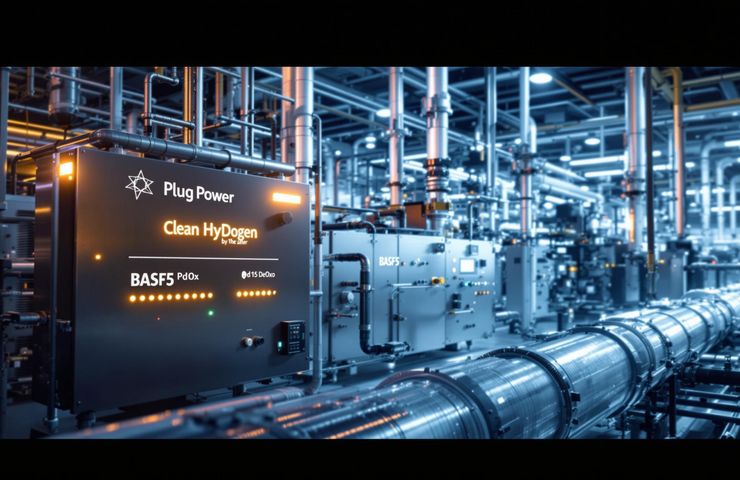
BASF — the German powerhouse in the chemical world — is no stranger to catalysts, but their latest play in hydrogen purification shows they're not just riding the clean energy train — they're grabbing the wheel. With their Purivate™ Pd15 DeOxo catalyst now being integrated into Plug Power’s green hydrogen production process, this partnership isn’t just for show. It’s a bold step toward reshaping how we prep green hydrogen for real-world use — especially in fuel cell technology. And notably? It does all this while cutting back on pricey materials like palladium.
What It Means
Turns out, making hydrogen isn’t the whole story — it’s what you do with it after electrolysis that really matters. Even tiny traces of oxygen or carbon monoxide can mess up fuel cells big time. That’s where BASF’s Purivate™ catalyst shines — it scrubs those impurities with serious precision and uses far less palladium than older tech. For Plug Power, which is churning out green hydrogen at plants all over the U.S., that means fewer purification headaches and potentially lower capital costs.
Why This Matters
Let’s break it down: cost, consistency, and scale are the biggest hurdles standing in the way of a full-on hydrogen economy. This tech goes hard at all three. Using less palladium brings down exposure to unstable metals markets, and better accuracy during purification means fewer steps in the process — and fewer dollars spent. Bottom line? BASF and Plug Power aren’t just improving a part — they’re rebuilding the backbone of the zero-emission technology supply chain.
Strategic Angle
This isn’t a side hustle for BASF. Advanced hydrogen purification is becoming central to their long-game industrial strategy — especially when it comes to scaling up enabling tech like catalysts and adsorbents. For Plug Power, it’s about leveling up their player status in the clean energy space. With this move, they can offer OEMs and utilities the high-purity hydrogen they need, right from the source. The goal? Build a more connected, cost-efficient pipeline — from the electrolyzer to the fuel cell — with fewer hands in the mix and fewer dollars lost along the way.
Tech Snapshot: Purivate™ Catalyst
The real magic of the Purivate™ Pd15 DeOxo catalyst is its ability to clean out the oxygen and carbon monoxide without chewing through buckets of palladium. CO levels even slightly above the mark can wreck PEM fuel cells, so that selectivity really matters. And with improved thermal and chemical durability, this system doesn’t need to be swapped out as often — meaning less downtime and more productivity for operators.
Some Context: Who’s Who
BASF, based in Ludwigshafen, has a legacy of industrial breakthroughs and is now all-in on helping Europe meet its clean energy goals. They’re rolling out solutions for everything from carbon capture to fuel synthesis, and hydrogen purification sits right at the center of it. Plug Power, meanwhile, is one of the most aggressive names in the U.S. hydrogen race — building entire ecosystems to take hydrogen from production all the way to on-site deployment.
The Maverick Take
Let’s be real: there’s been no shortage of buzz around hydrogen, with plenty of bold claims floating around. But this move? It’s not pie-in-the-sky — it’s practical and necessary. You simply can’t run a clean energy future on dirty hydrogen. BASF is taking a hard look at the overlooked corners of the system, and Plug Power knows that getting those right is the key to breaking bottlenecks and scaling up for genuine industrial decarbonization.
What’s Next?
If this approach scales the way they expect, we might see a shift toward more modular, streamlined hydrogen stations and greater adoption of on-site hydrogen generation. That could push us another step closer to replacing diesel in everything from heavy transport to heating. The big question now? Can the rest of the market catch up before Plug Power and BASF lock down their lead?