News
BYD Enters Hydrogen Fuel Cell Market with Launch of Hydrogen-Powered Bus
BYD expands beyond battery-electric with a hydrogen-powered bus, marking its entry into the hydrogen fuel cell vehicle market. Faster refueling and long-range design target transit operators seeking zero-emission solutions. Infrastructure and policy will shape its success.
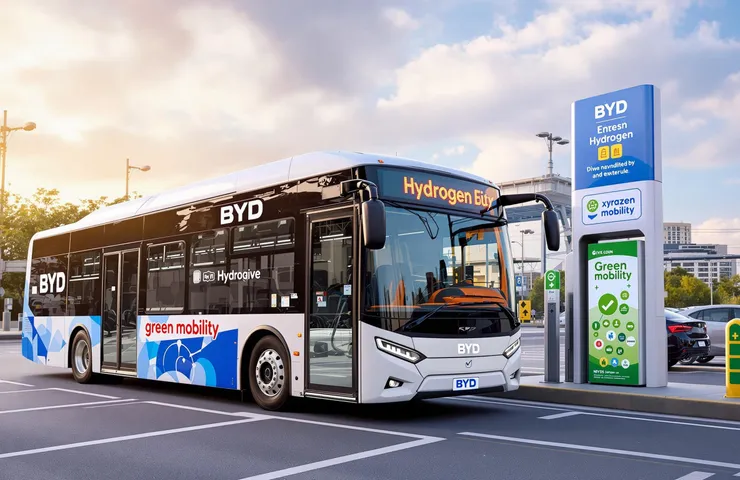
BYD Rolls Out Hydrogen-Powered Bus, Expands Zero-Emission Portfolio
BYD, China’s powerhouse in electric vehicles and battery tech, just made a bold move into the world of hydrogen. That's right—BYD has launched its first-ever hydrogen-powered bus, adding a new chapter to its clean mobility story. Known mostly for rocking the EV market with battery-electric vehicles, this pivot shows the company’s ready to embrace more than just batteries when it comes to zero-emission tech. Although BYD hasn’t pinned down an exact release date, the debut is fresh. What's more, it places BYD among a growing club of giants pushing hydrogen fuel cells into real-world transit.Key Takeaways
- BYD steps beyond batteries with a new fuel cell bus designed for tough, high-traffic routes
- Hydrogen offers better range and quicker refueling than traditional battery-electric models—perfect for intercity and frequent runs
- Signals growing industry support for fuel cell technology as hydrogen infrastructure ramps up
- Could spark greater demand for green hydrogen, especially in urban transit systems
Diving Into the Tech: What Powers the Bus
At the heart of BYD’s new bus is a next-gen hydrogen fuel cell system—a clean tech setup that’s been gaining traction wherever long range, quick turnarounds, and heavy-duty performance are needed. The science is clever but clean: hydrogen meets oxygen in a fuel cell, sparking an electrochemical reaction that generates electricity. The only thing the bus leaves behind? Pure water vapor. Compare that to battery-electric buses, which need hours to juice up—this hydrogen model can refuel in under 15 minutes. That’s a potential game-changer for fleet managers who hate letting their vehicles sit idle.Why This Move Makes Business Sense
This isn’t just about tech innovation—it’s a smart play. BYD’s foray into hydrogen helps the company:- Broaden its zero-emissions lineup to better cater to cities with different transport needs
- Stay competitive in public contracts that call for multiple clean-energy options
- Diversify beyond lithium-ion batteries, which are feeling the pressure of global supply chain bottlenecks
Bigger Picture: What This Means for the Hydrogen Ecosystem
So what’s the ripple effect? BYD jumping in gives a serious credibility boost to the whole sustainable energy scene. Cities and governments trying to cut emissions are already backing hydrogen transport pilots and building out fueling stations. BYD’s entry could help:- Push more cities to invest in new hydrogen refueling stations
- Drive down costs by scaling up production of fuel cell components
- Create stronger demand for cleaner, and ideally green hydrogen
Peeking Into the Future
Sure, the road ahead has its bumps. Hydrogen buses won't take over unless there's enough infrastructure in place, fuel prices are competitive, and the buses prove reliable out in the real world. And then there’s policy—big shifts in regulation could push adoption faster. Still, BYD’s no rookie when it comes to scaling up. With its massive expertise in EVs, batteries, and even electronics, BYD may have the edge it needs to roll out hydrogen fuel cells at scale. If they can streamline hydrogen the way they did EVs, that could be a game-changer.Final Thoughts
This hydrogen bus might just be the beginning. If BYD plays its cards right, we could be seeing a wider lineup of fuel cell electric vehicles—think long-haul trucks, buses, maybe even trains. One thing’s for sure: hydrogen’s not just some far-off dream anymore. It’s starting to show up where it counts—on the streets.About the Company
Founded in 1995, BYD (Build Your Dreams) is based in Shenzhen, China, and leads the world in EV production by volume. The company operates through its BYD Auto and BYD Electronic divisions and collaborates with global giants like Toyota and Daimler AG to shape the future of clean, advanced mobility.How was this article?
Thanks for the feedback!