CPH2 Passes Site Test on Membrane-Free Electrolyser, Targets Hydrogen Upscaling in 2025
CPH2's MFE110 electrolyser passes real-world test in Northern Ireland, producing pure hydrogen without membranes. A real leap for decentralized and public-sector hydrogen deployment.
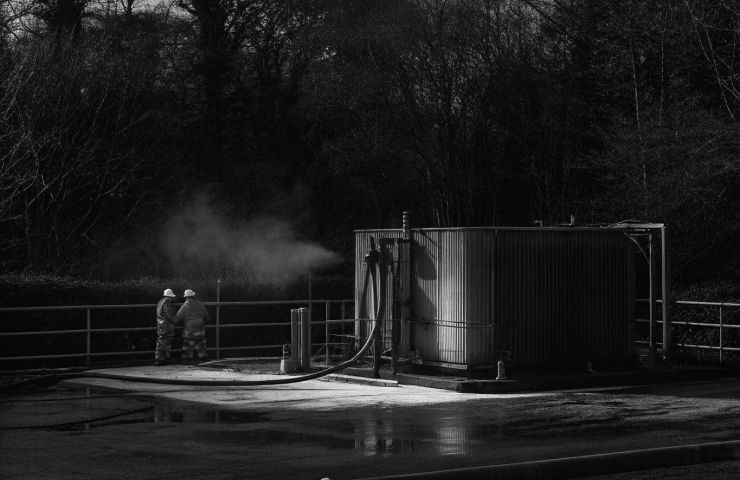
Hydrogen production just cleared a major milestone in Northern Ireland—and it did it without a single membrane. Clean Power Hydrogen (CPH2) has wrapped up the first commercial-scale Site Acceptance Test (SAT) for its MFE110 electrolyser at a live, working site operated by Northern Ireland Water. This isn’t some behind-the-scenes lab test—it’s up and running on real infrastructure, making real impact.
No Membranes, No Problem
The MFE110 isn’t just producing 99.999% pure hydrogen and 99.7% pure oxygen—it’s doing it without the membranes normally used in PEM or alkaline electrolysers. That’s a game-changer. This is membrane-free electrolysis (MFE), a next-gen approach designed to avoid the wear-and-tear issues that plague traditional systems. Less degradation, fewer headaches, and way more resilience—especially in commercial use.
Why This Matters
This isn’t a pilot project gathering dust in a test park. This is a functioning piece of hydrogen infrastructure rolled out by a public utility—which is a pretty big deal. Even more impressive? That same byproduct oxygen can be fed back into wastewater aeration systems, potentially slashing energy use by as much as 30%. That means lower costs and lower emissions from day one.
The Bigger Picture
This isn’t just about proving the tech works—it’s about taking the next step. With the MFE110 now successfully deployed, CPH2 is gearing up to launch the MFE220—a 1MW version—by late 2025. Factory testing is already on the books. And Northern Ireland Water isn’t slowing down either. They’re exploring hydrogen-powered fleet vehicles, more on-site production hubs, and a major rethink of how hydrogen fits into their broader decarbonization roadmap.
Team Effort
This tech rollout didn’t happen in a vacuum. Lagan MEICA took care of the integration and installation, while global engineering firm ARUP provided independent validation of the SAT. They’re also playing a critical role in shaping the safety guidelines for hydrogen use in public utility sites—a space that still lacks clear regulation in many parts of the world.
No More Waiting Game
Here’s the reality: most hydrogen production projects flame out somewhere between prototype and rollout. But CPH2 skipped straight past that stall point, plugging directly into public hydrogen infrastructure. While a lot of startups are still kicking tires, this move shows speed, scale, and real-world results—all the things green hydrogen desperately needs right now.
Don't Buy the Hype—Unless It Works
Let’s be real: “membrane-free” usually lives in the realm of academic theory. But CPH2, born out of the University of Nottingham back in 2012, just flipped the switch on that narrative. They’ve made the jump from research to revenue-producing tech. If they can keep delivering commercial performance—and do it without getting buried under funding pressure—they could pose serious competition to established PEM players.
Bringing It Home
Whether you’re focused on industrial decarbonization, pushing for public-sector hydrogen adoption, or keeping an eye on affordable, scalable on-site fuel generation, you’ll want to watch this closely. As the EU works toward its 2030 goals, this project might turn out to be a lot more than a promising local initiative—it could be the blueprint for the future of green hydrogen.