Doosan and KOWEPO Set Hydrogen Milestone with 90MW Zero-Emission Turbine Plan
Doosan Enerbility and KOWEPO are building a 90MW turbine that runs on 100% hydrogen—part of South Korea’s strategic push for clean energy innovation and export-oriented tech leadership.
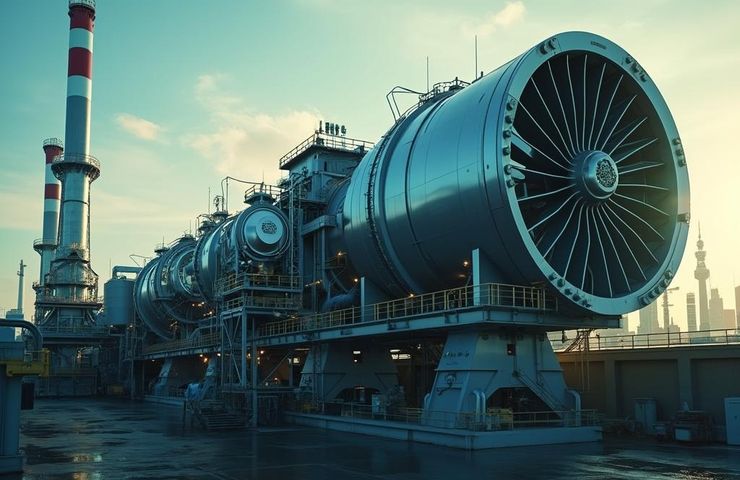
South Korea’s energy transition took a big leap forward this May, thanks to a new partnership between Doosan Enerbility and Korea Western Power (KOWEPO). The two companies signed an MOU to co-develop and test a groundbreaking hydrogen-powered turbine that runs on 100% hydrogen—a bold move aimed at slashing carbon emissions and strengthening Korea’s homegrown tech scene.
90 Megawatts of Pure Hydrogen Power
According to the sources, the centerpiece of this deal is a 90MW hydrogen turbine designed to operate without using a single drop of fossil fuel. Unlike conventional turbines or hybrid setups that still rely partly on natural gas, this engine is built to run solely on hydrogen. That means zero carbon emissions coming out of the combustion process—just clean water vapor. Doosan Enerbility is bringing its deep engineering chops to the table, while KOWEPO will handle the build and day-to-day operation of a demo site to show the tech can really go the distance.
And they’re not waiting around. The first results could be on the ground—and on the grid—as soon as next year. If the pilot goes well, these turbines won’t just power Korea—they could hit the global market as a scalable zero-emission technology.
Fueling Policy Goals with Industry Muscle
So, why now? Simple: the venture feeds directly into South Korea’s national hydrogen roadmap, which lays out ambitious goals for a cleaner, hydrogen-rich energy mix. By leveraging their individual strengths—Doosan’s industrial hardware and KOWEPO’s utility operations—they’re not just ticking policy boxes. They’re helping to future-proof Korea’s energy system and position hydrogen as a key player in industrial decarbonization.
Plus, the 90MW size isn’t random. It’s a sweet spot that meets common energy needs without over-engineering the solution, making it a practical and much-needed piece of the hydrogen puzzle.
Why This Is Happening in Changwon
The project will be based in Changwon, a dynamic industrial city on Korea’s southern coast. It’s home to Doosan’s heavy machinery complex and already serves as a major hub for engineering and tech innovation. Because South Korea imports the lion’s share of its fossil fuels, switching to hydrogen isn’t just about going green—it’s also about building hydrogen infrastructure that’s locally powered, secure, and ready to export.
More Than Emissions—Think Jobs and Exports
This isn’t just about cleaning up the air. The ripple effects could be huge for local businesses. Small and mid-sized manufacturers supplying everything from turbine parts and hydrogen pipes to high-tech sensors stand to benefit. The MOU lays the groundwork for including these companies in both domestic rollout and future export efforts, giving a major boost to the growing sustainable energy economy.
Ultimately, the goal is to build out a strong, homegrown supply chain that can serve global markets down the line. Nail it locally, then scale it up internationally—that’s the playbook.
Doosan’s Bigger Hydrogen Ambitions
And this 90MW turbine? It’s just the beginning. Doosan Enerbility is hard at work developing an even larger 400MW hydrogen turbine, both of which are expected to hit the market around 2028. It’s all part of Doosan’s strategy to shift gears from traditional fossil-based systems to cutting-edge solutions in green hydrogen, fuel cells, and next-gen energy platforms.
For KOWEPO, this is a chance to prove they’re ready for the future—meeting cleaner energy mandates from the government while staying ahead of the curve on operational standards for high-performance hydrogen systems.
But Let’s Not Sugarcoat It—There Are Hurdles
As promising as this sounds, it’s not exactly plug-and-play. These turbines need high-purity hydrogen and a reliable supply chain to run effectively—and that’s no small feat. Korea’s entire hydrogen production and delivery system will need to evolve in step. That means expanding capacity, upgrading safety systems, and syncing everything with the national grid.
Still, the wave of investment—from both public agencies and private giants—is helping build momentum. With the right focus, the technical challenges seem less like deal-breakers and more like milestones on the path to commercialization.
What’s Next? Eyes on 2026
The next couple of years will say a lot about where this is headed. The industry will be watching closely as pilot testing kicks off: how the turbine performs, when it goes online, and whether it stays on track. If all goes according to plan, Korea could flip the switch on its first fully hydrogen-powered turbine by 2026.
In a world where power generation accounts for nearly 40% of CO2 emissions, switching to 100% hydrogen could change the game. For South Korea, this isn’t just evolution—it’s a bold pivot toward a cleaner, smarter energy future.